Portland Oregon remains a magnet for travelers and residents drawn to its vibrant neighborhoods, outdoor access, and strong culture of small businesses. Whether planning a weekend visit or evaluating a move, here’s a practical guide to what makes the city unique and how to experience it like a local.
What to experience
– Food cart pods: Portable, creative, and affordable, food carts are a cornerstone of Portland’s dining scene. Pods cluster across neighborhoods, offering global flavors from wood-fired pizza to Southeast Asian street food. Try a few different carts and split dishes to sample more.
– Coffee and craft beer: Coffee shops line main streets and tucked-away alleys; specialty roasters emphasize single-origin beans and mindful brewing.
The craft beer scene is equally rich, with taprooms ranging from cozy to experimental, often highlighting local hops and seasonal releases.
– Independent bookstores and art: Powell’s Books remains an iconic stop for bibliophiles, while neighborhood bookstores, galleries, and record shops support a thriving indie arts ecosystem. Walkable districts like the Pearl, Alberta, and Mississippi avenues feature murals, boutiques, and rotating pop-ups.
– Parks and outdoor access: Urban parks are a major draw. Forest Park offers miles of trails under a dense canopy for running and hiking, while Washington Park hosts botanical gardens and cultural institutions. The Tom McCall Waterfront Park along the Willamette River is ideal for strolls, events, and river views.
– Neighborhoods with personality: Each pocket of the city has distinct character—historic brick in downtown, industrial-turned-chic in the Pearl, eclectic shops on Alberta, and family-friendly vibes in Southeast neighborhoods. Exploring by foot or bike reveals hidden cafés, community gardens, and neighborhood markets.
Getting around
Portland’s public transit includes light rail, buses, and streetcar lines that connect many neighborhoods and attractions. Bike-friendly infrastructure is extensive, with protected lanes, bike boulevards, and regional trails.
E-scooters and bike-share systems provide flexible short-trip options.
For longer riverfront walks, multiple crossing bridges offer memorable vantage points.
Practical tips
– Expect mild, wet winters and dry summers: Layering and a compact rain jacket or umbrella make sightseeing comfortable during gray days. Summers invite outdoor dining and extended evening light.
– Support local: Small, owner-operated shops and independent restaurants are a major part of Portland’s economy and character. Consider dining at lesser-known spots and buying from neighborhood vendors.
– Plan for events: Farmers markets, street fairs, and cultural festivals are frequent and often neighborhood-centered; checking local listings will help identify must-see happenings.
– Neighborhood navigation: Allow extra time when exploring multiple districts—traffic and construction can slow car travel, while transit and bike routes may be faster and often more scenic.
Sustainability and community
A strong culture of sustainability influences urban planning and business practices. Rain gardens, green roofs, and policies encouraging density near transit help manage stormwater and reduce vehicle miles traveled.
Community-led initiatives and neighborhood associations play active roles in shaping development, public space programming, and small-business support.
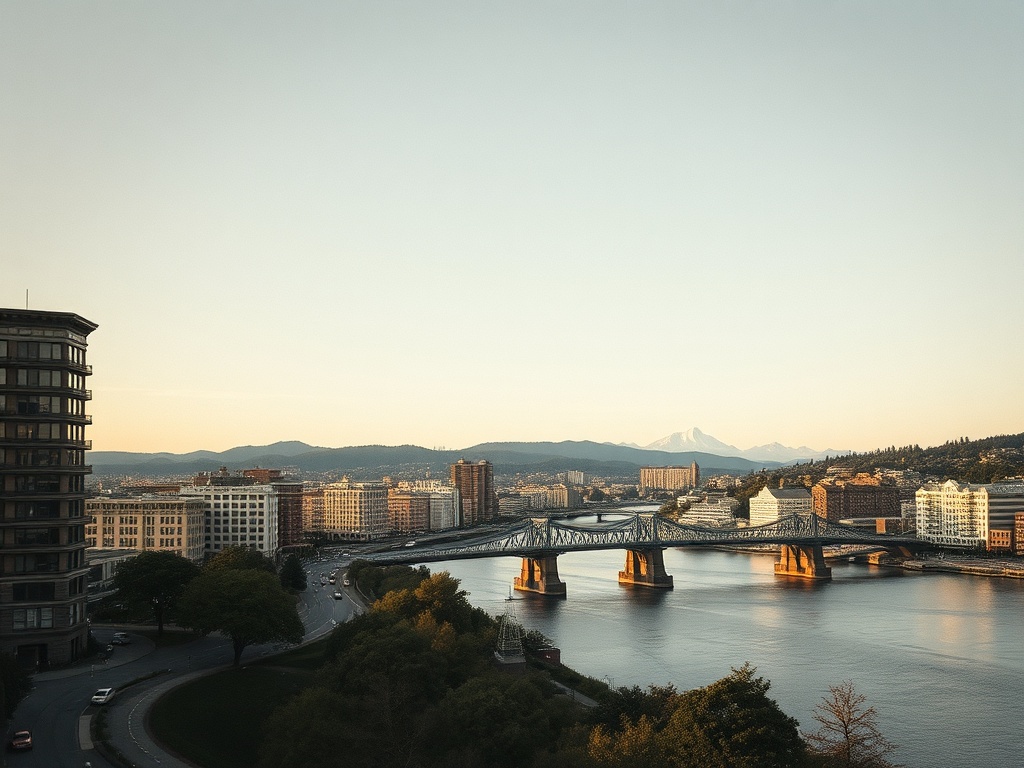
Portland’s appeal comes from this blend of urban creativity, access to nature, and local-first commerce.
Whether drawn to the culinary scene, outdoor trails, or independent culture, the city rewards curiosity and a willingness to explore beyond the main thoroughfares.
Leave a Reply