Portland’s approach to urban livability blends nature, transit, and small-business culture—making the city a model for sustainable, human-scale living. Whether you’re a resident or visiting, understanding what makes Portland tick helps you experience the city like a local and take part in its ongoing evolution.
Nature and public space
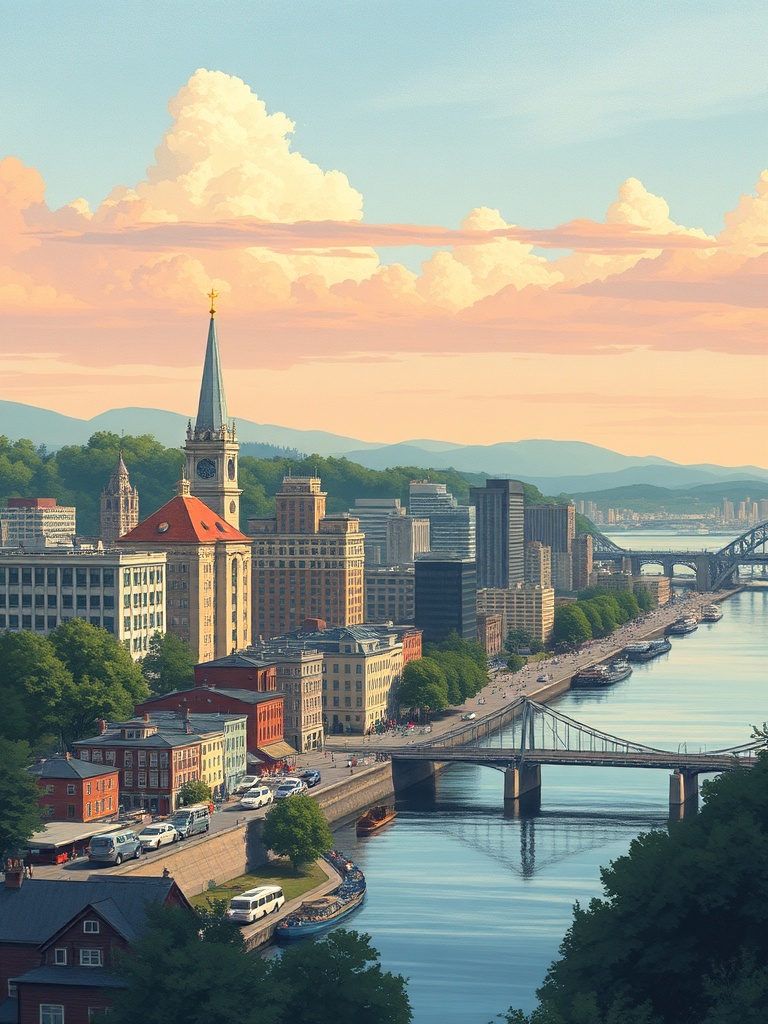
Portland’s parks and greenways are core to daily life. The Willamette River is a central spine, framed by waterfront paths, kayak launches, and pedestrian bridges that encourage active use of public space. Neighborhood parks and community gardens are common, supporting urban biodiversity and giving neighbors places to gather. Tree-lined streets and intentional urban canopy programs help cool the city and improve air quality, while pocket parks add green relief to denser corridors.
Mobility without a car
A strong focus on multimodal transportation keeps Portland accessible. An extensive network of bike lanes—protected where possible—makes cycling a practical option for commutes and errands.
Public transit options, from buses to light rail and streetcar lines, connect neighborhoods with downtown and regional destinations. For short trips, electric scooters and bike-share systems expand choices while reducing reliance on private vehicles.
Local economy and small businesses
Independent shops, a thriving restaurant scene, and a diverse network of food carts define Portland’s commercial character.
Walkable commercial strips are often anchored by a mix of longtime favorites and new ventures, creating a resilient local economy. Many businesses emphasize sustainability—locally sourced ingredients, low-waste operations, and ethical sourcing—which resonates with residents and visitors looking for meaningful experiences.
Food, coffee, and craft culture
Food carts remain a signature feature, offering everything from regional comfort foods to global flavors. Neighborhood coffee shops compete on quality and atmosphere, while craft breweries and distilleries showcase local ingredients and innovation. These businesses contribute to a strong sense of place and provide accessible ways to explore the city’s culinary identity.
Design and development priorities
Portland’s planning strategies emphasize density done thoughtfully: mixed-use buildings, transit-oriented development, and efforts to preserve affordable housing amid growth.
Community-driven design processes and neighborhood associations play active roles in shaping new projects. Green building practices—rainwater management, energy efficiency, and use of durable materials—are part of the development conversation, aiming to balance growth with environmental stewardship.
Outdoor recreation and active living
Access to trails, rivers, and nearby natural areas supports an active lifestyle. Running, cycling, paddle sports, and urban hikes are popular ways to take advantage of Portland’s varied terrain. Public investments in trail connections and riverfront access make it easy to incorporate exercise into daily routines without traveling far.
How to experience Portland like a local
– Walk or bike between neighborhoods to discover independent shops and hidden murals.
– Hit a food cart pod for variety and community atmosphere.
– Use transit for longer trips; New mobility options make first- and last-mile connections simple.
– Explore green spaces at off-peak hours for quiet reflection or weekend activity.
– Support small businesses by choosing locally owned cafes, makers, and markets.
Portland’s strengths come from a layered approach: prioritizing active transportation, preserving green space, fostering small businesses, and designing neighborhoods for people rather than cars. These principles create a livable city that’s adaptable to changing needs, inviting both residents and visitors to participate in a healthier, more connected urban life.
Leave a Reply