The Pacific Northwest remains a region of striking contrasts: temperate rainforests and dry eastern basins, rugged coasts and volcanic peaks, vibrant cities and quiet tribal lands. That diversity shapes how people live, work, and plan for a future defined by changing climate patterns, population growth, and renewed attention to Indigenous stewardship.
Climate and ecosystems
The Pacific Northwest’s climate is shifting: winters are wetter in some areas and drier in others, snowpacks are less reliable at lower elevations, and coastal waters are warming and acidifying. These changes affect iconic species—salmon, orcas, and old-growth trees—while altering wildfire behavior and the timing of spring blooms. Sea level rise and increased storm surge risk are reshaping coastal communities and estuaries, where habitat for migrating birds and juvenile fish is especially vulnerable.
Restoration and Indigenous leadership
Restoration efforts are becoming more holistic, blending science with Traditional Ecological Knowledge. Indigenous tribes across the region are leading projects that reconnect rivers, restore tidal marshes, and reintroduce culturally important species. Collaborative approaches—tribal, local, federal, and nonprofit—are delivering measurable benefits for fish passage, habitat complexity, and community resilience.
Wildfire and forest management
Wildfire seasons are more intense and unpredictable. Managers are leaning into a mix of strategies: prescribed burns, mechanical thinning, and targeted beetle management, paired with community-wide preparedness.
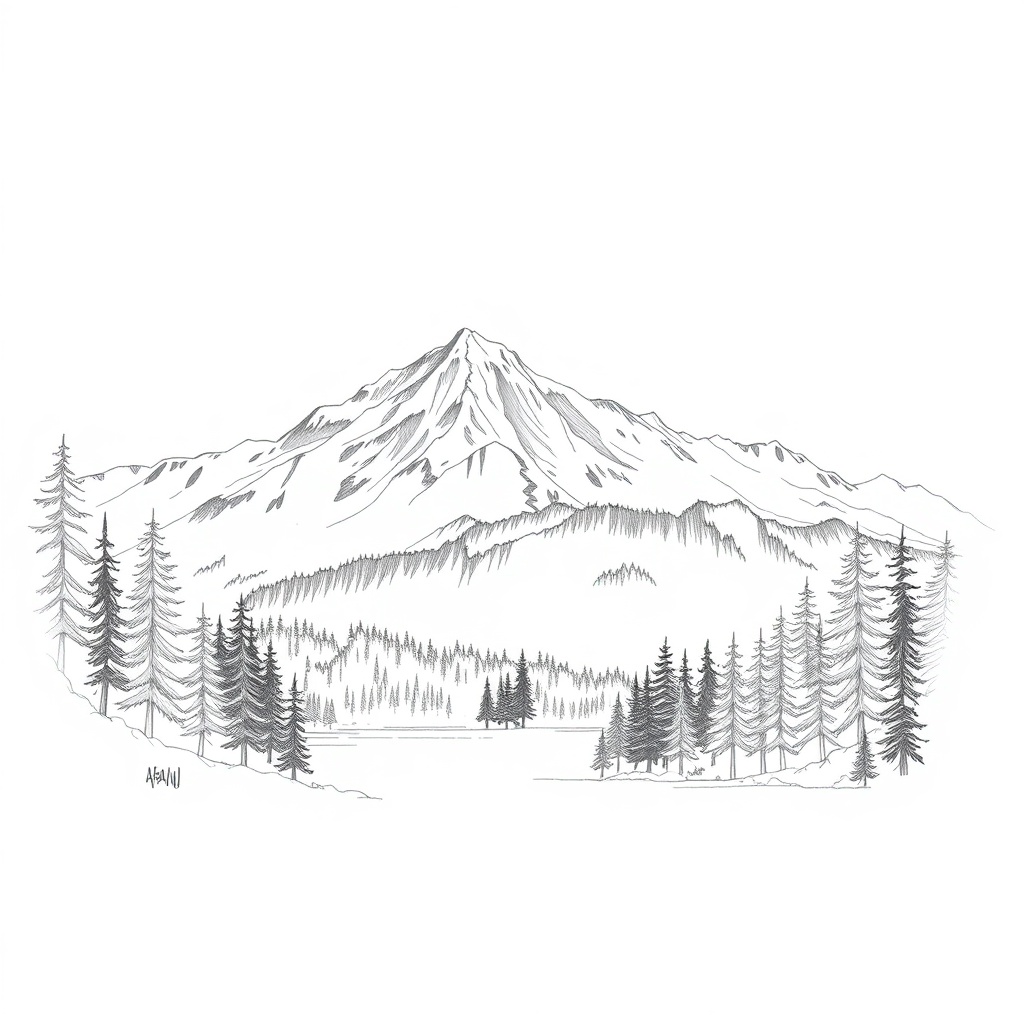
Urban and wildland interfaces are getting attention from municipalities updating building codes, creating defensible space guidance, and investing in rapid response capacity.
Water, hydropower, and agriculture
Shifting snowmelt patterns affect rivers that feed farms, cities, and hydroelectric systems. Water managers are adapting with increased monitoring, flexible reservoir operations, and water-conservation programs. Farmers are experimenting with drought-tolerant crops and irrigation efficiencies, while municipalities promote groundwater recharge and multi-benefit infrastructure that supports both human needs and habitat.
Urban nature and livable cities
Cities in the region are prioritizing urban forestry, green roofs, and permeable surfaces to reduce heat islands and manage stormwater. Public transit expansions and bike-friendly initiatives reflect a growing focus on low-carbon mobility. Neighborhood-scale projects—community gardens, pocket parks, and creek daylighting—improve quality of life while enhancing biodiversity.
Outdoor recreation and tourism
Outdoor recreation drives local economies, but visitor management is evolving. Trail maintenance, permit systems, and education campaigns aim to balance access with conservation.
Backcountry users are encouraged to practice low-impact principles and check local advisories for fire danger, snowpack stability, and seasonal closures.
Practical steps for residents
– Prepare for extremes: assemble emergency kits for earthquakes, wildfires, and flood scenarios; know evacuation routes and local alerts.
– Support habitat: participate in local stream clean-ups, native plantings, and shoreline restoration projects.
– Conserve water: adopt efficient fixtures, capture rain where possible, and follow local watering guidance.
– Reduce wildfire risk: create defensible space around structures and follow guidance on safe burning and vegetation management.
– Get involved: attend community planning meetings, partner with tribal-led initiatives, and support policies that fund resilient infrastructure.
The Pacific Northwest’s future depends on coordinated action that respects ecological complexity and cultural connections to the land. Communities that combine traditional knowledge, modern science, and practical local steps will be best positioned to thrive amid change—preserving the landscapes and lifestyles that define the region.
Leave a Reply