The Pacific Northwest is defined by dramatic coastlines, dense forests, and tech-forward cities — a mix that creates both opportunity and urgency for sustainable living. Coastal communities, river valleys, and urban centers are all adapting to shifting weather patterns, wildfire smoke, and the need to protect iconic species like salmon. The region’s approach blends green infrastructure, transportation investments, and Indigenous stewardship to build resilience that benefits people, wildlife, and local economies.
Stormwater management is a top priority in cities that see heavy seasonal rainfall and aging sewer systems. Rain gardens, bioswales, permeable pavement, and green roofs are becoming standard tools for capturing runoff before it overwhelms streams and treatment plants.
These measures reduce flooding, filter pollutants, and recharge groundwater — and they add urban green space that cools neighborhoods during heat events. Municipal incentives and low-cost demonstration projects have helped neighborhoods convert parking strips and medians into native-plant rain gardens, offering a visible and practical way for residents to participate.
Urban forestry plays a critical role in air and water quality, shade provision, and carbon sequestration.
Local policies that protect and expand tree canopy help mitigate summer heat islands and improve public health during periods of heavy wildfire smoke. Equitable tree-planting programs that prioritize underserved neighborhoods not only enhance environmental benefits but also address long-standing disparities in green-space access.
Salmon restoration continues to galvanize cross-sector collaboration.
Removing barriers such as culverts, restoring estuary habitat, and reconnecting floodplains support salmon runs that are culturally and economically important across the region. Indigenous-led initiatives are central to this work, bringing traditional ecological knowledge and treaty-protected rights into habitat planning. Partnering with tribes ensures restoration projects honor cultural values while delivering measurable ecological outcomes.
Transportation is shifting toward reduced car dependence through expanded transit, safer bike networks, and walkable neighborhood design. Investments in regional rail, bus rapid transit, and connected bike lanes reduce emissions and make daily life more affordable. Streetscape redesigns that prioritize people — not just vehicles — encourage local commerce and healthier, more active communities.
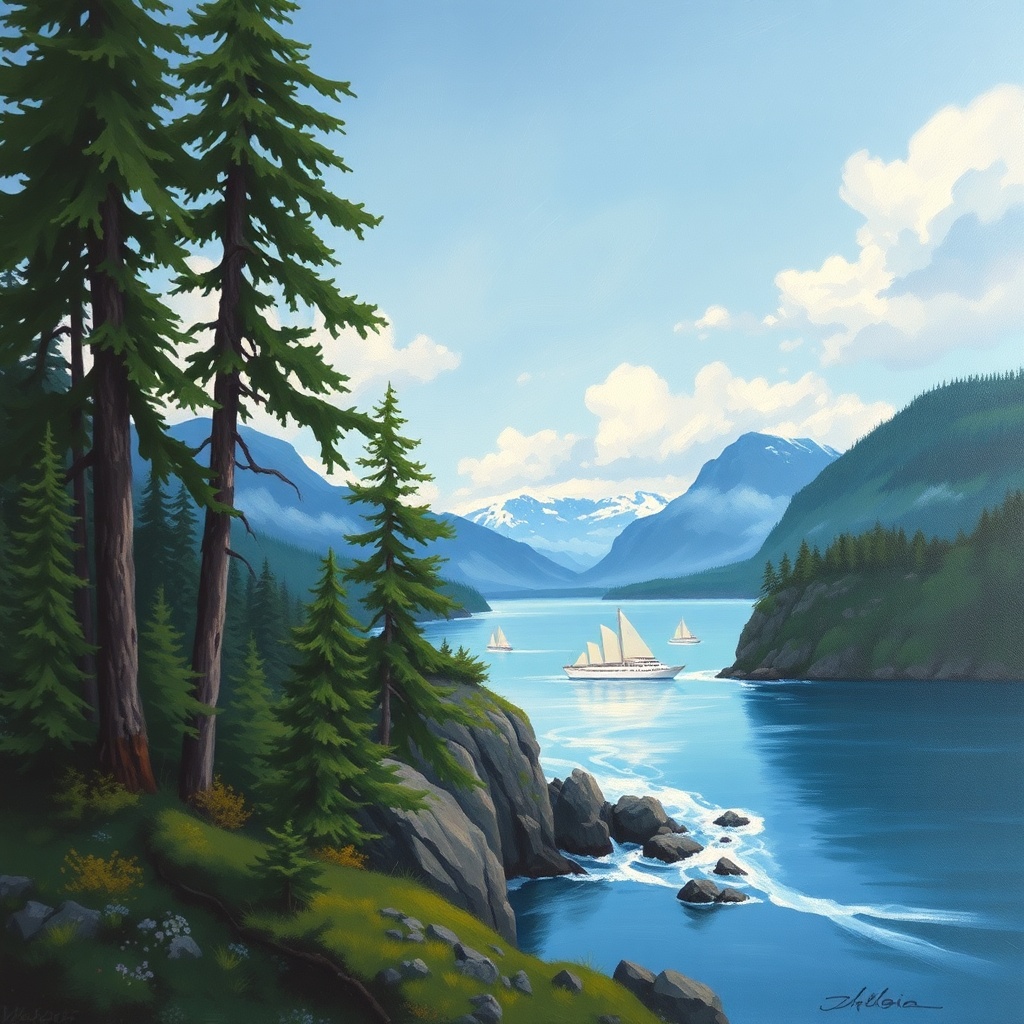
Sea level rise and coastal erosion are prompting coastal towns to reassess development patterns and shoreline protections. Nature-based solutions, including restored wetlands and living shorelines, provide erosion control while sustaining habitat. Where hard infrastructure is unavoidable, careful planning seeks to minimize impacts and prioritize public access and ecological continuity.
Funding and policy tools matter. Local governments are using a mix of grants, stormwater fees, bonds, and public-private partnerships to scale projects. Community engagement remains essential: when residents help design solutions, projects are more likely to be maintained and valued long term.
Equitable planning ensures benefits are shared across neighborhoods, especially those historically underserved.
Individuals can contribute through simple actions: planting native species, installing rain barrels, choosing active transportation, and supporting local habitat restoration efforts. Collective action — from neighborhood green projects to regional transportation choices — will determine how resilient and livable the Pacific Northwest remains. The region’s blend of innovation, community activism, and respect for longstanding Indigenous stewardship offers a model for confronting environmental challenges while preserving the landscapes that define the area.
Leave a Reply