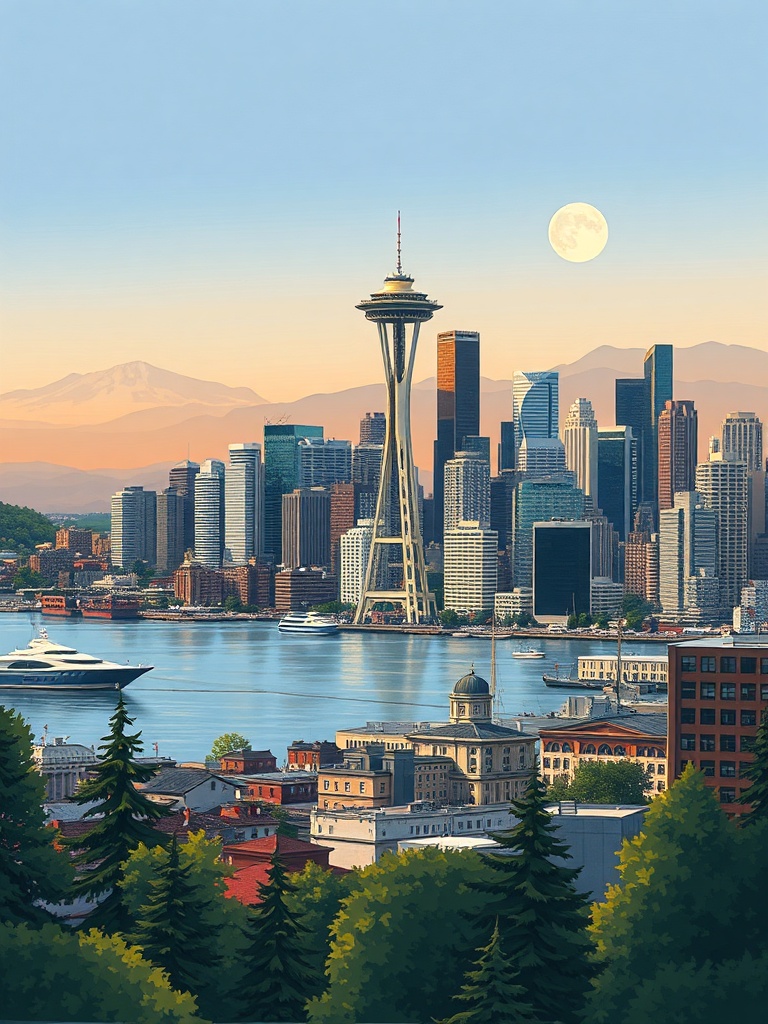
Seattle’s waterfront has been quietly reinventing itself into one of the city’s most walkable, resilient, and activity-rich neighborhoods.
Stretching along Elliott Bay and anchored by iconic spots like Pike Place Market and the Great Wheel, the waterfront now blends public parks, art installations, flexible event spaces, and improved connections to transit and bike networks — making it easier to enjoy the bay whether you’re a local or a visitor.
Accessibility and getting there
The waterfront’s accessibility is a major draw. It’s easy to reach by light rail, bus, car, or ferry — and many people choose to arrive by bike or on foot.
New and upgraded promenades connect downtown to the piers and parks, and bike-friendly routes link to the broader Elliott Bay Trail. Pedestrian improvements have reduced traffic bottlenecks, and wayfinding signs help visitors locate key attractions like the aquarium, piers, and market.
Top things to do
– Pike Place Market: A short stroll from the waterfront, the market remains a must-see for fresh seafood, artisanal goods, and lively street performers. Don’t miss the clam chowder and the fish-throwing ritual near the main arcade.
– Waterfront parks and piers: The promenade is dotted with vantage points for sunset views over the Sound, public seating, and green spaces ideal for picnics. Piers host seasonal markets, street food vendors, and family-friendly programming.
– Seattle Aquarium: Focused on local marine life, the aquarium offers interactive exhibits and behind-the-scenes looks that appeal to all ages.
– Public art and sculpture: Scattered installations and curated sightlines make the waterfront a pleasant place for a slow walk or a photo tour.
– The Great Wheel and ferris attractions: For panoramic views of the bay and skyline, the wheel provides a gentle, scenic ride that’s especially striking at dusk.
Dining and nightlife
Waterfront dining emphasizes seafood and Pacific Northwest flavors. Casual eateries and full-service restaurants line the piers and promenades, many with outdoor seating to enjoy harbor breezes. Food trucks and pop-up vendors often cluster near event spaces, offering quick bites between sightseeing stops. Nearby neighborhoods serve craft cocktails, microbrews, and neighborhood-focused menus if you want to venture off the main pedestrian corridor.
Climate resilience and long-term planning
A major focus of waterfront improvements has been resilience.
Seawall upgrades, stormwater management, and green infrastructure have been integrated to reduce flood risk and protect habitats.
Projects prioritize durable public spaces that can adapt to changing coastlines while retaining access to shoreline recreation. These investments aim to keep the waterfront vibrant and functional despite rising seas and larger storm events.
Tips for visiting
– Walk or bike to soak in the full experience; parking can be limited during peak times.
– Arrive early or later in the day to avoid lunchtime crowds at popular piers and market stalls.
– Check local event listings for outdoor concerts, markets, and family activities that frequently take place along the promenade.
– Pack a light layer — waterfront weather can shift quickly, and evenings are typically cooler.
The waterfront’s blend of public space, food culture, and waterfront recreation makes it one of Seattle’s most inviting urban experiences. Whether you come for the market, a waterfront stroll, family attractions, or simply the views, the area rewards slow exploration and keeps revealing new corners to enjoy.
Leave a Reply