Designing a Pacific Northwest–Friendly Garden: Native Plants, Rain Gardens, and Low‑Maintenance Tips
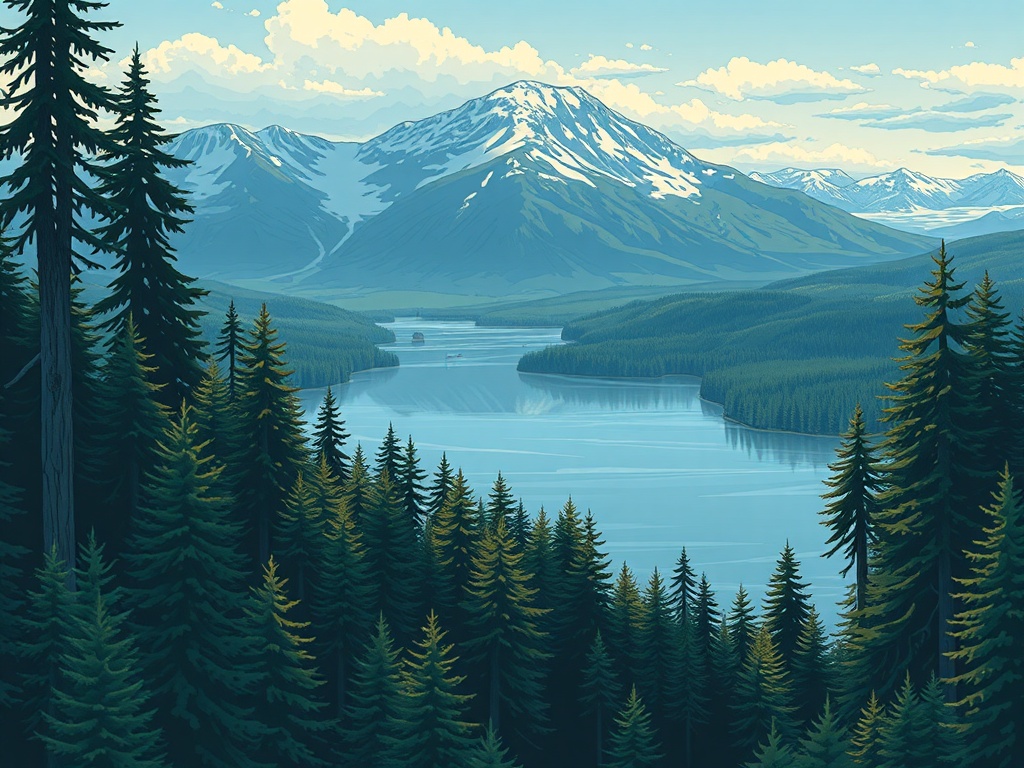
The Pacific Northwest’s mix of temperate rainforests, maritime influence, and varied microclimates makes it a rewarding place to garden—if you match plants and practices to local conditions. Whether you have a small urban courtyard in Seattle, a sloped lot near Portland, or a shady yard in coastal British Columbia, focusing on native species, stormwater management, and drought-resilient design creates a healthier landscape that supports wildlife and reduces maintenance.
Start with the right plants
Native and regionally adapted plants are the backbone of a resilient Pacific Northwest garden.
They’re tuned to local soils, rainfall patterns, and pollinators, meaning less water, fertilizer, and pesticides. Consider options like sword fern and salal for shade; red-flowering currant and ocean spray for early-season pollinators; and camas, Oregon grape, and serviceberry for seasonal interest and wildlife food. Use layered planting—canopy trees, understory shrubs, and groundcovers—to mimic forest structure and reduce weed pressure.
Capture and manage rain
Stormwater runoff is a major issue in towns and suburbs across the region. Rain gardens, bioretention swales, and permeable paving slow water, filter pollutants, and recharge groundwater. Place a rain garden downslope from roof runoff or a driveway to catch overflow; choose soil mixes with good infiltration and native wet-tolerant plants that can survive both standing water and dry spells. Rain barrels are an easy first step for water reuse—mounted at gutter downspouts they supply irrigation for containers and vegetable beds.
Design for seasonal swings
The region can alternate between rainy winters and dry summers.
Build in resilience by mulching to retain soil moisture, grouping plants with similar water needs, and prioritizing deep-rooted perennials and trees that access water during dry stretches. If turf is important, choose drought-tolerant grasses and reduce lawn size by replacing edges with native meadows or low-maintenance groundcovers.
Support salmon and pollinators
Urban runoff and habitat loss affect salmon-bearing streams and the pollinators that sustain food webs. Keep riparian buffers intact where possible: plant native shrubs and trees along waterways, avoid chemical fertilizers and pesticides, and use natural erosion control like live stakes and coir logs when stabilizing banks. For pollinators, provide continuous blooms from early spring through fall, include host plants for native butterflies, and leave some leaf litter or brush piles for overwintering insects.
Practical low-maintenance strategies
– Replace small lawn patches with native groundcovers like kinnikinnick or wild strawberry to reduce mowing.
– Choose mulch that stays in place to suppress weeds and preserve moisture—shredded bark is a common choice.
– Use drip irrigation with timers for new plantings; once established, many natives need only occasional supplemental water.
– Embrace seasonal pruning and deadheading to promote plant health and reduce disease.
– Consider edible landscaping—fruit trees, berry canes, and perennial herbs integrate food production with habitat value.
Community and regulations
Many municipalities and homeowners’ associations in the region now encourage or offer incentives for native planting, rain gardens, and waterwise landscaping.
Check local resources for rebates on rain barrels, native plant sales, and guidance on permitted alterations near streams or wetlands.
A Pacific Northwest garden designed around local ecosystems not only reduces maintenance but creates a living space that supports birds, bees, and the waterways that define the region.
Start small, observe how your site performs through the seasons, and expand using plants and practices that celebrate local ecology.
Leave a Reply