Pacific Northwest: Why the region keeps drawing outdoor lovers and sustainability-minded travelers
The Pacific Northwest blends towering evergreens, rugged coastline, and dynamic cities into a lifestyle that emphasizes outdoor recreation, local food, and environmental stewardship. Whether you’re planning a weekend escape or considering a longer move, the region offers a mix of adventure, culture, and green living that continues to attract visitors and residents alike.
Nature and outdoor adventure
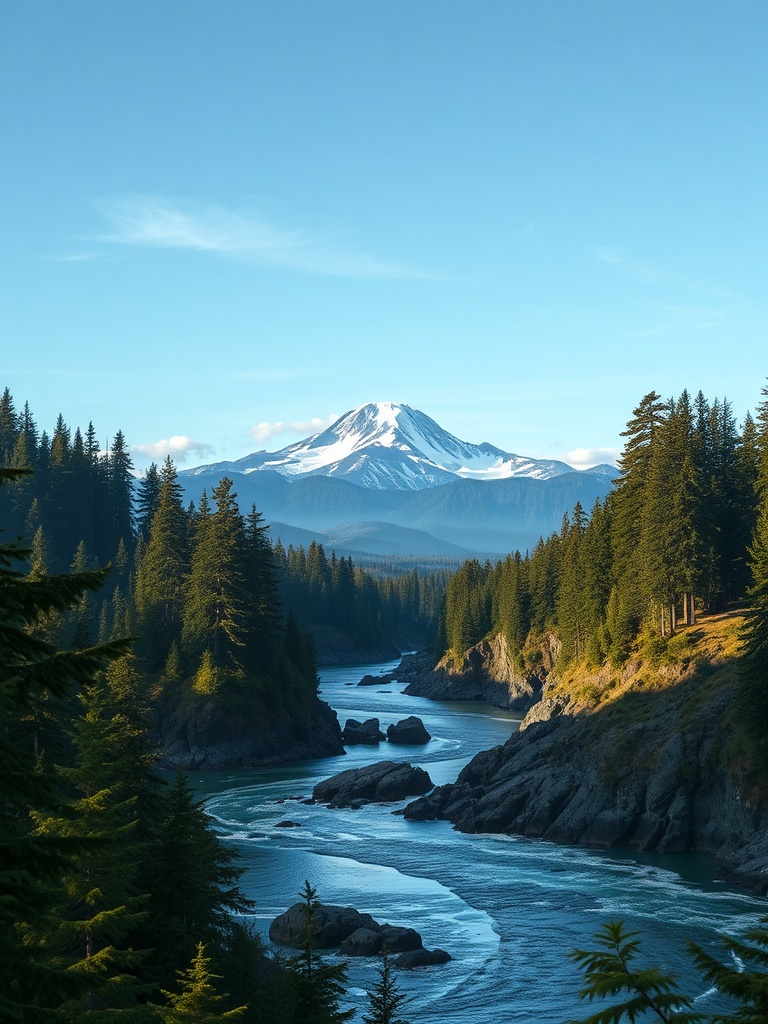
From mossy temperate rainforests to alpine ridgelines and wind-swept beaches, the Pacific Northwest is an outdoor playground. Popular activities include:
– Day hikes and multi-day backpacking in the Cascades and Olympic ranges
– Water sports on Puget Sound, the Columbia River Gorge, and coastal bays—kayaking, paddleboarding, and windsurfing
– Mountain biking on purpose-built trail networks around urban centers
– Tidepooling and beachcombing along easily accessible coastal sections
Practical outdoors tips: pack layers for fast-changing weather, bring rain protection even on sunny forecast days, check avalanche and trail conditions before heading into high country, and consult tide charts for coastal exploration.
Sustainable cities and local culture
Urban centers in the region balance growth with an emphasis on walkability, transit, and green design. Bike-friendly neighborhoods, extensive public transit options, and an appetite for local sourcing drive a thriving small-business scene. Expect a strong coffee culture, craft breweries and distilleries, farm-to-table restaurants, and vibrant farmers markets offering seasonal produce and seafood.
Support local initiatives by choosing independent shops, booking eco-conscious stays, and learning about community-led conservation projects. Many towns and cities host events that highlight Indigenous artists and leaders—engaging with these programs is a meaningful way to learn about the region’s history and stewardship practices.
Conservation and critical ecosystems
Salmon, old-growth forests, and estuaries are central to the Pacific Northwest’s ecological identity. Efforts to restore salmon runs, protect riparian zones, and remove barriers to fish migration are ongoing priorities. Visitors can help by following shoreline access rules, avoiding disturbance of spawning habitats, using biodegradable gear where appropriate, and participating in volunteer restoration days.
Wildfire smoke and air quality awareness
Wildfire seasons have brought increased attention to air quality. It’s wise to monitor local air advisories, carry a certified particulate respirator (N95 or equivalent) if you’re sensitive to smoke, and be flexible with outdoor plans during heavy smoke events. Trail and park closures may occur for safety reasons—check official park websites before travel.
Respectful travel and cultural considerations
Many landscapes in the Pacific Northwest are on traditional Indigenous territories. Respect signage, stay on designated trails, and seek opportunities to support Indigenous-owned businesses and cultural centers.
If visiting archaeological or culturally sensitive sites, follow guidance from tribal authorities and land managers.
Practical planning checklist
– Layered clothing and waterproof outerwear
– Maps, tide charts, and trail condition apps
– Emergency kit and water filtration for backcountry trips
– Reservations for popular parks and campsites during peak periods
– Reusable water bottle and waste-reduction supplies
The Pacific Northwest remains a magnet for people who value active outdoor life, local foodways, and environmental responsibility.
With thoughtful planning and respect for local ecosystems and communities, visitors can enjoy rich, memorable experiences while contributing to the region’s long-term health and resilience.
Leave a Reply