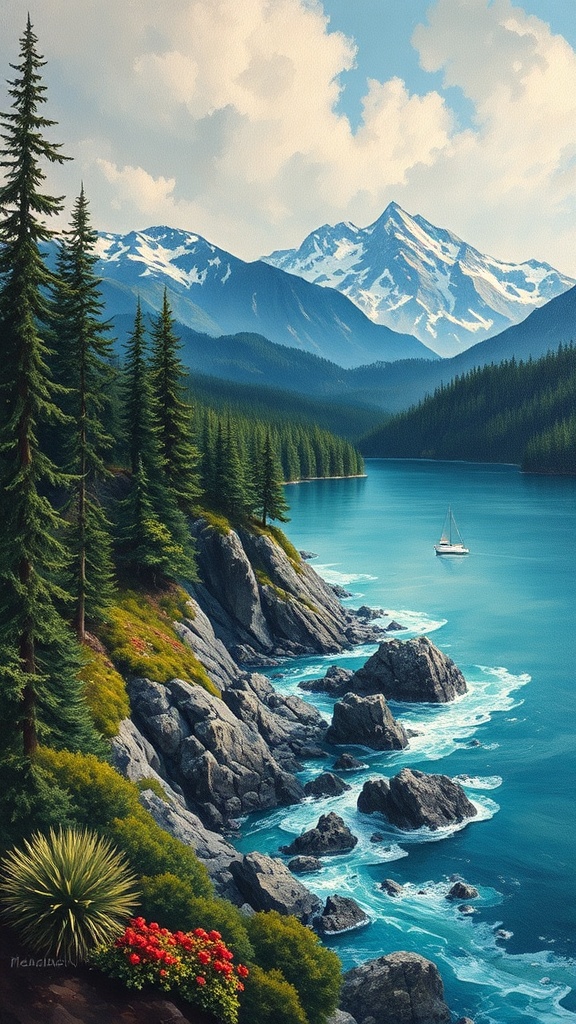
Pacific Northwest living blends dramatic landscapes, vibrant cities, and a culture of outdoor stewardship. From moss-draped temperate rainforests and rugged coastlines to snow-capped volcanoes and thriving urban centers, the region draws people who value fresh air, good coffee, and meaningful conservation. This guide highlights what makes the Pacific Northwest special and offers practical tips for exploring and living well while protecting the places that make the region unique.
Nature and outdoor recreation
The Pacific Northwest is ideal for hiking, trail running, paddling, and backcountry skiing.
Trails range from short coastal walks to multi-day alpine routes. Popular activities include exploring old-growth forests, tidepooling on rocky shores, and climbing volcanic ridges. Weather can change quickly—layering and waterproof gear are essential. Use local trail apps and park websites for up-to-date route conditions and permit requirements.
Wildfire smoke and air quality
Wildfire smoke can affect large areas; monitoring air quality is a key part of outdoor planning. Check regional air-quality tools before heading out. When smoke levels rise, prioritize indoor activities, use air purifiers at home, and consider N95 or P100 masks for necessary outdoor exposure.
Homeowners can reduce wildfire risk by creating defensible space: clear flammable vegetation near structures, use fire-resistant materials where possible, and keep gutters and roofs free of debris.
Salmon, rivers, and restoration
Salmon runs are central to the region’s ecology and culture.
Efforts to restore habitat—removing barriers, reforesting riparian zones, and improving water quality—are ongoing. Support restoration through local watershed groups, volunteer restoration events, or by choosing sustainable seafood options. Respect fishing regulations and seasonal closures to help populations recover.
Urban life, transit, and sustainable choices
Cities in the Pacific Northwest balance growth with environmental priorities. Public transit, biking infrastructure, and walkable neighborhoods reduce car dependence. Many communities prioritize green building, urban tree canopy preservation, and local food systems. Shop at farmers markets, support community-supported agriculture (CSA), and choose locally roasted coffee to keep dollars in the regional economy.
Earthquake preparedness
The Cascadia subduction zone and other faults mean earthquake preparedness matters.
Basic readiness includes securing heavy furniture, assembling an emergency kit, and having a family communication plan. Know how to “drop, cover, and hold on” and store emergency water and nonperishable food for at least a few days. Community drills and neighborhood networks strengthen resilience.
Leave-no-trace and responsible recreation
Preserving wild places requires thoughtful behavior.
Follow leave-no-trace principles: pack out trash, stay on designated trails, minimize campfire impacts, and respect wildlife. When visiting sensitive areas like alpine meadows or shorebird nesting sites, give wildlife plenty of space and avoid disturbing habitat.
Practical packing list for Pacific Northwest outings
– Layered clothing: waterproof outer layer, insulating mid-layer, moisture-wicking base
– Sturdy, broken-in footwear
– Navigation: map, compass, or GPS app with offline maps
– Water bottle and purification method
– Headlamp, first-aid kit, and emergency shelter
– Air-quality mask (N95/P100) and sunscreen
The Pacific Northwest invites both adventure and stewardship. Whether exploring a mossy trail, supporting salmon restoration, or choosing a sustainable commute, small daily choices add up.
Embrace the region’s natural gifts while helping protect them for the people and wildlife that depend on them.
Leave a Reply