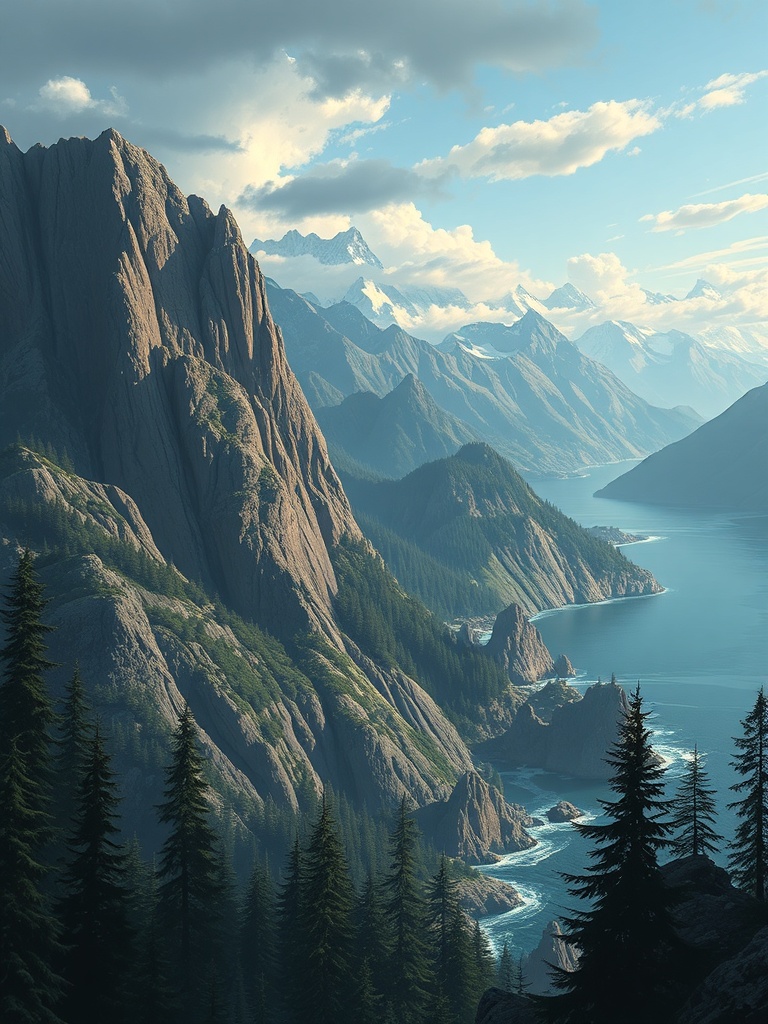
The Pacific Northwest blends dramatic coastlines, moss-draped temperate rainforests, and snow-capped mountains into one of the most compelling outdoor regions anywhere. For anyone planning to explore this landscape, balancing adventure with thoughtful stewardship yields the best experience—for visitors and the ecosystems that support them.
Where to go and what to expect
– Coastline: Rugged headlands, tidepools, and long sandy beaches define the coast. Watch for sneaker waves and strong rip currents near rocky points; respect posted warnings and keep a safe distance from cliff edges.
– Islands and waterways: The Salish Sea and island chains offer kayaking, whale watching, and productive fisheries.
Boaters should check tidal currents and local channel conditions before departing.
– Mountains and alpine zones: The Cascade Range and coastal ranges provide hikers and climbers with technical terrain and changing weather. Snowmelt feeds rivers, so stream crossings can be hazardous even on well-traveled routes.
– Temperate rainforests: Lush understories, big trees, and constant green make places like the Olympic Peninsula standout destinations. Trails can be muddy and slippery—sturdy footwear is essential.
Practical safety tips
– Plan ahead: Obtain permits or reservations where required, study route conditions, and leave arrival/departure plans with someone who won’t be joining the trip.
– Respect weather and microclimates: Mountain weather can change fast.
Pack layers, rain gear, and extra insulation even for short outings.
– Water safety: Cold water and strong currents increase drowning risk. If swimming, choose sheltered areas and never swim alone.
– Wildlife awareness: Bears, cougars, and elk inhabit many areas. Store food in approved containers, make noise on forested trails, and know how to react to close encounters.
– Trail hazards: Tread carefully on wet roots and rocks; use trekking poles for stream crossings and steep descents.
Leave No Trace and cultural respect
– Pack it in, pack it out: Carry out all trash and leftover food. Even biodegradable items can attract wildlife and harm ecosystems.
– Stay on durable surfaces: Avoid widening trails or creating new campsites. Fragile alpine and intertidal habitats recover slowly.
– Human waste: Use established toilets when available. When nature calls beyond facilities, follow best practices for burying waste far from water sources, trails, and campsites.
– Honor Indigenous lands: Much of the region rests on ancestral and treaty territories of Coast Salish, Chinook, Nuu-chah-nulth and many other Nations. Learn about local stewardship practices, seek permission where appropriate, and support Indigenous-owned businesses and guiding services.
Enjoying seasonal highlights responsibly
– Tidepools reveal an incredible microcosm of life—observe without disturbing or collecting animals.
Keep feet out of sensitive eelgrass beds and avoid flipping rocks.
– Salmon runs and spawning streams are biologically active and culturally significant.
Give rivers a wide berth during spawning season and follow fishing regulations set by state and tribal authorities.
– Wildflower meadows and old-growth stands are delicate—stick to trails and boardwalks to protect root systems and minimize soil compaction.
Support local economies and conservation
Choose locally owned outfitters, guides, and eateries to circulate tourism revenue through nearby communities. Contributing to restoration groups and land trusts helps protect key habitats and trail networks for future visitors.
The Pacific Northwest rewards curiosity and humility. With preparation, respect for natural processes, and attention to local guidance, visits can leave cherished memories while helping preserve the region’s wild character for those who follow.
Leave a Reply