How the Pacific Northwest Is Adapting to Climate Risks: Practical Steps and Nature-Based Solutions
The Pacific Northwest’s mix of coastlines, mountains, forests, and urban centers makes it uniquely beautiful — and uniquely exposed to a range of climate-related challenges.
Homeowners, city planners, tribes, and community groups are increasingly focused on practical, nature-based strategies that reduce risk while preserving the region’s ecological character.
Key risks and local responses
– Wildfire smoke and air quality: Smoke from distant and local wildfires periodically affects air quality, disrupting outdoor recreation and daily life. Cities and counties are expanding public advisory systems, installing clean-air community centers, and encouraging home-level improvements like high-efficiency HVAC filters and portable air cleaners to reduce indoor exposure.
– Flooding and sea-level rise: Coastal and riverine communities face higher tides and more intense storm surges. Restoring wetlands and estuaries, reconnecting rivers to their floodplains, and strategic retreat from the most vulnerable shorelines are being combined with updated building codes and floodplain mapping to reduce long-term risk.
– Heat and urban warming: Urban heat islands are a growing concern for health and energy use. Municipal programs that incentivize tree planting, cool roofs, and permeable pavement are lowering surface temperatures, improving stormwater management, and enhancing livability in dense neighborhoods.
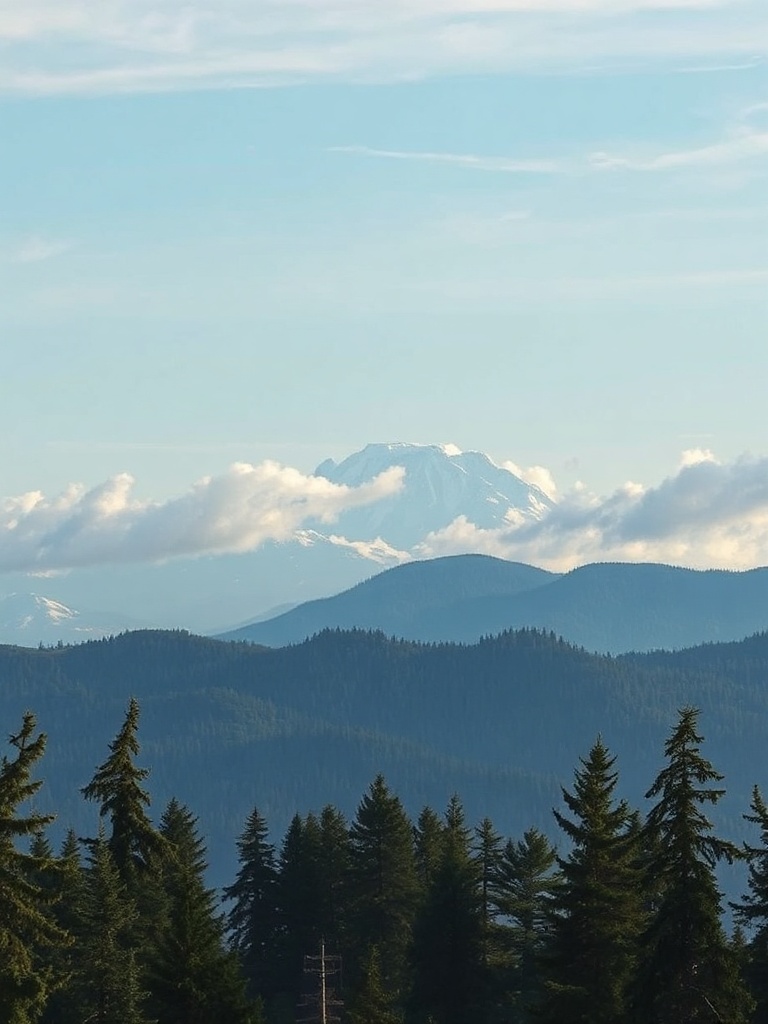
– Marine and freshwater ecosystems: Warming waters and altered stream flows challenge salmon and other keystone species.
Habitat restoration — removing obsolete dams where feasible, re-establishing streamside vegetation, and protecting spawning gravel — supports species recovery and benefits water quality and recreation.
Nature-based solutions that work
– Green infrastructure at scale: Rain gardens, bioswales, and expanded tree canopy reduce runoff, improve water quality, and cool streets. Integrating these features into street designs and new developments yields measurable benefits for both neighborhoods and downstream ecosystems.
– Wetland and estuary restoration: Rehabilitating tidal marshes and riparian corridors provides natural buffers against storm surge, stores carbon, and creates essential habitat for migratory birds and juvenile fish. These projects often deliver high ecological returns for the investment.
– Community-led habitat projects: Tribal nations, local conservation groups, and volunteer coalitions are restoring riparian zones and removing barriers to fish passage. These efforts combine traditional ecological knowledge with modern science to create culturally grounded, effective projects.
Practical steps for residents and visitors
– Monitor air quality before planning outdoor activities, especially during the smoky season. Many local agencies push alerts and guidance through apps and social platforms.
– Prepare homes for flooding and wind events by elevating utilities where possible, installing sump pumps with battery backup, and assessing landscaping to reduce fire risk.
– Support local restoration efforts by volunteering with stream cleanups, native-plantings, and beach stewardship programs. Small-scale actions contribute to larger outcomes.
– Choose responsible recreation: use designated trails, pack out waste, and follow seasonal closures designed to protect wildlife and habitat.
Policy and planning trends to watch
Regional collaboration is becoming more common, with metro areas and coastal counties sharing data, modeling tools, and funding strategies.
Financing mechanisms such as green bonds and public–private partnerships are accelerating projects that would have been difficult to fund through traditional channels alone. Community engagement — particularly meaningful collaboration with Indigenous governments — is increasingly recognized as essential for ethical and effective planning.
The Pacific Northwest’s natural systems and communities are interconnected. Prioritizing nature-based solutions, thoughtful land-use policy, and community preparedness can reduce risk while maintaining the region’s distinct environmental values.
Communities that blend local knowledge with proactive planning will be best positioned to thrive as conditions evolve.
Leave a Reply