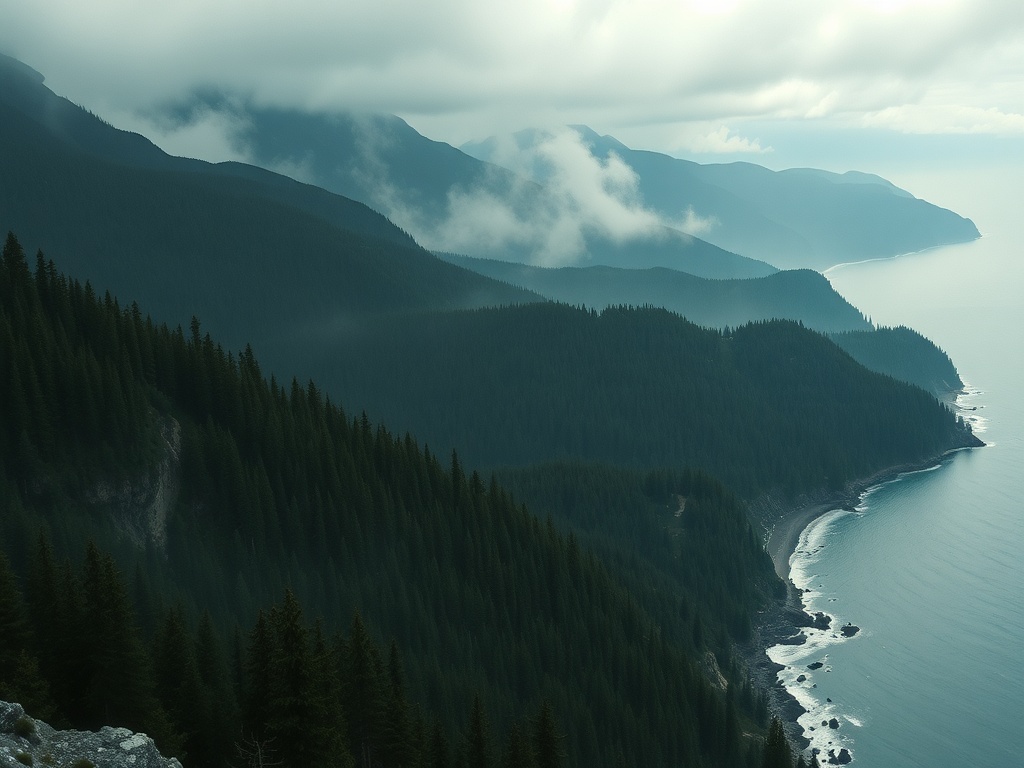
Oregon’s coast stretches from fog-laced headlands to windswept dunes, offering a coastline that rewards both short drives and extended escapes.
Whether you’re after dramatic sea stacks, tide pools rich with life, or quiet beaches for long walks, the coast delivers accessible outdoor experiences with a distinct Pacific Northwest flavor.
What to see and do
– Iconic seastacks and sunsets: Look for basalt formations that punctuate the shoreline and make for striking photography at golden hour.
Haystack Rock is a classic, but smaller and less-crowded sea stacks dot the coast and are equally scenic.
– Tidepooling and wildlife viewing: Low tides reveal anemones, starfish, crabs, and abundant intertidal life. Coastal headlands and marine reserves offer excellent vantage points for whale watching during migration windows and for spotting seals and seabirds year-round.
– Dunes and forest contrasts: The Oregon Dunes National Recreation Area provides a surreal landscape of rolling sand for hiking, off-road adventures, and sandboarding, while nearby Sitka spruce and coastal hemlock forests deliver shaded trails and rich understory.
– Lighthouses, lighthouses, lighthouses: Historic beacons along the coast tell maritime stories and often include interpretive centers. Climbing a lighthouse tower or exploring the keeper’s quarters adds a human element to the landscape.
– Coastal towns and food: Small ports and seaside towns serve up fresh oysters, Dungeness crab, clam chowder, and artisan cheeses.
Farmers markets and seafood shacks are where the local flavor is most authentic; consider pairing a coastal meal with a craft brew or a bottle from a nearby winery region.
Practical tips for a better visit
– Check tide charts before heading to tidepools or beach caves; timing is everything for safe exploration. Pay attention to posted safety signs and never turn your back on the ocean—sneaker waves can arrive without warning.
– Layer clothing and bring windproof outerwear.
Coastal weather can shift quickly and is often cooler and breezier than inland areas.
– Expect limited cell service in remote stretches; download maps and emergency contacts ahead of time.
– Opt for early starts or shoulder-season days to avoid crowds at popular overlooks and trailheads.
– Support local businesses: purchase gear, food, and souvenirs from independent shops and markets to help sustain coastal communities.
Sustainability and stewardship
The coast’s ecosystems are fragile. Practice Leave No Trace principles: pack out trash, avoid disturbing wildlife and nesting areas, and stay on designated trails and dunes.
Rinse boots and gear to prevent spreading invasive species between sites.
Learn about Indigenous history and contemporary stewardship efforts—many coastal communities partner with tribal nations to protect marine resources and cultural sites.
Where to stay
Options run from state park campsites and rustic cabins to boutique inns and beachfront rentals. For quieter stays, look beyond the most photographed landmarks and choose smaller towns or state park campgrounds.
Booking early for weekends and holiday periods helps secure preferred spots.
A coastal trip can be as active or as restful as you like.
With a bit of planning—respect for natural rhythms, a focus on local businesses, and attention to safety—you’ll come away with memories of wide horizons, dramatic waves, and some of the most evocative coastline found in the Pacific Northwest.
Leave a Reply