Portland’s reputation as a green, walkable city is more than a tagline — it’s a living strategy that shapes daily life for residents and visitors alike. From canopy-lined neighborhoods to an extensive network of parks and bike routes, Portland blends urban convenience with nature-first planning that makes getting around and enjoying the city feel effortless.
Green infrastructure and urban design
Portland’s approach to green infrastructure extends beyond individual parks. Neighborhood greenways, bioswales, and green roofs help manage stormwater, lower urban heat islands, and create pleasant streetscapes.
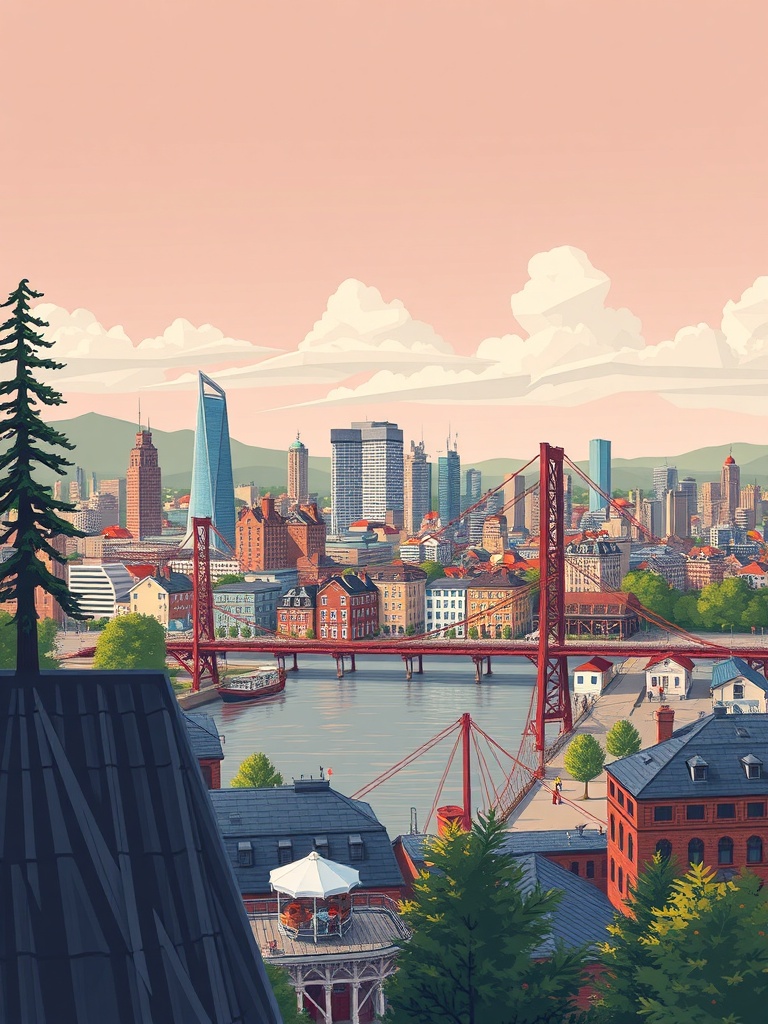
The urban growth boundary preserves surrounding farmland and forests, concentrating development and protecting regional green space. For anyone interested in sustainable city design, Portland offers tangible examples of policy-driven conservation integrated with everyday urban life.
Parks and outdoor access
Access to green space is a defining feature. Large natural areas and pocket parks coexist with riverfront promenades and community gardens, making it easy to find quiet or recreation within minutes of downtown. Popular trails through forested parks provide long, uninterrupted miles for running, hiking, or birdwatching, while waterfront paths offer scenic flat routes ideal for walking and cycling.
Bike- and pedestrian-friendly transportation
Cycling routes and protected lanes are central to mobility here. City planners prioritized connected bike networks and neighborhood greenways, encouraging commuting by bike and reducing car dependency. For those who prefer transit, the regional light rail and frequent bus service make many neighborhoods accessible without a car.
Multimodal options — bike-share, e-scooters, and car-sharing — complement fixed-route transit and support short, sustainable trips across the city.
Food, culture, and neighborhood character
Portland’s neighborhoods pulsate with independent businesses: chef-driven restaurants, specialty coffee shops, and microbreweries reflect a strong local-first ethos. Farmers markets and small food carts continue to be hubs for seasonal produce and creative cuisine. Cultural anchors such as independent bookstores, art galleries, and music venues contribute to a vibrant street-level experience that rewards exploration on foot.
Practical tips for residents and visitors
– Choose a neighborhood greenway or waterfront path for scenic, low-traffic bike rides.
– Use transit apps to plan light rail and bus connections; they’re often the fastest way to avoid downtown congestion.
– Explore community gardens and neighborhood parks for quieter, more local experiences than the main tourist spots.
– Pack a rain shell and layered clothing — microclimates mean weather can shift quickly across different parts of the city.
– Support small businesses and local markets to experience the authentic flavor of each neighborhood.
Challenges and forward momentum
Like many growing cities, Portland faces challenges around housing affordability and equitable access to services. Community-led initiatives, policy shifts toward denser development near transit, and investments in affordable housing aim to balance growth with livability. Ongoing efforts to expand tree canopy, restore riverbanks, and upgrade stormwater systems underscore a long-term commitment to resilience.
Whether you’re planning a move, a visit, or just some local weekend exploring, Portland rewards curiosity.
Its mix of environmental stewardship, active transportation, and neighborhood-focused culture creates a city that feels both livable and lively — where everyday routes double as opportunities to connect with nature and community.
Leave a Reply