Pacific Northwest native plants are the backbone of resilient, pollinator-friendly gardens that handle cool, wet winters and warm, dry summers with ease. Choosing species adapted to local conditions reduces maintenance, conserves water, and creates habitat for bees, butterflies, birds, and native insects.
Use these practical tips to build a low-maintenance, beautiful landscape that supports local ecology.
Why choose natives
– Adapted to local climate and soils, native plants typically need less supplemental water and fertilizer once established.
– They offer the right food and shelter for native pollinators and birds—many insects require specific host plants to complete their lifecycles.
– Natives can help manage stormwater and improve soil health when used in rain gardens or buffers along streams and shorelines.
Layered planting strategy
Mimic a natural forest by designing layers:
– Canopy or tall shrubs: choose species that provide structure and winter shelter.
– Mid-story flowering shrubs: these supply nectar and pollen during early-season blooms when pollinators need it most.
– Herbaceous perennials and bulbs: stagger bloom times to provide continuous forage across the growing season.
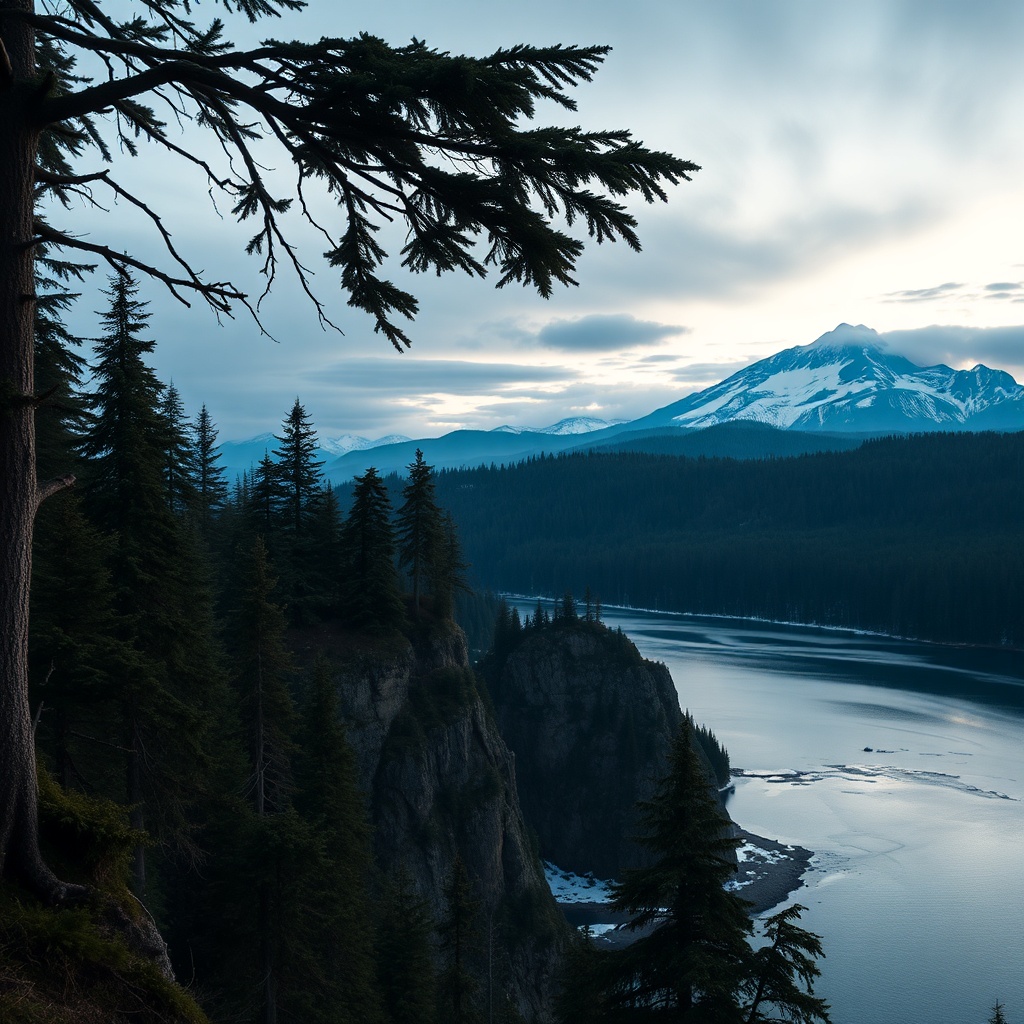
– Groundcovers and native grasses: reduce weeds, stabilize soil, and retain moisture.
Top Pacific Northwest picks (general regions)
– Oregon grape (Mahonia): evergreen shrub with early-season yellow flowers that attract bees and dense foliage for birds.
– Red-flowering currant (Ribes): brilliant spring blossoms favored by hummingbirds and native bees.
– Salal (Gaultheria shallon): tough, glossy groundcover with edible berries and good erosion control.
– Sword fern (Polystichum munitum): classic understory fern for shady spots under trees.
– Red-osier dogwood (Cornus sericea): striking stems for winter interest, summer berries for birds, and strong erosion control in riparian zones.
– Camas (Camassia) and native lupines: spring bulbs and perennials that provide nectar for early pollinators.
Planting and maintenance tips
– Right plant, right place: match moisture, sun exposure, and soil drainage to the plant’s needs. Many natives thrive in the filtered light and rich soils of woodland gardens, while others prefer open, sunny slopes.
– Local provenance matters: plants sourced from local ecotypes are better adapted to microclimates and often outperform generic stock.
– Prepare soil lightly: natives generally don’t need heavy amendments; focus on good drainage where required and incorporate organic matter for compacted sites.
– Mulch and water wisely: use mulch to conserve moisture and suppress weeds.
Water deeply but infrequently to encourage deep root systems.
– Leave snags and leaf litter: decaying wood and leaf litter offer nesting sites, overwintering habitat, and food for beneficial insects.
– Avoid pesticides: insecticides harm pollinators and disrupt natural pest control. Choose manual or biological controls where needed.
Design for continuity and wildlife
Provide continuous bloom by combining early, mid, and late-season plants.
Add small water features or shallow dishes for drinking and bathing. Preserve native grasses and seed heads through winter to offer food and shelter during lean months.
Where to find plants and resources
Seek out native plant nurseries and local native plant societies for species lists, planting guides, and community plant swaps. Local extension services and conservation groups often provide regional planting guides and events to help gardeners succeed.
Start small and observe what thrives in your microclimate. A native-focused garden not only reduces maintenance and water use but becomes a living corridor that supports pollinators, birds, and the larger Pacific Northwest ecosystem.
Leave a Reply