Oregon is a magnet for outdoor lovers, food and drink enthusiasts, and anyone drawn to dramatic landscapes.
From the mossy forests of the Coast Range to the volcanic peaks of the Cascades, the state offers a compact, diverse playground. Whether planning a weekend escape or a longer adventure, a few practical strategies will make outings safer, more sustainable, and more enjoyable.
Why people come to Oregon
– Varied landscapes: rugged coastline, alpine terrain, high desert and fertile valleys create wide-ranging activities within a few hours’ drive of one another.
– Outdoor access: countless trailheads, rivers for paddling, mountain-bike systems, and accessible beaches make recreation easy to find.
– Local culture: vibrant urban scenes—known for craft breweries, farm-to-table restaurants and wine country—pair nicely with wilderness experiences.
Top destinations worth prioritizing
– Oregon Coast: wind-swept beaches, sea stacks, tide pools and small coastal towns.
Watch tidal charts before exploring tidepool benches and take care on cliff edges and slick rocks.
– Columbia River Gorge: iconic waterfalls, scenic drives and world-class wind- and kite-sports opportunities. Popular trailheads can get crowded; arrive early or visit midweek when possible.
– Cascade Range: Mount Hood and the Three Sisters area offer hiking, skiing and alpine lakes. Backcountry travel requires route planning and awareness of seasonal hazards.
– High desert and central Oregon: Bend and surrounding areas are a hub for mountain biking, stargazing and volcanic features like lava flows and caves.
– Willamette Valley: rolling farmland and vineyards make a great base for relaxed days of tasting rooms, farm stands and scenic drives.
Sustainable, safe planning
– Check closures and permits: many state parks, national forest areas and wilderness zones use reservation systems or require permits for popular trails and campsites.
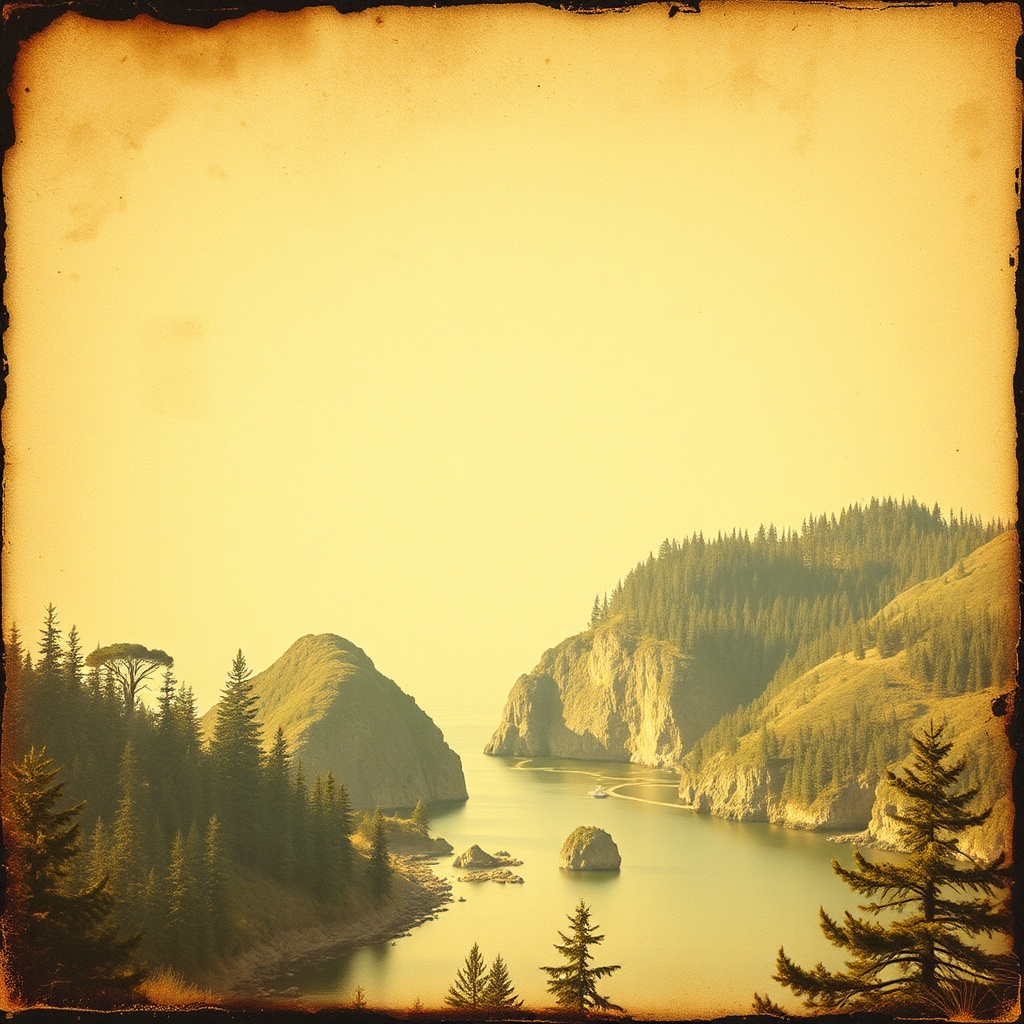
Confirm conditions with land managers before heading out.
– Follow Leave No Trace principles: pack out all trash, minimize campfire impacts where fires are allowed, and respect wildlife by observing from a distance.
– Prepare for weather and terrain: layers are essential—the coast can be foggy and cool while inland valleys warm up quickly. Bring navigation tools and a physical map when heading into remote areas.
– Beach and river safety: sneaker waves and strong currents are real hazards on the coast; never turn your back on the ocean. Rivers can have cold, fast water—use life jackets for boating and swimming.
– Respect local communities: support small towns by buying gas, groceries or a meal locally. Parking and behavior that disrupt neighborhoods can strain local resources.
Practical tips for a better trip
– Book popular campgrounds and permits early through official reservation systems.
– Use a daypack with essentials: water, snacks, sun protection, first-aid kit, rain layer and headlamp.
– Learn seasonal hazards for your destination, including wildfire or avalanche risk, and adjust plans accordingly.
– Consider public transit or shuttle services for crowded corridors to reduce parking pressure and emissions.
Oregon rewards curiosity and stewardship. With thoughtful planning and a focus on low-impact travel, visitors can enjoy the state’s dramatic coasts, alpine peaks and agricultural valleys while protecting them for the people who live there and the visitors who follow. Check official park and forest websites before you go, pack responsibly, and leave the places you visit in better shape than you found them.
Leave a Reply