Why Oregon draws curious travelers and new residents
Oregon blends dramatic coastline, volcanic peaks, fertile valleys, and vibrant urban culture into a compelling destination for outdoor lovers, foodies, and entrepreneurs.
Whether you’re planning a weekend escape from a nearby city or exploring long-term relocation options, Oregon offers varied experiences within relatively short drives.
Natural highlights worth planning for
– Oregon Coast: Rugged cliffs, tidepools, and sandy stretches form a coastline that rewards both slow drives and active exploration. Popular route options include winding scenic byways and quieter backroads that reveal lighthouses, state parks, and quaint fishing towns. Look for accessible viewpoints and coastal trails that allow sunset watching without a long hike.
– Columbia River Gorge: A short drive from major metropolitan areas finds towering waterfalls, dramatic basalt cliffs, and windsurfing along the river. Hiking routes range from family-friendly loops to more strenuous ridgelines with panoramic views.
Check trail conditions and parking rules before heading out, as some popular trailheads have limited capacity.
– Cascade Range and Mt.
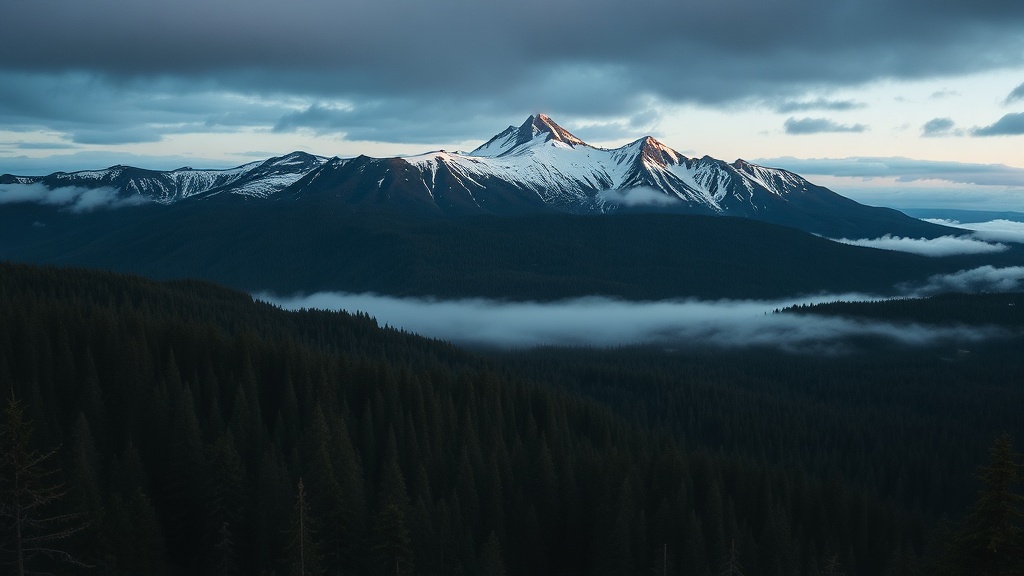
Hood: The Cascades offer year-round recreation: alpine hiking and wildflower meadows in the warmer months, and snow sports when conditions allow. Wilderness areas nearby provide backpacking, fishing, and solitude. Permits may be required for overnight stays in certain wilderness zones.
– Willamette Valley: Known for its vineyards and farm-to-table food culture, this valley is ideal for relaxed touring. Wineries and tasting rooms span small, family-run operations to established estates. Combine tastings with farmers’ markets and seasonal harvest events for a full-sensory experience.
Urban culture and culinary scenes
Portland remains a magnet for creative cuisine and craft beverage scenes. Neighborhoods present eclectic dining—from food carts and coffee roasters to high-end restaurants focusing on local produce and sustainable sourcing.
Beyond Portland, mid-size cities and small towns host their own emerging culinary scenes, often with a strong emphasis on regional ingredients and artisanal producers.
Outdoor tips and responsible travel
– Prepare for variable weather: Microclimates mean it can be sunny in one valley and rainy on the coast. Layered clothing and waterproof gear make outings more enjoyable.
– Respect fire and land-use rules: Some areas enforce strict regulations related to campfires, vehicle travel on unpaved routes, and trail access during sensitive seasons. Review local land management websites or visitor centers for the latest advisories.
– Support local economies: Choose locally owned lodging, shops, and restaurants when possible.
Many communities prioritize sustainable practices and conservation funding through visitor fees or voluntary contributions.
Practical planning and transportation
Drive times are generally reasonable between major attractions, but allow extra time for scenic detours and slower coastal routes. Public transportation options exist in urban centers; for rural exploration, a car provides the most flexibility. If visiting popular sites, arrive early or book activities in advance to avoid peak crowds.
Why it resonates
Oregon’s combination of accessible wilderness, thriving food and drink culture, and commitment to sustainability creates an experience that suits many travel styles. Whether seeking active adventures, serene natural beauty, or a gateway to creative urban life, planning with respect for local guidelines ensures a rich and responsible visit.
Leave a Reply