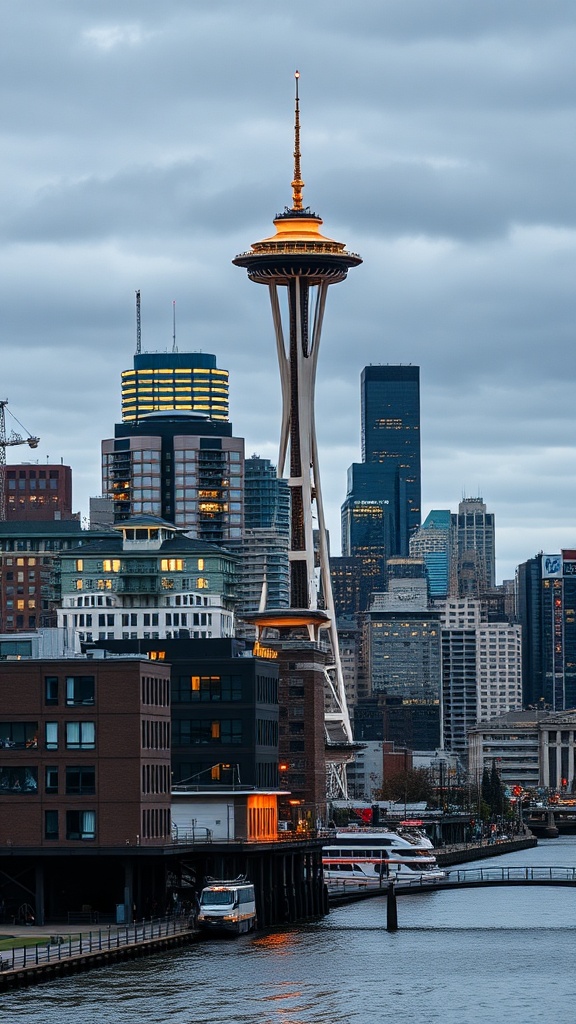
Seattle is reshaping itself as a city that balances booming innovation with a strong appetite for outdoor life, food culture, and neighborhood identity. For people who live here or plan to visit, this blend of urban energy and Pacific Northwest calm makes Seattle an endlessly engaging destination.
Transit and getting around
Transit improvements are reshaping mobility across the region.
Expanded light rail lines and improved bus rapid transit corridors are making it easier to connect downtown with outlying neighborhoods and nearby cities. Investment in protected bike lanes, multi-use trails, and micromobility options (scooters and e-bikes) is also changing day-to-day travel, while the city continues to explore policies that reduce congestion and improve safety. For visitors, the combination of transit and walkable neighborhoods means fewer cars are needed to enjoy major attractions.
Neighborhoods and housing
Neighborhoods remain the heart of Seattle’s appeal.
From the waterfront energy near Pike Place Market to the quieter, leafy streets around Green Lake and the creative vibe of Capitol Hill, each neighborhood offers a distinct flavor. Rapid growth has stretched housing supply, prompting local efforts such as accessory dwelling unit (ADU) programs, community land trusts, and innovative micro-housing to increase options while preserving character. Those looking for a more affordable entry point often find promising possibilities in emerging neighborhoods served by new transit.
Parks, waterfront, and outdoor life
Seattle’s outdoor offerings are a key reason people stick around.
The city’s parks—large and small—provide instant access to green space: sweeping views at Discovery Park, quirky charm at Gas Works Park, and year-round activity around Green Lake. The revitalized waterfront and continuous trails along the Puget Sound make kayaking, ferry trips, beach walks, and evening sunsets part of everyday life. Nearby mountain ranges and national parks are within accessible driving distance, turning the city into a gateway for hiking, snow sports, and weekend escapes.
Food, coffee, and cultural scenes
Seattle’s culinary scene continues to expand beyond its coffee legacy. Pike Place Market remains a must-see for fresh produce and artisanal goods, while neighborhood restaurants showcase an increasingly diverse range of cuisines—modern Pacific Northwest, pan-Asian, farm-to-table, and inventive food halls. The craft beer and specialty coffee movements are still strong, but local roasters and microbreweries now coexist with experimental kitchens and community-focused pop-ups.
What to explore first (quick suggestions)
– Pike Place Market and the waterfront for classic Seattle experiences
– Capitol Hill for nightlife, dining, and arts
– Ballard and Fremont for breweries, boutiques, and weekend markets
– Trails around Green Lake or Discovery Park for easy outdoor access
Practical tips
– Download regional transit apps for real-time schedules and fares.
– Bring layers and a light rain jacket—weather shifts quickly near the Sound.
– Book popular attractions and restaurants ahead of time on weekends.
– Try a neighborhood market or food truck to discover local flavors off the beaten path.
Seattle is continually refining itself: investing in mobility, nurturing local culture, and protecting access to nature while managing the pressures of growth. Whether the aim is to explore new eateries, commute without a car, or find an outdoor escape within minutes of downtown, Seattle’s evolving scene provides plenty of reasons to stay curious.
Leave a Reply