Pacific Northwest living blends dramatic landscapes, vibrant cities, and a culture rooted in outdoor adventure and sustainability. From moss-draped temperate rainforests to volcanic peaks and rocky coastlines, the region offers endless experiences for residents and visitors alike.
Nature and climate
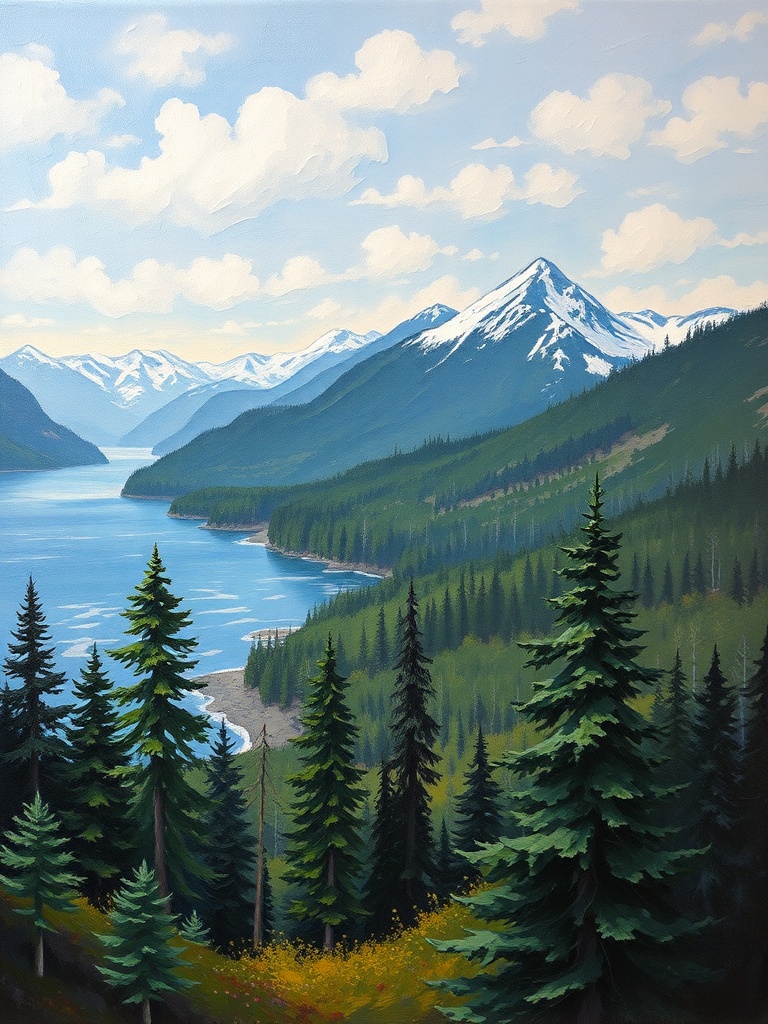
The Pacific Northwest is defined by diverse ecosystems: coastal beaches and tidepools, old-growth forests, alpine meadows, and the Cascade Range of volcanic peaks. A maritime temperate climate brings mild, wet winters and warm, drier summers in many lowland areas, while mountain zones experience heavy snow and rapid spring melts. This variety makes the region a year-round playground for outdoor enthusiasts, but also requires respect for rapidly changing weather and seasonal hazards like heavy rain, snowpack instability, and wildfire smoke.
Outdoor recreation
Hiking, trail running, mountain biking, kayaking, and mountaineering draw people to the PNW for reliable access to wild places. Popular activities include:
– Day hikes to waterfalls and viewpoints in forested corridors
– Multi-day backpacking across ridge lines and alpine lakes
– Sea kayaking along protected inlets and coastal islands
– Skiing and snowboarding at accessible mountain resorts and backcountry zones
Best practices include checking trail conditions before heading out, practicing Leave No Trace principles, and carrying layered clothing and emergency supplies. Planning around tides is essential for coastal routes, and avalanche awareness is critical in winter and spring.
Food, craft culture, and urban life
Urban centers in the region are known for thriving food scenes that celebrate local seafood, farm-to-table produce, coffee culture, and a strong independent brewery and distillery presence. Farmers markets and community-supported agriculture programs connect consumers with seasonal harvests, while a robust café scene highlights artisan roasting and specialty brewing techniques. Neighborhoods balance walkable streets, public transit options, and culturally rich festivals that showcase music, art, and craft.
Conservation and sustainability
Sustainability is central to regional identity. Efforts to restore river habitats for salmon, protect old-growth forests, and transition to renewable energy receive broad community support. Sustainable forestry practices, urban tree-planting initiatives, and habitat-friendly coastal management help balance economic needs with long-term ecological resilience. Community-led stewardship programs invite volunteers to help with habitat restoration, invasive species removal, and native-plant reforestation.
Wildfire, water, and climate resilience
Climate variability influences water availability, wildfire risk, and marine ecosystems. Communities are adapting through forest management improvements, upgraded water infrastructure, and habitat conservation that buffers species and human settlements. Staying informed about local advisories for air quality, fire restrictions, and flood risk is an important part of regional preparedness.
Practical tips for visitors
– Pack layers: weather can change quickly from foggy coast to sunny inland valleys to cool mountain passes.
– Respect salmon runs and spawning streams: observe from a distance and avoid disturbing habitat.
– Support local businesses: farms, markets, cafes, and outfitters keep the regional economy strong.
– Plan travel with flexibility: ferries, mountain passes, and trail access can be affected by weather and seasonal closures.
– Practice Leave No Trace: pack out waste, stay on durable trails, and minimize campfire impacts where fires are restricted.
The Pacific Northwest continues to attract people drawn to its natural diversity, cultural vibrancy, and commitment to living in balance with the landscape. Whether seeking solitude on a forest trail or sampling coastal cuisine in a bustling harbor town, the region rewards curiosity, stewardship, and a readiness for changing conditions.
Leave a Reply