Sustainable Gardening with Native Plants in the Pacific Northwest
The Pacific Northwest is uniquely suited to sustainable gardening.
Its mild, wet winters and dry summers create a range of microclimates—from coastal fog zones to inland rain shadows—making native plants the smartest choice for low-maintenance, wildlife-friendly landscapes. Choosing the right species and design approach reduces water use, supports pollinators and salmon-friendly waterways, and creates a resilient yard that fits the region’s climate patterns.
Why native plants matter
– Adapted to local climate and soils, native species need less fertilizer, irrigation, and pest control.
– Native flowers and shrubs provide nectar, seeds, and shelter for native pollinators, birds, and beneficial insects.
– Deep-rooted natives help stabilize soil, reduce erosion, and improve infiltration—important for properties near streams and slopes.
– Using local provenance plants supports regional genetic diversity and ecosystem health.
Top native plant picks for different zones
– Coastal and maritime gardens: evergreen huckleberry, salal, Sitka spruce (in larger spaces), coastal strawberry, and dune-adapted grasses. These handle salt spray and wind.
– Moist, shaded understory: sword fern, Oregon grape, red-flowering currant, twinflower, and vine maple. Ideal for woodland edges and shaded yards.
– Sunny, well-drained sites: kinnikinnick (arctostaphylos), camas, yarrow, rabbitbrush, and blue wildrye. These thrive in rock gardens, slopes, and meadow-style plantings.
– Rain gardens and riparian buffers: red osier dogwood, vine maple, skunk cabbage (in wet pockets), and sedges. These species absorb runoff and filter pollutants.
Design tips for low-water, wildlife-friendly landscapes
– Work with microclimates: Observe sun exposure, wind, frost pockets, and soil moisture on your property.
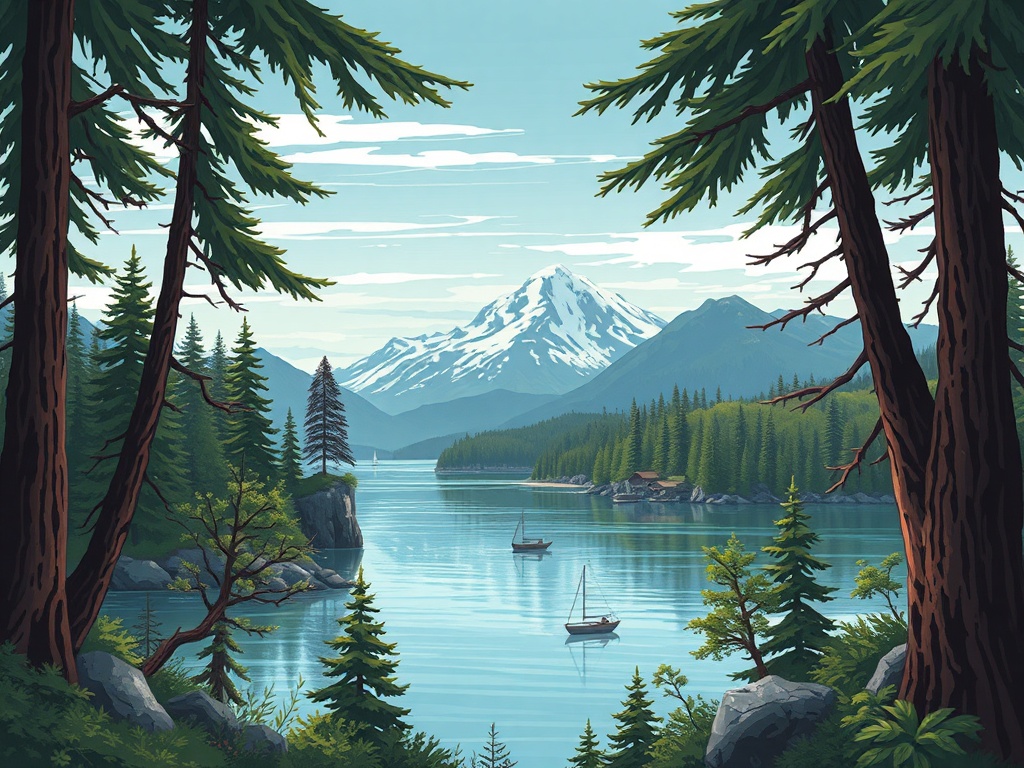
Place drought-tolerant plants on hot slopes and moisture-loving species in low spots.
– Layer plantings: Combine trees, shrubs, perennials, and groundcovers to mimic natural strata, giving wildlife food and shelter year-round.
– Replace turf strategically: Convert lawn to mixed native plantings or a rain garden to reduce irrigation and maintenance. Use stepping stones and mulched paths for access.
– Mulch and soil health: Apply organic mulch to conserve moisture and suppress weeds. Improve compacted soils with organic matter to encourage deep root growth.
– Avoid pesticides: Focus on cultural controls and plant diversity to manage pests. Pesticide reduction protects pollinators and aquatic life downstream.
Rain gardens and stormwater management
Rain gardens are a practical, attractive solution for handling roof and driveway runoff. Position them where water naturally collects, ensure they drain within a day or two, and use a mix of native sedges, rushes, and flowering perennials that tolerate both wet and dry periods. Properly designed rain gardens reduce erosion and filter contaminants before they reach streams.
Sourcing plants and avoiding invasives
Buy from reputable nurseries that specialize in native or locally-sourced plants. Avoid plants known to be invasive in the region—these can outcompete natives and harm riparian habitats. Ask nurseries about provenance and choose stock grown from local seed when possible.
Maintenance and long-term benefits
Expect an initial establishment period with some watering and weed control. Once established, native gardens typically require far less water and upkeep than conventional landscapes. Over time, they increase property resilience, enhance curb appeal, and create meaningful habitat for regional wildlife.
Small changes—like swapping part of a lawn for a native shrub bed or installing a rain garden—add up quickly. Whether you’re on a city lot, suburban yard, or rural acreage, designing with Pacific Northwest natives is a practical step toward a healthier, more beautiful landscape that works with the region’s climate rather than against it.
Leave a Reply