Seattle is a city of motion — not just the tech-driven economy that often dominates headlines, but the physical, cultural, and environmental changes reshaping neighborhoods and how people move through them. Whether you’re planning a visit, considering a move, or simply following urban trends, Seattle’s mix of transit expansion, waterfront renewal, and neighborhood reinvention offers a clear picture of a city adapting to new priorities.
Transit is central to that story. Regional light rail and bus rapid transit are extending access across the metro area, knitting downtown to the Eastside, north and south corridors, and key neighborhood hubs.
These investments are changing commuting patterns, boosting transit-oriented development, and making walkable, mixed-use neighborhoods more attractive for residents and businesses. For visitors, the light rail provides an easy alternative to driving — convenient links connect major transit hubs, downtown, and popular destinations, making it simpler to explore without a car.
The waterfront is another transformation people notice immediately. Where an elevated highway once separated the city from Elliott Bay, a rebuilt shoreline now emphasizes parks, promenades, and public access to the water. New plazas and pedestrian-friendly spaces invite markets, events, and daily strolls with skyline and ferry vistas — a dramatic shift toward public life on the waterfront that benefits residents and tourism alike.
Neighborhoods are evolving in parallel.
Outdoor-oriented enclaves from Ballard to Capitol Hill and Beacon Hill maintain distinct cultural flavors while adapting to demand for housing and amenities. Microbreweries, specialty coffee shops, and innovative restaurants continue to thrive alongside legacy institutions like Pike Place Market, which remains a must-visit for food, crafts, and waterfront views. At the same time, creative workspaces and boutique retail are spreading into formerly industrial corridors, reflecting a broader trend toward flexible, mixed-use urbanism.
Housing and affordability remain pressing issues. Rising demand has sparked new construction and adaptive reuse projects, particularly near transit corridors. Local efforts are focused on increasing diverse housing types — including accessory units and multifamily developments — and on policies aimed at preserving affordability and preventing displacement. These initiatives are also tied to climate resilience planning, as the city invests in green infrastructure, shoreline protections, and urban canopy restoration to counter flooding, heat, and other climate impacts.
Seattle’s outdoor lifestyle continues to be a major draw. The city’s parks, urban beaches, nearby mountain trails, and the ferry network to islands and peninsulas make it easy to mix city life with nature.
Recreational infrastructure — from bike lanes to waterfront trails — is expanding, encouraging active transportation and healthier neighborhoods.
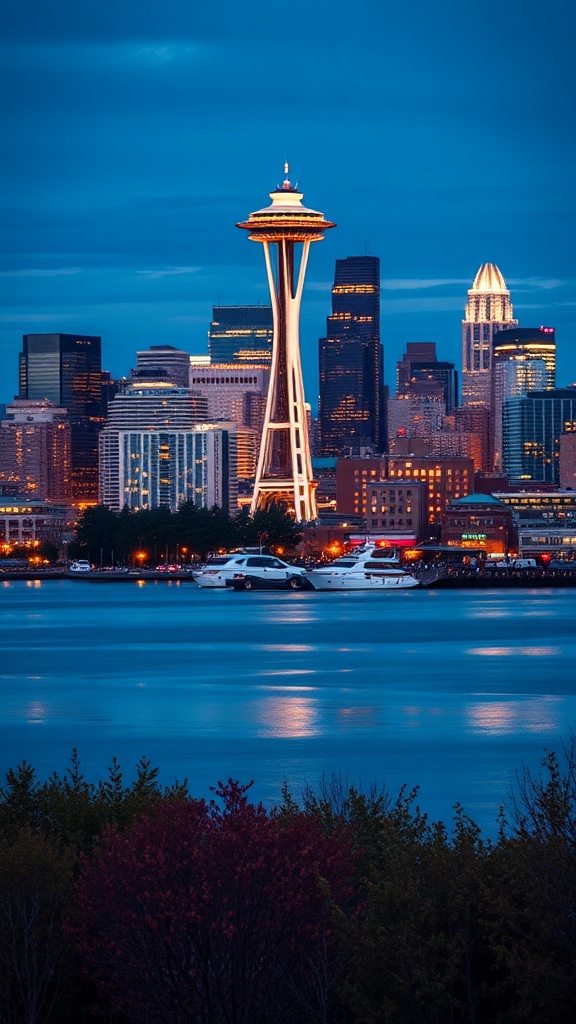
For visitors and locals looking to experience the city thoughtfully: use public transit to explore beyond downtown, stroll the waterfront and Pike Place Market early to avoid crowds, sample neighborhood coffee roasters and independent restaurants, and reserve time for a short ferry ride or a nearby hike. Watch neighborhood calendars for pop-up markets and outdoor concerts, which showcase the city’s creative pulse.
Seattle’s transformation is ongoing, combining infrastructure investments, neighborhood renewal, and sustainability priorities that aim to make the city more accessible, resilient, and livable. Those dynamics are shaping where people work, how they move, and the everyday experiences that define life in this unique Pacific Northwest city.
Leave a Reply