Gardening in the Pacific Northwest: Native Plants, Microclimates, and Water-Smart Strategies
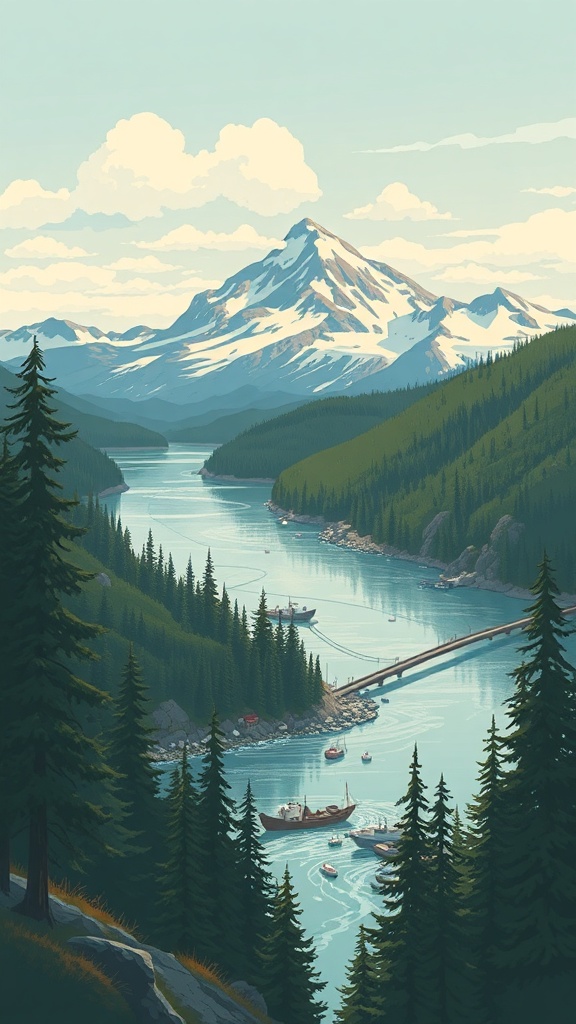
The Pacific Northwest offers a gardener’s paradise of lush forests, mild coastal breezes, and dramatic mountain backdrops. Success here hinges less on flashy exotics and more on understanding local microclimates, planting native species, and adopting water-smart, low-maintenance practices that support wildlife and reduce work.
Understand your microclimate
Rainfall, temperature swings, sun exposure, and soil type vary dramatically from coast to inland valleys and higher elevations.
Urban areas often create heat islands; coastal sites stay cooler and salt-spray tolerant; west-side gardens usually face damp, acidic soils and shade, while east-side yards get hotter, drier summers and more alkaline soils. Start with a simple site assessment: note hours of direct sun, prevailing wind, drainage patterns, and existing trees. A soil test is one of the best early investments—knowing pH and nutrient levels guides amendments and plant choice.
Choose native and resilient plants
Native plants are adapted to local conditions, require less water once established, and provide critical habitat for pollinators and birds. Strong regional choices include:
– Shrubs and small trees: Oregon grape (Mahonia), red-flowering currant (Ribes), serviceberry (Amelanchier), and Pacific ninebark (Physocarpus).
– Perennials and groundcovers: sword fern (Polystichum), camas (Camassia), native salal, and wild strawberry for sunny edges.
– Trees: Western red cedar, Douglas-fir, and bigleaf maple offer structure, shade, and ecosystem benefits where space allows.
For shade gardens, favor ferns, hellebores, and shade-tolerant natives. For sunny, dry slopes choose drought-tolerant grasses, native sages, and camas. Incorporate seasonal bloomers to provide nectar through spring and summer.
Water-smart landscaping
Rain is plentiful in many parts of the region, but dry summers and water restrictions mean efficient use is key. Build a rain garden to capture roof runoff and reduce erosion; its native wetland plants filter water and create wildlife habitat. Use drip irrigation and soaker hoses for new plantings, and group plants with similar water needs together (hydrozoning). Apply a generous layer of organic mulch to conserve moisture, reduce weeds, and slowly improve soil structure.
Support pollinators and wildlife
Plant a variety of bloom times and flower shapes to attract native bees, hummingbirds, and butterflies. Avoid broad-spectrum insecticides; integrated pest management (IPM) strategies—monitoring, hand removal, and targeted biological controls—protect beneficial insects. Provide shallow water sources and native shrubs for nesting and shelter.
Manage invasives thoughtfully
Some introduced species thrive at the expense of natives—English ivy, Himalayan blackberry, and Scotch broom are common offenders. Prioritize removal in key habitat areas and replant with natives to prevent erosion.
Mechanical removal combined with repeated follow-up and, where appropriate, targeted herbicide application is more effective than one-off efforts.
Design ideas that last
Layer plantings for year-round interest: evergreen structure, spring bulbs and shrubs for early food for pollinators, summer perennials, and seed heads for winter birds. Create paths and viewing spots to enjoy seasonal changes, and leave some leaf litter and dead wood in less-trafficked areas to benefit insects and fungi.
A resilient Pacific Northwest garden blends native species, smart water management, and habitat-minded design.
Whether you’re establishing a small urban plot or a larger suburban landscape, these practices reduce maintenance, support biodiversity, and create a garden that thrives with regional rhythms.
Leave a Reply