Pacific Northwest cities are redefining what urban nature looks like.
With abundant rainfall, temperate climates, and a strong conservation ethic, the region is uniquely positioned to build greener, more resilient communities by prioritizing native plants, expanding urban forests, and redesigning landscapes to manage stormwater naturally.
Why native plants matter
Native species evolved with local climate, soil, and wildlife, so they typically need less water once established and provide superior habitat for pollinators, birds, and beneficial insects. Selecting native trees, shrubs, and perennials creates a living network that supports biodiversity, reduces maintenance, and strengthens ecological resilience against pests and extreme weather.
Benefits of expanding urban forests
– Cooling and energy savings: Tree canopy reduces summer heat islands, cutting air-conditioning demand and improving comfort in dense neighborhoods.
– Air and water quality: Trees and native vegetation filter air pollutants and capture stormwater, reducing runoff and improving waterway health.
– Mental and physical health: Easy access to green spaces is linked to lower stress, increased physical activity, and stronger community ties.
– Wildlife corridors: Urban forests connect fragmented habitats, helping species move and adapt across human-dominated landscapes.
Practical strategies for cities and homeowners
– Prioritize native, drought-tolerant species: Choose plants adapted to local conditions—coast and inland choices differ—so landscapes thrive with minimal irrigation.
– Replace lawns with layered plantings: Converting turf to mixed beds of shrubs, grasses, and wildflowers reduces mowing, lowers water use, and boosts habitat value.
– Use rain gardens and bioswales: Integrating depressions planted with natives channels stormwater into the ground, recharging aquifers and reducing pressure on sewer systems.
– Protect and expand canopy where possible: Small yards, street tree plantings, and pocket parks all contribute to an overall canopy increase.
Adopt planting strips and tree wells in urban planning to make every square foot count.
– Emphasize soil health: Healthy soil retains water, supports microbial communities, and reduces the need for fertilizers.
Compost, mulch, and minimal soil disturbance are key.
Community action and stewardship
Neighborhood groups, native plant societies, and land trusts play essential roles—organizing plant exchanges, volunteer planting events, and educational workshops.
Partnering with municipal stormwater programs or local nurseries can amplify efforts: many cities offer rebates or free trees for homeowners who commit to planting native species.
Design tips for small spaces
Even balcony gardens can contribute. Try container plantings with native perennials and small shrubs, install pollinator-friendly window boxes, or add a vertical trellis with native vines. Bird baths, snags (standing dead wood where safe), and native grasses provide disproportionate benefits in compact landscapes.
Where to learn more
Look for local nurseries that specialize in native plants, regional native plant societies, watershed councils, and municipal urban forestry programs for plant lists, planting calendars, and best practices tailored to local microclimates. Volunteer restoration days and community plant sales are practical ways to gain skills and source appropriate plants.
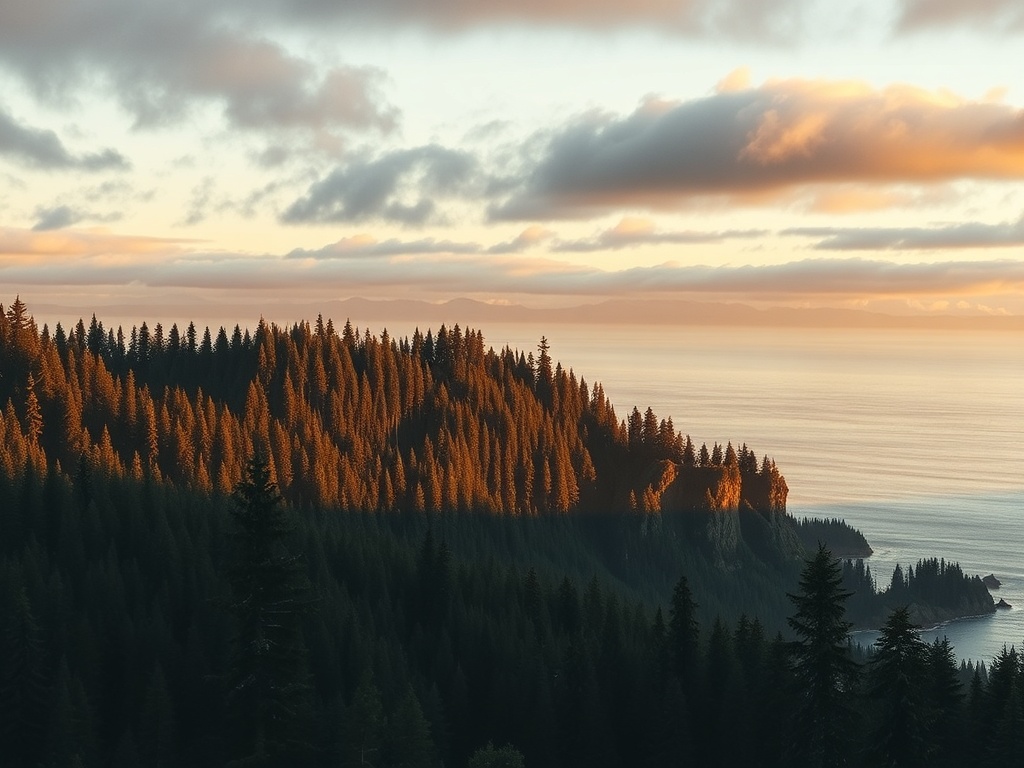
Making the Pacific Northwest’s urban areas greener isn’t just about aesthetics. It’s a practical investment in climate resilience, biodiversity, and community well-being.
Small, intentional choices—by planners, homeowners, and volunteers—add up to streets, yards, and neighborhoods that are cooler, cleaner, and more alive.
Leave a Reply