Seattle blends dramatic natural scenery, neighborhood character, and a restless appetite for innovation—making it a compelling destination for visitors and a dynamic place to live.
Whether you’re drawn to coffee culture, waterfront walks, or vibrant arts scenes, the city rewards curiosity with neighborhood discoveries and easy access to the region’s outdoors.
What to see and do
– Pike Place Market remains an essential stop: fresh seafood, local farms, and artisan stalls create a sensory-rich experience. Look for hidden alleys and small vendors for memorable finds beyond the main arcade.
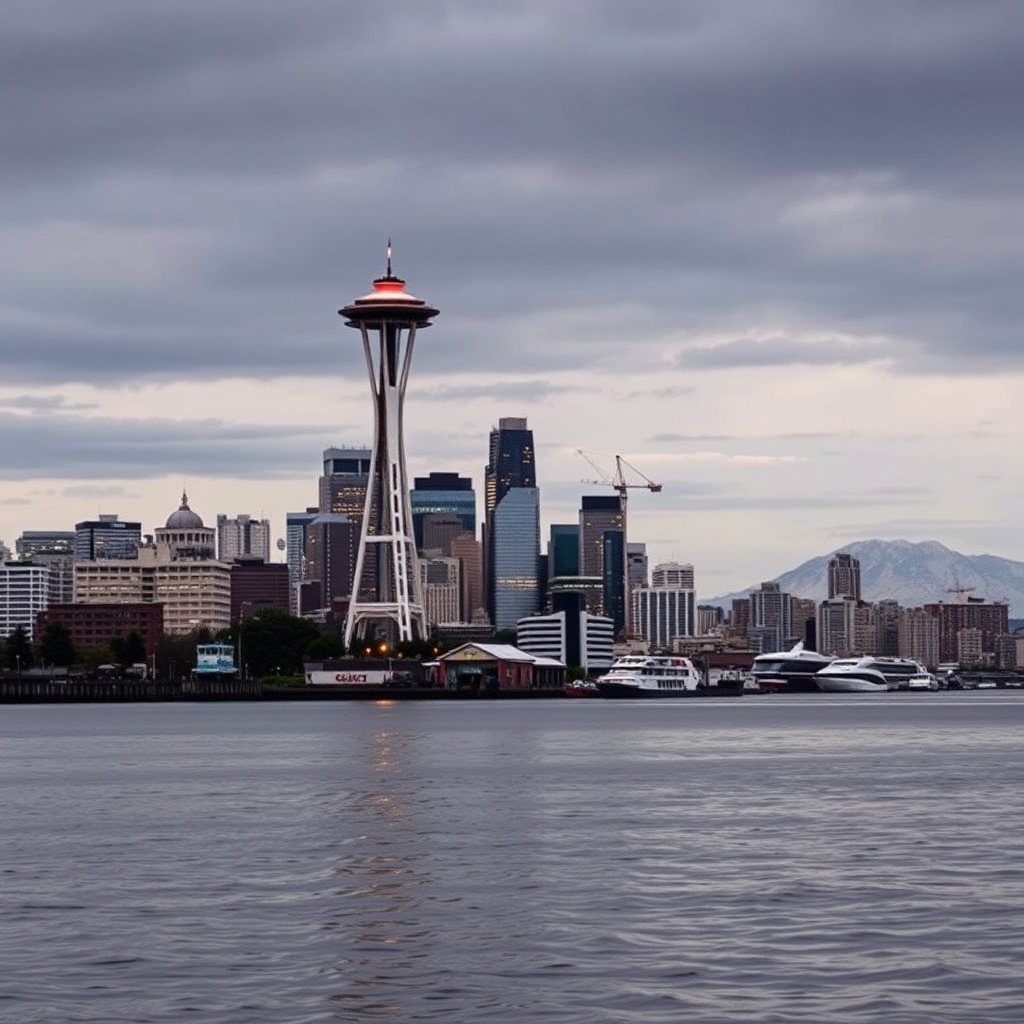
– The waterfront and ferry terminals offer scenic cruises across Puget Sound. Ferries are both practical transport and a chance to see the city skyline from the water.
– Iconic viewpoints—urban towers and nearby ridgelines—give sweeping views of the water, islands, and mountains. Neighborhood hills like Queen Anne and Capitol Hill offer walkable routes and coffee shops to linger in.
– Museums, live music venues, and independent theaters anchor the city’s cultural life. Keep an eye out for pop-up events and neighborhood festivals that showcase local artists and makers.
Neighborhood character
Each neighborhood has its own personality:
– Capitol Hill mixes nightlife, music, and progressive culture.
– Ballard brings maritime heritage, lively Sunday markets, and a strong craft-beer scene.
– Fremont is playful and arts-forward, known for public art and quirky public spaces.
– South Lake Union and the downtown corridor blend tech campuses, high-rise eateries, and easy lake access.
Outdoor access and climate
Seattle’s temperate climate means outdoor activities are part of everyday life. Urban trails, waterfront promenades, and nearby mountain ridges provide hiking, cycling, and winter-sport access within easy reach. Layering clothing and carrying a light rain layer are practical habits—weather can shift quickly from bright sun to soft rain.
Food, drink, and local flavors
Seafood is a standout: freshly caught salmon, oysters, and other Pacific Northwest favorites feature on many menus. The city’s coffee culture isn’t just about big-name cafés—independent roasters and neighborhood espresso bars offer thoughtful brewing and seasonal beans. Small-batch bakeries, pop-up kitchens, and a thriving food-truck scene contribute to diverse culinary options.
Getting around
Public transit continues to evolve, with bus networks, light rail extensions, and ferries connecting neighborhoods and suburbs. An all-access transit card simplifies transfers across modes. For shorter trips, rideshares, scooters, and bike lanes make last-mile connections easy.
Parking downtown can be limited and expensive, so consider transit for peak times.
Sustainability and innovation
Seattle frequently emphasizes green initiatives: electric ferries, expanded bike infrastructure, and incentives for energy-efficient buildings are common threads. Local markets and farm-to-table restaurants support regional agriculture, and many neighborhoods organize community gardens and zero-waste events.
Practical tips
– Dress in layers and keep a compact rain layer handy.
– Explore neighborhoods on foot to discover local shops and cafés.
– Check event calendars for neighborhood markets, live music, and food pop-ups.
– If planning to explore islands or mountain trails, pack appropriate gear and check trail or ferry status before heading out.
Seattle continues to evolve while keeping a strong sense of place: water, mountains, neighborhoods, and a fiercely local food and arts scene.
Plan to move at a relaxed pace, follow local leads, and let the city’s contrasts—urban energy and wild landscapes—shape your experience.
Leave a Reply