Seattle’s Waterfront: A Practical Guide to Exploring the Shoreline and Beyond
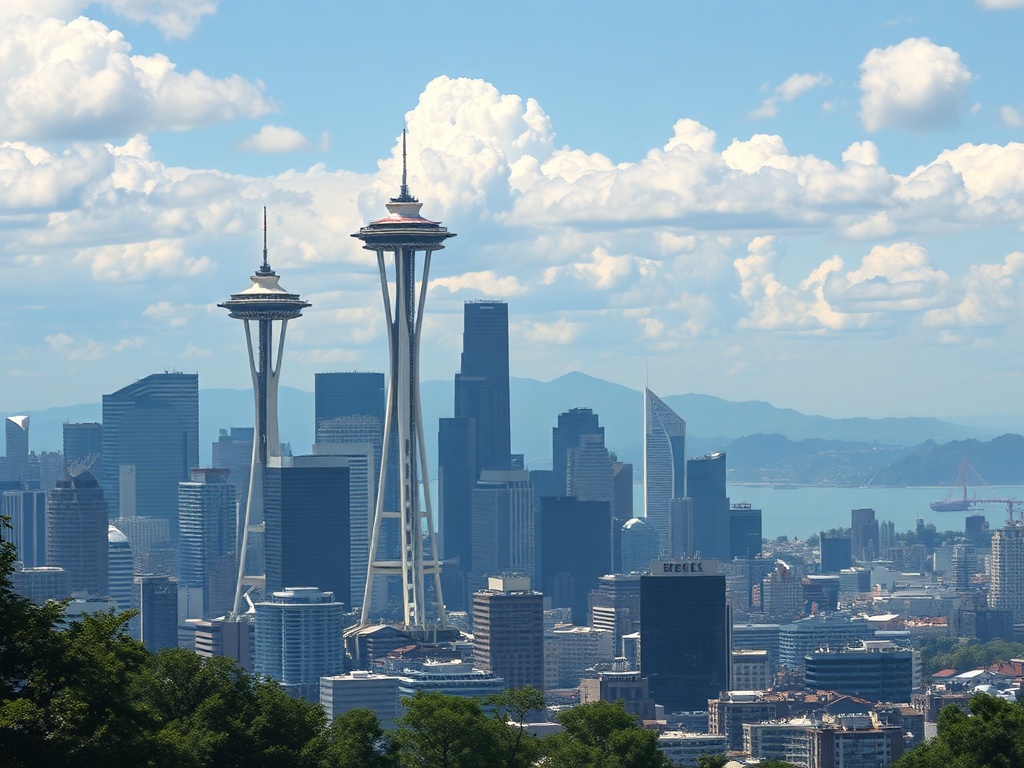
Seattle’s waterfront blends iconic attractions, fresh seafood, and sweeping views of Elliott Bay and the Olympic Mountains. Whether you have a few hours or a full day, this walking-friendly corridor offers a compact taste of the city’s character—maritime history, public art, and easy access to ferries and neighborhoods across the sound.
Where to start
Begin at Pike Place Market to soak up the city’s most famous neighborhood. Wander through stalls of seasonal produce, artisan goods, and tiny restaurants. Don’t miss the fish market theatrics, and step into Post Alley for cobblestones, coffee nooks, and unique shops before descending to the waterfront promenade.
Must-see stops along the waterfront
– Seattle Aquarium: A family-friendly stop with regional marine life exhibits and touch tanks.
– Great Wheel: The Ferris wheel on Pier 57 offers panoramic views of the bay and skyline—opt for a sunset ride when skies are clear.
– Waterfront Park and piers: Stroll the wide promenade for photo ops, public art, and benches with bay views.
– Olympic Sculpture Park: A short walk north, this free outdoor museum blends modern sculpture with waterfront green space.
– Historic Pioneer Square: Head inland for galleries, boutique shops, and the famous underground tours that reveal the city’s early architecture and stories.
Getting around
Public transit is efficient for reaching the waterfront from many points. Regional light rail and buses connect to downtown; the monorail links the downtown core to the Seattle Center.
For destination hopping across water, ferries and water taxis provide scenic transport to West Seattle, Bainbridge Island, and other nearby communities—ideal for turning a waterfront visit into an island day trip.
Food and drink
Fresh seafood dominates the menu: chowder, oysters, and locally caught salmon are staples. Small seafood shacks share space with chef-driven restaurants and casual bakeries.
For coffee, seek out independent roasters and cozy espresso bars tucked into alleyways—Seattle’s specialty-coffee scene is as much about neighborhood cafes as it is about any single brand.
Practical tips
– Dress in layers and bring a lightweight rain shell—coastal weather can change quickly, even on otherwise pleasant days.
– Wear comfortable shoes; the area has both flat promenades and historic stairways.
– If mobility access is important, the main promenade and most piers are wheelchair-friendly; check specific venue accessibility pages for details.
– Refillable water stations are common; bring a bottle to reduce waste.
– Visit early to avoid peak crowds at popular attractions and markets.
Hidden gems and local experiences
For quieter moments, explore the lesser-known pedestrian routes between the market and piers, or book a short kayak tour to view the skyline from the water. Ferry rides to nearby islands reveal different coastal communities with their own food scenes and walking trails. Seek out pop-up markets and seasonal festivals—these often highlight local makers and musicians.
Why the waterfront matters
The waterfront encapsulates the city’s maritime roots while showcasing contemporary priorities: public access to the shoreline, sustainable seafood, and multimodal transit options. It’s an accessible, compact way to experience both the natural setting and civic vibrancy that define the broader region.
Plan a flexible itinerary: mix iconic sights with a few offbeat discoveries, and leave room to linger at a cafe or on a bench overlooking the bay.
The waterfront rewards curiosity, good walking shoes, and an appetite for fresh air and fresher seafood.
Leave a Reply