Portland: A Model for Sustainable Urban Living and Vibrant Neighborhood Life
Portland’s mix of walkable neighborhoods, abundant green space, and strong local culture makes it a city that keeps attention from visitors and residents alike. For anyone curious about urban sustainability, food culture, or neighborhood life, Portland offers a living case study in balancing growth with community character.
Sustainable transportation and active mobility
Portland has long emphasized alternatives to driving.
The city’s network of bike lanes, protected cycle tracks, and multi-use paths makes cycling a practical daily choice for many people. Light rail, frequent bus service, and expanding micro-mobility options like e-scooters help reduce reliance on cars while connecting neighborhoods across the metro area. Transit-oriented developments and new mixed-use corridors focus on shorter commutes and accessible amenities — a priority for people looking for a lower-carbon, more active lifestyle.
Green spaces and urban nature
One of Portland’s defining strengths is its parks and access to nature. Large urban forests and neighborhood parks provide trail systems, dog-friendly areas, and tranquil escapes within city limits. Riverfront revitalization projects and waterfront parks along the Willamette offer public access, recreational programming, and scenic views that support both community events and quiet afternoons outside. These green assets support public health, wildlife corridors, and improved stormwater management in a rainy, temperate climate.
Food, drink, and creative culture
Portland’s food scene continues to be a major draw. From vibrant food cart pods and neighborhood cafés to acclaimed restaurants and artisan bakeries, the city maintains a strong ethos of local sourcing and culinary experimentation. The coffee culture here is sophisticated and approachable, while craft breweries, small wineries, and cideries showcase Pacific Northwest flavors. Cultural venues, independent bookstores, galleries, and live music spaces keep neighborhood streets lively and creative.
Housing, neighborhoods, and livability
The city’s neighborhoods each offer distinct personalities — from tree-lined residential streets and historic homes to dense, mixed-use corridors with new housing options. Efforts to diversify housing types through accessory dwelling units (ADUs) and small multi-family developments aim to increase affordability and density in walkable locations.
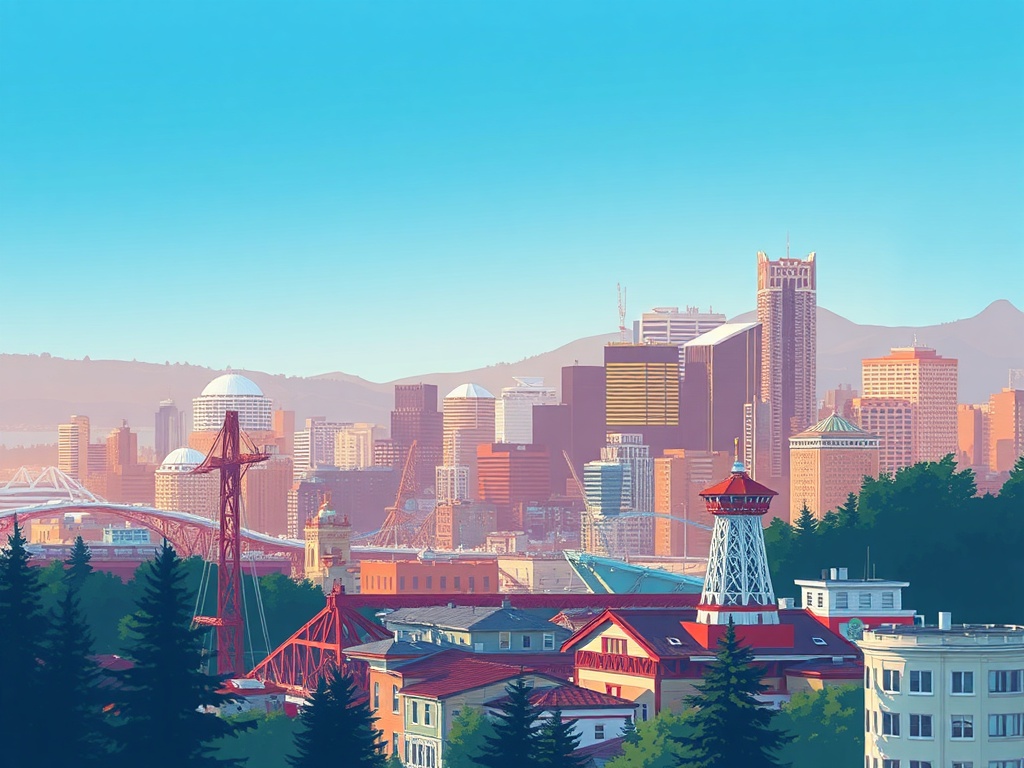
As with many growing urban regions, housing affordability and equitable access to services are active topics of debate, and community-led planning plays a big role in shaping neighborhood outcomes.
Practical tips for visitors and new residents
– Get around without a car: Try biking or using transit for short trips to experience neighborhoods more intimately.
– Explore on foot: Many best-loved businesses are clustered along walkable streets and commercial corridors.
– Visit food cart pods: They offer a quick, affordable way to taste the city’s culinary diversity.
– Pack for changeable weather: Layers and waterproof gear work well for outdoor plans.
– Seek out local events: Farmers markets, neighborhood festivals, and outdoor concerts are great ways to connect.
Why Portland matters
Portland’s approach to sustainable planning, combined with an inventive food-and-arts scene, makes it a standout urban model. The city continues to experiment with policy, design, and community engagement to support a more livable, resilient future.
Whether you’re exploring for a weekend or planning a move, Portland offers a compelling mix of nature, culture, and progressive urbanism that rewards curiosity and participation.
Leave a Reply