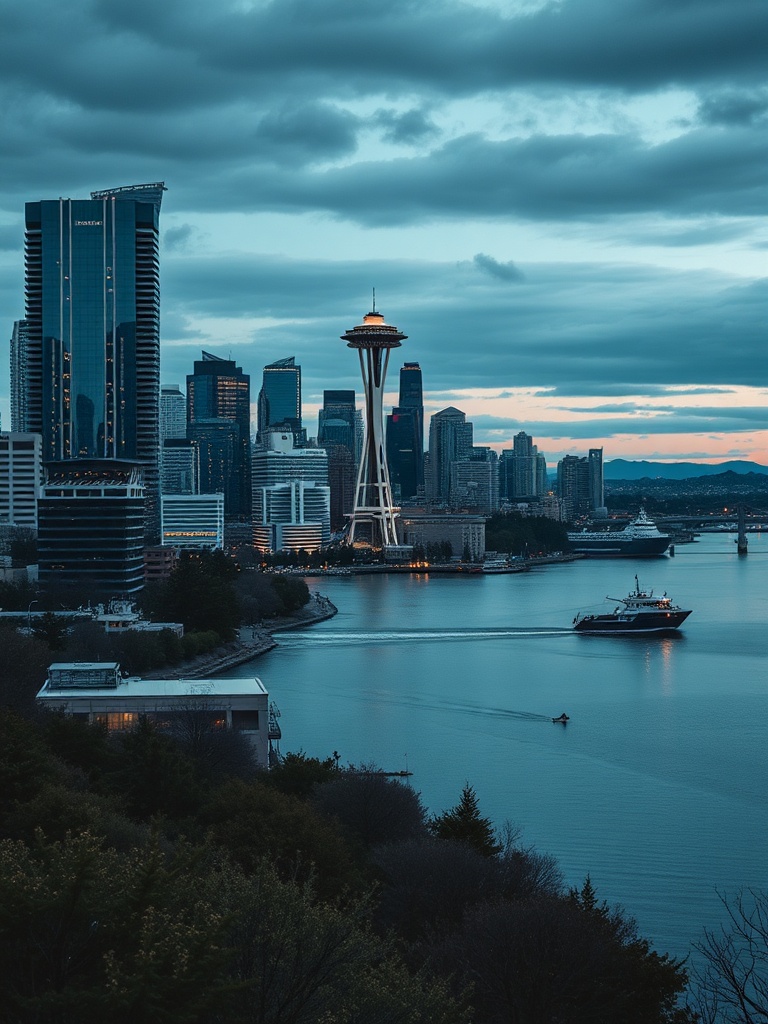
Seattle’s waterfront has been quietly reinventing itself, blending iconic attractions with new public spaces, resilient infrastructure, and a thriving food scene. Whether you’re a first-time visitor or a longtime resident, the revitalized shoreline offers plenty to explore beyond the usual postcard shots of the Space Needle and Pike Place Market.
What to see and do
– Pike Place Market remains a must-visit for fresh produce, seafood stalls, and independent vendors. Wander the upper levels for artisanal finds and duck into the lesser-known alleys for specialty coffee and handcrafted goods.
– The waterfront promenade connects key hubs: piers with ferris wheels and seafood restaurants, public plazas with art installations, and quieter parks that open onto Elliott Bay.
Look for the outdoor sculptures and temporary events that frequently animate these spaces.
– For cultural stops, the Olympic Sculpture Park offers waterfront trails and large-scale art in a setting designed for strolling. Pioneer Square and the historic piers nearby provide a contrast of old brick buildings and modern adaptive reuse projects.
– Waterborne adventures are abundant: short ferry rides to nearby islands, scenic boat tours, and kayaks launching from urban beaches let you experience the city from the water.
Food and drink highlights
Seattle’s culinary identity is anchored by seafood and coffee, but the city’s palate is broader than ever. Sample freshly shucked oysters, a steaming bowl of chowder, or inventive shellfish dishes at family-run counters and chef-driven restaurants alike. Microbreweries and craft cocktail bars continue to flourish, and a wave of new eateries highlights regional and global flavors. Pike Place’s stalls are great for quick bites; for a quieter meal, explore side streets into Belltown, Capitol Hill, or the International District.
Getting around
The waterfront’s accessibility has improved with expanded transit options and investments in walking and biking infrastructure.
Light rail and frequent buses make downtown arrival simple from many parts of the region, while bike-share and scooter programs cover short trips along the shoreline. Parking remains limited and often expensive, so public transit is the practical choice for most visitors.
Sustainability and resilience
Waterfront planning increasingly prioritizes climate resilience.
New shoreline projects incorporate sea-level considerations, stormwater management, and native plantings to support wildlife and reduce erosion. Many public spaces also emphasize year-round accessibility, with seating, shelter, and lighting designed to work through the city’s variable weather.
Tips for a better visit
– Start early to avoid the biggest crowds at popular stalls and piers; afternoons can be markedly busier.
– Dress in layers—Seattle’s weather can switch between sun and drizzle within hours.
– Explore beyond the main tourist loop: neighborhoods like Pioneer Square, Belltown, and South Lake Union offer complementary galleries, small restaurants, and quieter green spaces.
– If you want a water view without the crowds, walk a bit farther along the promenade toward the less central parks or take a short ferry ride to a neighboring island for scenic hikes and local cafés.
Why it matters
The waterfront’s transformation reflects Seattle’s broader urban evolution: a push toward public space, climate-aware design, and mixed-use neighborhoods that support local businesses. It’s a place where maritime heritage meets modern civic ambition, and where daily life mixes with the steady flow of visitors.
For anyone exploring the city, the waterfront offers a concentrated slice of Seattle’s character—immersive, evolving, and built for both connection and discovery.
Leave a Reply