Salmon restoration is one of the most important and visible conservation efforts across the Pacific Northwest. From mountain headwaters to tidal estuaries, salmon are a cornerstone species—supporting tribal cultures, commercial fisheries, recreational anglers, and the broader ecosystem. Recent attention on habitat restoration, dam removal, and community-led stewardship is reshaping how salmon recover and coexist with growing urban and agricultural landscapes.
Why salmon matter
Salmon act as nutrient conveyors: when adult fish return to spawn, they bring marine-derived nutrients upstream, fertilizing forests and feeding bears, birds, and other wildlife.
Tribal communities rely on salmon for food and cultural practices, and coastal economies depend on healthy runs. Because salmon require clean, cold water and connected river corridors, their health reflects the condition of entire watersheds.
Major restoration strategies
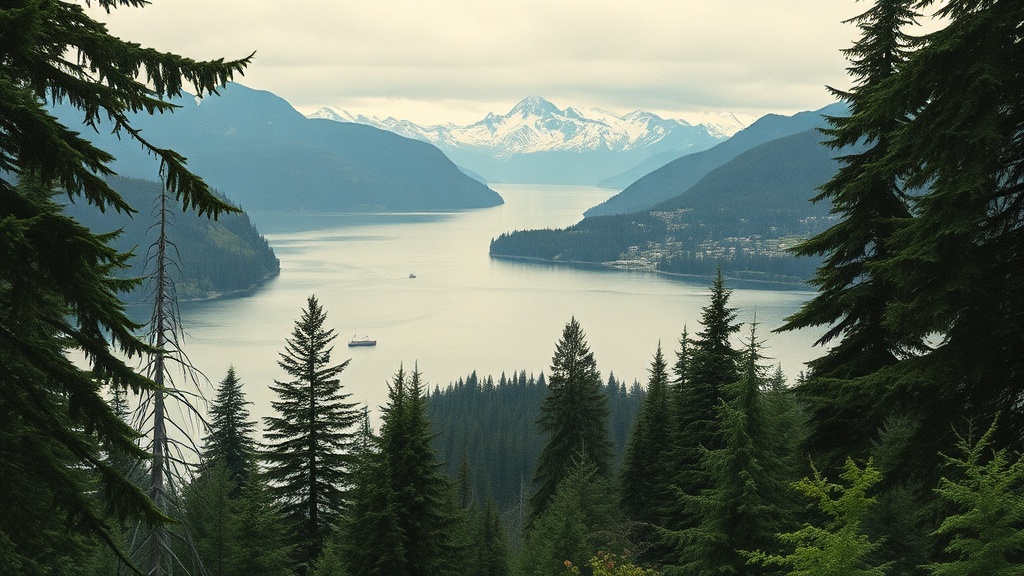
– Dam removal and fish passage: Removing outdated or obstructive dams and installing modern fish passage systems restores access to historic spawning grounds.
Projects that reopen tributaries can rapidly increase habitat availability for multiple salmon species.
– Estuary and wetland restoration: Rebuilding tidal marshes and estuaries improves juvenile salmon survival by providing feeding and refuge areas while buffering storm surges and sea level impacts.
– Riparian reforestation: Planting shade trees and native vegetation along streambanks cools water temperatures, reduces erosion, and creates insect-rich food sources for juvenile salmon.
– Culvert replacement and road improvements: Replacing undersized or perched culverts restores stream continuity, allowing fish to move freely between habitats that are essential for different life stages.
– Hatchery reform and wild stock protection: Balancing hatchery production with wild-stock conservation is a continual management focus.
Emphasis on genetically informed hatchery practices and habitat-first solutions helps reduce negative impacts on wild populations.
Tribal leadership and partnerships
Tribal nations remain primary stewards of salmon, bringing centuries of ecological knowledge to restoration work. Collaborative partnerships between tribes, state and federal agencies, NGOs, and private landowners are increasingly common, ensuring projects respect treaty rights and cultural priorities while leveraging diverse funding and technical expertise.
Challenges to recovery
Climate-driven changes—warmer stream temperatures, altered flow regimes, and shifting ocean conditions—compound local stressors like pollution, habitat fragmentation, and invasive species. Urbanization increases stormwater runoff and contaminant loads, while agricultural water withdrawals can reduce summer flows. Addressing these cumulative impacts requires landscape-scale thinking and policies that prioritize watershed resilience.
How communities can help
– Volunteer for river and estuary restoration projects, tree plantings, or beach cleanups.
– Support tribal-led initiatives and organizations focused on salmon recovery.
– Reduce stormwater pollution by using rain gardens, permeable surfaces, and proper disposal of household chemicals.
– Advocate for policies that protect riparian corridors, fund culvert replacements, and limit new barriers to fish passage.
– Choose sustainably sourced seafood and learn about local fishery management practices.
The path to robust salmon populations is complex but actionable.
Combining scientific restoration methods, tribal stewardship, and community engagement builds resilience in watersheds and honors the cultural and ecological importance of salmon. Every small action—planting a native tree, supporting a local restoration group, voting for habitat protection—adds up, helping these iconic fish thrive across the Pacific Northwest.
Leave a Reply