Seattle’s waterfront blends urban energy with Pacific Northwest nature, making it one of the city’s most magnetic corridors. Whether arriving by ferry, light rail, or on foot from downtown, visitors find a compact mix of fresh seafood, public art, maritime history, and water-facing green space — all easy to explore in a single day or stretch into a longer outing.
Top sights and experiences
– Pike Place Market: A short walk from the piers, this iconic market is a must for fresh fish, artisan foods, and local crafts. Watch the fishmongers toss salmon, sample seasonal produce, and browse specialty shops tucked into historic passageways.
– Seattle Aquarium: Focused on Salish Sea ecosystems, the aquarium showcases regional marine life including octopus, salmon, and tidepool touch tanks. Exhibits emphasize conservation and offer family-friendly programming.
– Waterfront Park and Pierviews: The renovated promenade and park spaces invite strolling, cycling, and pause for views of the Olympic Mountains and Elliott Bay. Benches and viewpoints make it easy to watch ferries and freighters glide by.
– The Seattle Great Wheel: This illuminated Ferris wheel provides panoramic views of the skyline and harbor. Night rides are especially striking when the city lights reflect on the water.
– Public art and sculpture: The waterfront hosts rotating installations and permanent pieces that connect maritime history with contemporary urban life. A walkable art trail complements the green spaces and piers.
– Ferry and water taxis: Short ferry trips connect the downtown waterfront to nearby islands and peninsulas, offering a scenic transit option that doubles as a sightseeing tour.
Where to eat
Seafood dominates waterfront menus, from casual clam shacks to sit-down restaurants specializing in oysters, Dungeness crab, and sustainably sourced salmon. For a quick bite, look for seafood counters and food stalls offering chowder in sourdough bowls or grilled skewers. For a relaxed meal with views, choose a waterfront patio and time the visit for sunset to combine food with scenery.
Getting around
The waterfront is highly walkable, with bike lanes and pedestrian-friendly promenades.
Public transit links include light rail and frequent bus routes to nearby neighborhoods, plus ferries for regional connections. Ride-shares and bike-share options are plentiful for short hops. Parking near the piers fills quickly during busy periods, so consider transit or arriving early to avoid circling.
Practical tips
– Dress in layers and bring a light rain jacket; coastal weather can shift quickly and breezes off the water cool the air.
– Weekdays and early mornings are ideal for smaller crowds at markets and viewpoints.
Evenings bring a livelier dining scene and illuminated skyline views.
– Look for sustainability-focused vendors and restaurants advertising local sourcing and waste reduction practices, reflecting the city’s environmental priorities.
– Accessibility is strong along the main promenade, but check individual attractions for specific mobility accommodations and sensory-friendly offerings.
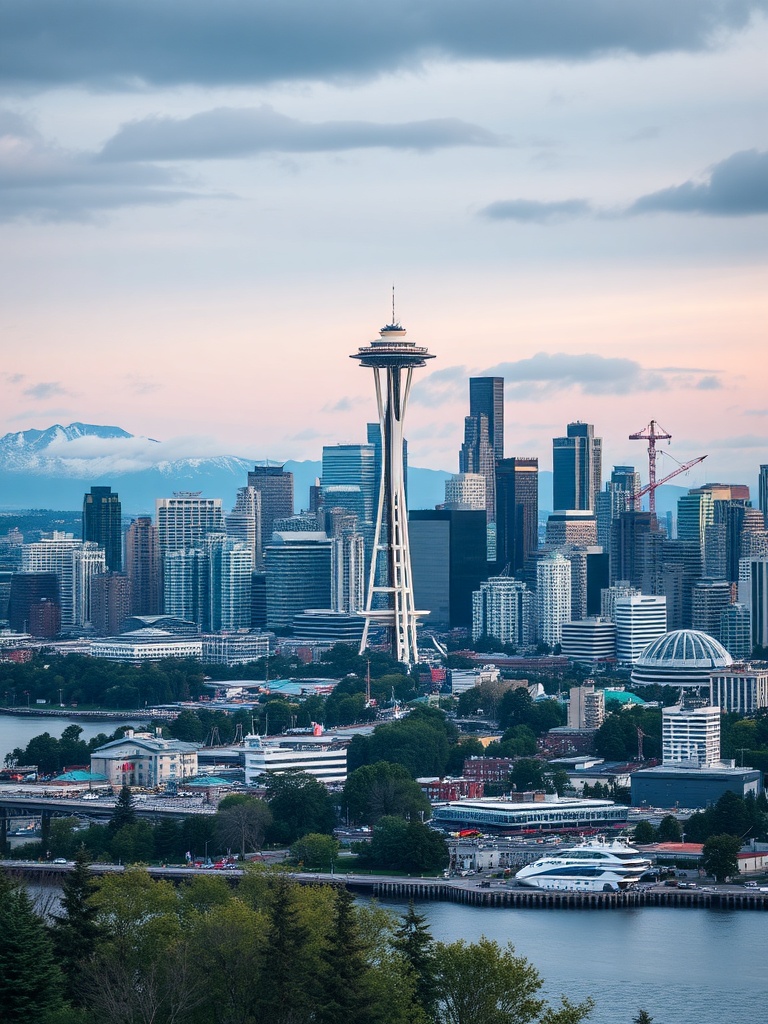
Why the waterfront matters
The waterfront acts as a cultural crossroads — a place where maritime heritage meets contemporary urban life.
Ongoing investments in public space, pedestrian access, and environmental restoration make it a vibrant model of coastal city revitalization. For residents and visitors alike, the waterfront offers a compact, sensory-rich way to experience Seattle’s food culture, outdoor recreation, and waterfront views.
Plan a visit around interests — art and museums, fresh food, or simply a scenic walk — and leave room for serendipity. The waterfront rewards slow exploration, with surprises tucked between piers, parks, and public art.
Leave a Reply