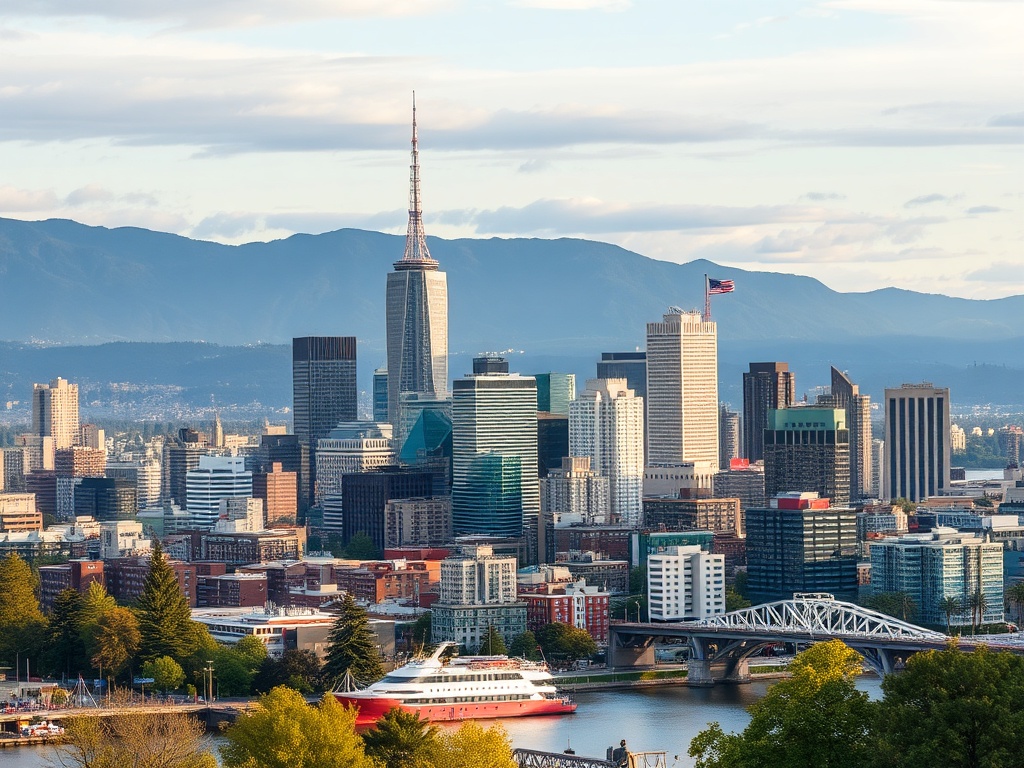
Portland Oregon blends lush natural escapes, a celebrated food and drink scene, and a nimble urban culture that keeps drawing curious visitors and new residents. Whether planning a weekend visit or weighing a move, understanding what makes Portland unique helps make the most of the city’s neighborhoods, outdoor offerings, and evolving civic character.
What to see and where to go
– Neighborhoods: Each district offers a distinct vibe. Northwest Portland is known for quaint shops and historic homes; the Pearl District mixes galleries and condos with high-end dining; Southeast’s Division and Hawthorne corridors pulse with indie boutiques and late-night cafés; and Alberta Arts District showcases murals, galleries, and monthly art walks.
– Parks and nature: Forest Park provides miles of shaded trails right at the city’s edge, while Washington Park houses gardens, museums, and elevated viewpoints. For a quick urban escape, the Eastbank Esplanade and Waterfront Park offer scenic riverfront walks and bike paths.
– Unique attractions: Makerspaces, pop-up markets, and local distilleries reflect Portland’s maker culture. Frequent farmers markets and craft fairs keep small businesses visible and accessible.
Portland’s food and drink scene
The city remains a destination for approachable, ingredient-driven dining. Food carts and micro-restaurants offer creative, affordable options across neighborhoods—ideal for sampling diverse flavors on a tight schedule. Microbreweries and craft distilleries continue to thrive, and coffee culture remains a daily ritual.
Look for farm-to-table menus and chef-driven tasting rooms when seeking standout meals.
Getting around
Public transit is centered on a light rail and bus network that connects downtown with key neighborhoods and suburbs; ride-sharing and a strong bike culture supplement transit options. Bike lanes and protected paths make cycling practical for many commuters and leisure riders, and the city’s walkable districts reward pedestrians. Parking can be limited in busy corridors—plan for transit or paid parking near popular sites.
Practical tips for visitors and new residents
– Pack layers: Portland’s weather tends to shift during the day, so lightweight rain gear and adaptable clothing work best.
– Book popular restaurants and tours ahead: Reservation-only popular spots and limited-seat experiences can fill quickly.
– Explore beyond downtown: Neighborhoods off the central grid often deliver the city’s most authentic moments—local cafés, galleries, and live music venues.
– Support local businesses: Farmers markets, independent bookstores, and neighborhood shops are central to Portland’s economy and character.
Sustainability and urban development
Sustainability is integral to Portland’s identity. Urban growth management, resilient infrastructure projects, and emphasis on walkable, transit-oriented neighborhoods shape planning.
Energy-efficient building retrofits and expanded green spaces reflect ongoing priorities. Meanwhile, housing affordability and supportive services remain central topics in community and policy conversations, with local organizations and city initiatives working toward practical solutions.
Why Portland still stands out
Portland balances outdoor access and urban amenities, making it appealing for those who love food, nature, and creative communities. The city’s neighborhoods reward exploration, and its local-first ethos keeps new and longtime residents invested in the everyday culture. For travelers and those considering relocation, Portland offers a blend of lifestyle options grounded in community, sustainability, and a persistent appetite for innovation.
Leave a Reply