Pacific Northwest travel: how to explore this lush, wild region responsibly
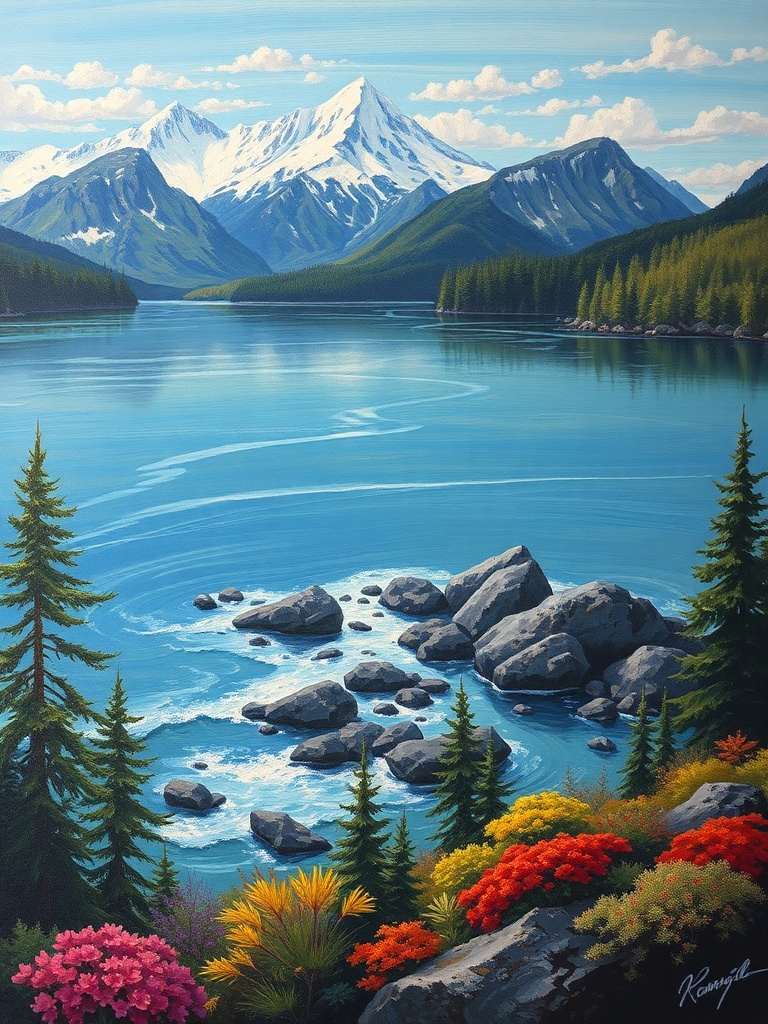
The Pacific Northwest is a mix of mossy temperate rainforests, rugged coastlines, glacier-capped peaks, and vibrant urban centers.
Whether you’re drawn by epic hiking, whale watching, or a legendary coffee scene, thoughtful planning helps you enjoy the best of the region while protecting the places you love.
Where to go and what to do
– Coastal adventures: Tidepooling along rocky shores, exploring sea stacks, and driving scenic coastal highways showcase the region’s marine biodiversity.
Check tide charts and step lightly among anemones, barnacles, and mussels.
– Island escapes: Ferry rides to the San Juan Islands or Vancouver Island offer calm waters, kayaking, and chances to spot orcas and gray whales from shore-based viewpoints.
– Mountain recreation: Trails range from easy forest strolls to alpine scrambles. Popular ranges include volcanic peaks and ice-carved ridges. Glacial retreat has changed some routes; consult recent trail reports and local rangers for up-to-date conditions.
– Forests and waterfalls: Old-growth stands and temperate rainforests are signature ecosystems. Waterfall hikes in gorge country provide spectacular photography opportunities and cool summer escapes.
– Urban culture and cuisine: Cities offer exceptional seafood, farm-to-table dining, craft breweries, and coffee roasters. Neighborhood markets and food halls highlight seasonal produce and sustainably harvested seafood.
Practical tips for a safe, enjoyable trip
– Layer and prepare for changeable weather: Even on clear mornings, coastal fog and mountain storms can move in quickly. Pack rainproof outer layers and insulating mid-layers.
– Respect tide schedules and coastal hazards: Rogue waves and fast-moving tides are real hazards. Keep a safe distance from cliff edges and never turn your back to the ocean on exposed shorelines.
– Trail safety: Carry a map, headlamp, and basic first-aid kit.
For longer backcountry trips, bring navigation tools and a reliable way to share your itinerary with someone off-trail.
– Wildlife awareness: Observe wildlife from a distance. In areas with bears or cougars, store food in approved containers and follow local guidance about noise and bear spray. For marine mammals, give whales and seals ample space; boats and kayaks should follow local approach regulations.
– Fire-smart behavior: Fire risk varies by season and location. Follow local burn restrictions, use designated fire rings, and fully extinguish fires. Pack a lightweight stove for cooking where open fires are prohibited.
Leave-no-trace and sustainable travel
Minimizing your footprint preserves fragile habitats.
Stick to durable surfaces, pack out all trash, and avoid disturbing marine life and nesting birds.
Choose accommodations and tour operators that prioritize sustainability—look for businesses that support habitat restoration, use renewable energy, or source food locally.
Getting there and getting around
Public transit, regional rail services, and ferry systems are often convenient ways to move between urban centers and coastal or island destinations. Renting a hybrid or low-emission vehicle reduces the carbon impact of longer drives. For short hops, biking and combining transit with ride-shares help reduce congestion in popular trailheads.
Why it matters
The Pacific Northwest’s dramatic landscapes are resilient but not immune to pressures like increased visitation, habitat loss, and changing climate patterns. Responsible travel supports local economies while helping protect the ecosystems that make the region unique.
Before you go, check local park alerts and transportation schedules, pack smart, and prioritize low-impact activities. With a bit of preparation and respect for local rules, your visit can be both memorable and restorative—for you and the places you visit.
Leave a Reply