Exploring the Pacific Northwest’s Urban and Wild Green Spaces
The Pacific Northwest is prized for its dramatic coastlines, mossy temperate rainforests, and vibrant city parks.
From windswept beaches and tidal pools to canopy-covered trails and waterfront promenades, the region offers easy access to nature whether staying in a city or venturing into the backcountry. A few smart habits help make every trip safer, more enjoyable, and more sustainable.
Plan for variable weather and air quality
Weather can change quickly—sunny mornings often give way to coastal fog or sudden rain—so dressing in layers is essential.
A lightweight waterproof shell, moisture-wicking base layer, and a warm mid-layer provide flexibility without bulk. Check local forecasts before heading out and keep an eye on the air quality index; wildfire smoke can occasionally drift into the region and impact visibility and breathing. Carry a reusable water bottle and snacks, and always tell someone where a longer route will go.
Coastal safety and tide awareness
Tide tables are crucial on the coast. Many popular beaches and headlands have narrow access points that can become cut off at high tide, and slippery rocks and rogue waves pose real hazards. Stay back from the surf on unfamiliar shorelines, watch for sudden surges, and give seals, birds, and other wildlife a wide berth. If exploring tide pools, step gently and avoid overturning rocks—many intertidal creatures are fragile and slow to recover from disturbance.
Respect ecosystems and cultural sites
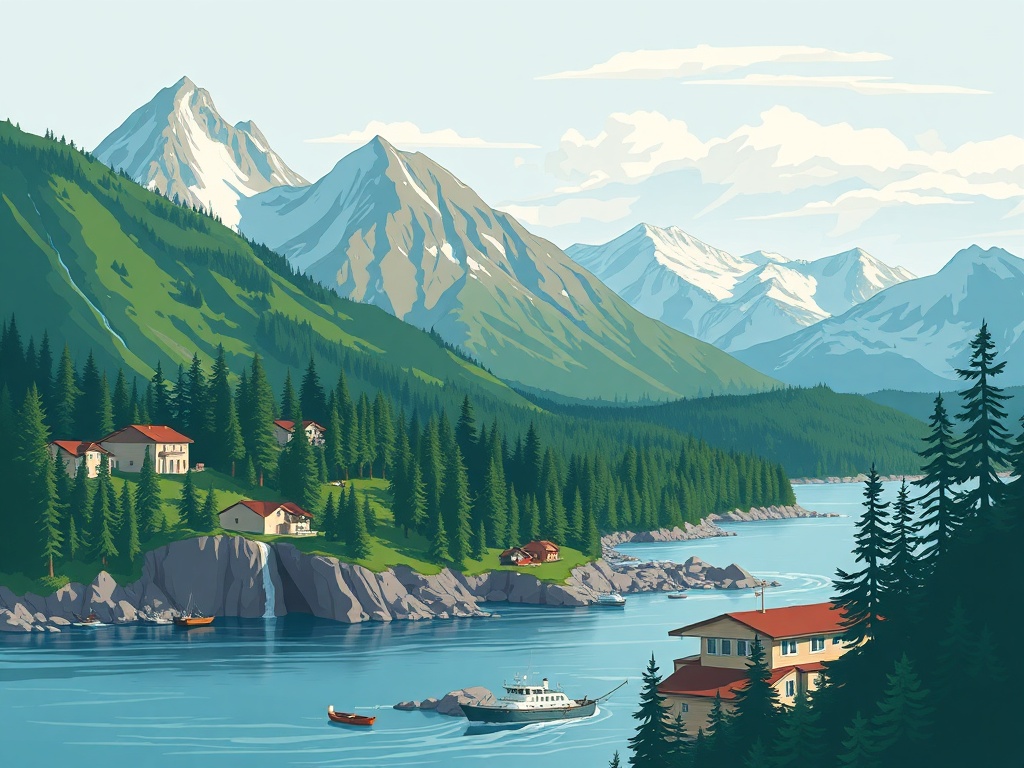
Leave No Trace principles are well-suited to the Pacific Northwest’s sensitive habitats. Pack out trash, minimize campfire impacts where fires are allowed, and stay on established trails to protect understory plants and soils.
Many areas are home to Indigenous cultural sites and ongoing stewardship projects; follow signage, respect closures, and support local conservation efforts when possible.
Foragers should learn regulations and sustainable harvesting techniques—some species require permits or are protected, and overharvesting can disrupt local food webs.
Discover native plants and urban greening
Native plantings are the backbone of resilient Pacific Northwest landscapes. Salal, Oregon grape, sword fern, red-flowering currant, and native grasses provide habitat and require less water once established. Homeowners and community groups increasingly install rain gardens and bioswales to slow runoff, improve water quality, and create pollinator habitat. Visiting botanical gardens, native plant nurseries, or community restoration events is a great way to learn which species perform well in local microclimates.
Enjoy accessible urban trails and waterfronts
Cities in the region offer extensive greenway networks, riverfront paths, and neighborhood pocket parks that are ideal for quick escapes. Many trails connect to transit and bike lanes, making car-free outings practical. Look for routes with clear signage and elevation profiles if planning a longer ride or hike. E-bikes and cargo bikes are a growing presence—treat shared paths courteously and follow local rules regarding speed and lane use.
Support sustainable seafood and fisheries
Seafood is central to coastal communities, but not all options are equally sustainable. Learn about local fisheries, buy from reputable fishmongers, and favor certified or well-managed stocks to support livelihoods and healthy ecosystems. Visiting a tide-to-table market or a dockside vendor can also deepen appreciation for how seafood is caught and handled.
The Pacific Northwest rewards curiosity and care. Whether exploring a foggy shore, planting a pollinator-friendly yard, or strolling a city greenway, small actions—checking tides and air quality, staying on trails, and choosing native plants—make a big difference for both personal safety and the health of the region.
Leave a Reply