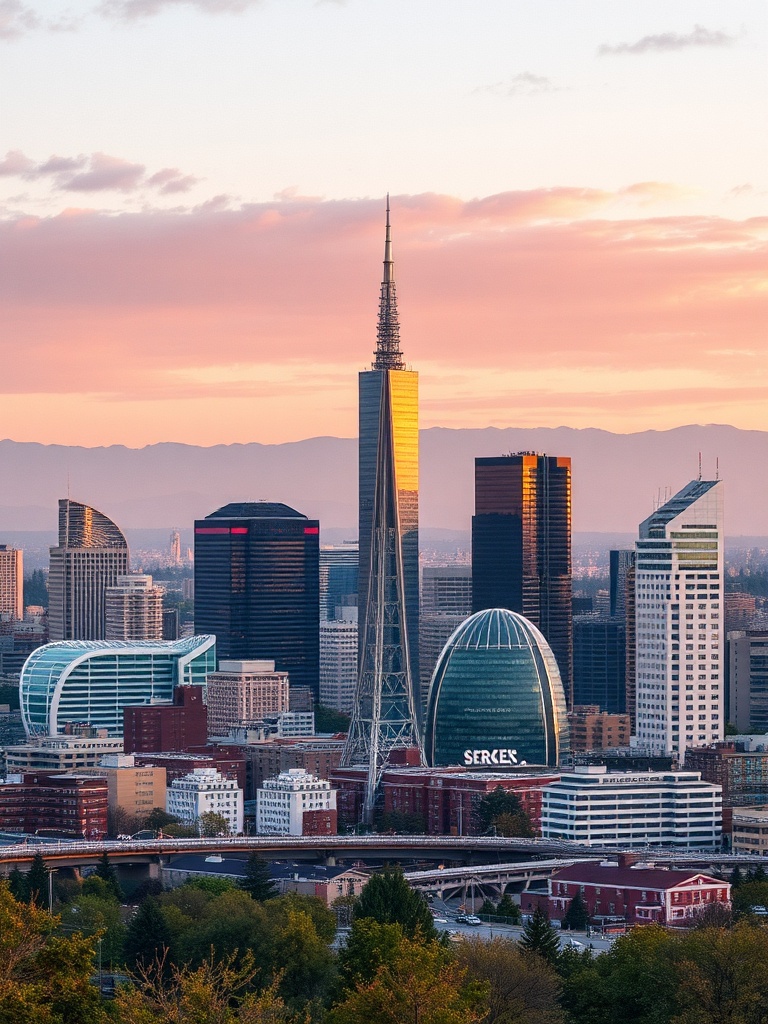
Portland’s mix of approachable urbanism and abundant green space keeps it a standout destination for visitors and a rewarding place to live. Known for craft culture, coffee, and a strong emphasis on local businesses, the city balances creative energy with practical infrastructure that makes exploring easy and enjoyable.
Neighborhoods worth exploring
Portland’s neighborhoods each have a distinct personality. The Pearl District offers converted warehouses, galleries, and upscale dining. Alberta Arts District pulses with murals, independent boutiques, and late-night music. Hawthorne is a magnet for vintage stores and quirky cafés, while Mississippi Avenue blends live music venues with chef-driven restaurants. For a quieter residential vibe, the Sellwood-Moreland area has antiques, parks, and a small-town feel without leaving the city.
Food and drink scene
The city remains a haven for food lovers. Food cart pods provide an affordable and diverse way to taste everything from seasonal Pacific Northwest ingredients to international street food. Farm-to-table restaurants emphasize local produce and sustainable seafood.
Portland’s coffee culture is serious but approachable — independent roasters and cozy cafés are found in every quadrant. The craft beer scene has matured into a broad landscape: small experimental breweries sit alongside long-standing favorites, and cider and natural wine are increasingly easy to find.
Parks, trails, and outdoor access
Portland’s access to nature is a major draw.
Forest Park offers miles of trails right off city streets, ideal for quick escapes into old-growth forest. Eastside parks like Mount Tabor provide volcanic cinder cone views and neighborhood gathering spaces. The Willamette River waterfront and the waterfront esplanade are set up for walking, biking, and watching river traffic. For day trips, a short drive opens access to dramatic coastal areas, waterfalls, and scenic drives that showcase the region’s landscape diversity.
Getting around
Transit options are practical and well-integrated. The light rail and streetcar connect many neighborhoods to downtown, while a dense bus network fills in the gaps. Portland is famously bike-friendly — protected bike lanes and a strong cycling culture make two-wheeled travel a sensible option for many trips. Rideshares and electric scooter options are widely available for shorter hops or late-night returns.
Culture and community
A thriving maker economy and a strong nonprofit sector keep local initiatives visible. Farmers markets, neighborhood fairs, and pop-up events create ongoing opportunities to meet artisans and producers. The city also fosters innovation in sustainability: community gardens, Zero Waste campaigns, and local efforts in green building practices are common themes for businesses and residents.
Practical tips for visitors and new residents
– Pack layers and a compact umbrella; the climate rewards flexibility.
– Tap a transit card or use mobile pay for light rail and buses to save on parking stress.
– Try food carts for quick, affordable, and authentic meals — research pod locations before you go.
– Weeknights and off-peak times offer easier access to popular restaurants and attractions.
– Explore beyond downtown to get a sense of the city’s diverse neighborhoods and independent businesses.
Portland’s appeal comes from its combination of accessible outdoor recreation, a dynamic food and beverage scene, and neighborhood-level culture that champions local and independent voices. Whether staying for a weekend or settling in, an openness to discover keeps the experience fresh and rewarding.
Leave a Reply