The Pacific Northwest remains a magnet for people who value temperate rainforests, rugged coastlines, and vibrant cities. With growing demand for housing and outdoor access, the region faces a balancing act: accommodating population and economic growth while protecting iconic ecosystems and reducing climate-driven risks like wildfire, flooding, and declining salmon runs. The push toward resilience is shaping transportation, urban design, and conservation in ways residents and visitors can see and take part in.
Why resilience matters
The Pacific Northwest’s mix of dense metro areas and wild landscapes creates unique vulnerabilities and opportunities. Urban centers need reliable transportation, affordable housing, and stormwater systems that keep creeks healthy. Rural and forested areas need tools to reduce catastrophic wildfire risk while maintaining habitat and community character. Salmon populations, which link cultural, ecological, and economic systems, are a key indicator of regional health; restoring their habitat benefits water quality and recreation alike.
Key strategies that are gaining traction
– Green infrastructure: Cities are investing in nature-based solutions such as rain gardens, permeable pavement, and expanded urban canopy to reduce runoff, cool neighborhoods, and filter pollutants before they reach streams.
These measures help salmon by improving water quality and restoring natural stream flows.
– Wildfire mitigation and prescribed fire: Communities at the wildland-urban interface are adopting defensible-space practices, updating building codes for fire resilience, and using controlled burns and mechanical thinning to reduce fuel loads. These approaches support healthier forests that are less prone to extreme burns.
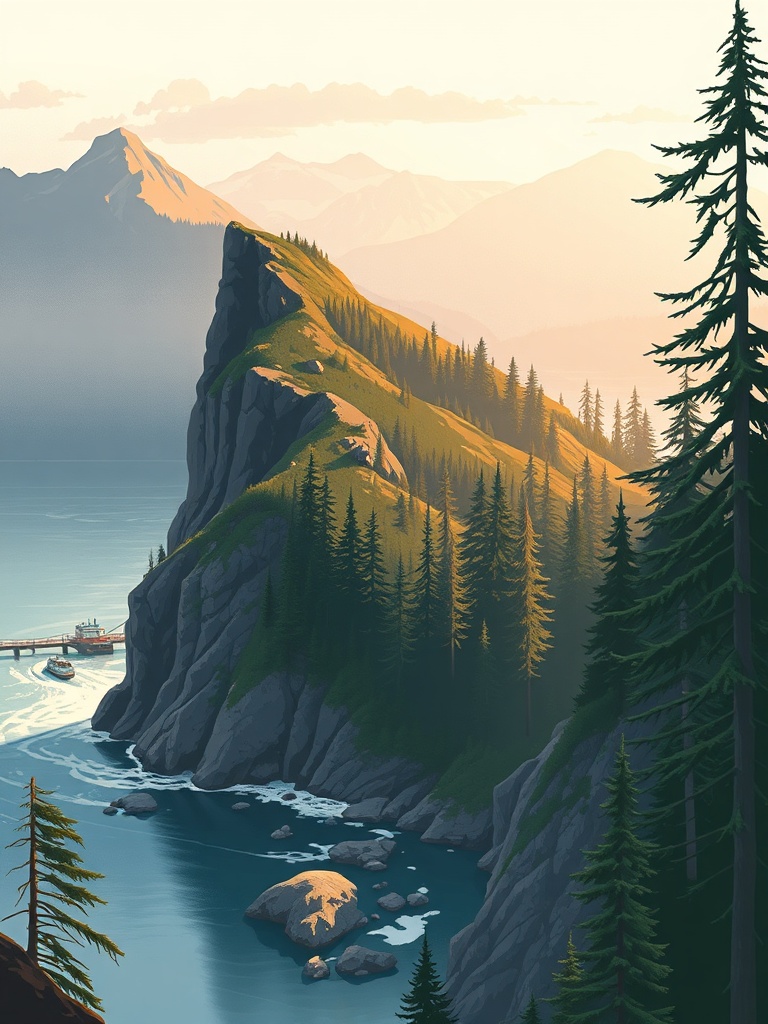
– Salmon-friendly restoration:_restoring floodplains, removing barriers like culverts, and re-establishing side channels all create better spawning and rearing habitat. Tribal governments, municipalities, and conservation groups are increasingly collaborating on projects that blend science with traditional ecological knowledge.
– Sustainable transportation and electrification: Expanding light rail, improving bus networks, and electrifying ferries and buses reduces greenhouse gas emissions, eases traffic, and improves air quality. Investments in bike lanes and pedestrian networks make cities more livable and resilient.
– Community preparedness and equity: Resilience planning is shifting toward inclusive approaches that prioritize vulnerable populations and ensure that disaster response resources, affordable housing, and green jobs are equitably distributed.
What residents can do
– Make homes more fire-resistant: Clear vegetation close to structures, use ember-resistant vents, and choose noncombustible materials for decks and siding when possible. These steps reduce property risk and help emergency responders.
– Support local streams: Install native plants along waterways, reduce pesticide use, and advocate for stormwater management that benefits aquatic habitat. Small actions in yards and neighborhoods add up.
– Choose lower-carbon travel options: Use public transit, carpool, bike, or switch to electric vehicles to help reduce emissions that drive climate impacts.
– Get involved: Volunteer for habitat restoration, join local watershed councils, or attend community resilience meetings. Local knowledge and civic engagement accelerate progress.
The Pacific Northwest’s future depends on integrative thinking that aligns urban needs with ecosystem health.
By combining smart land use, active forest management, investment in green infrastructure, and community-centered planning, the region can maintain the natural assets that drew people here while building safer, more equitable communities. Whether through policy support or individual action, everyone can play a role in shaping a resilient Pacific Northwest that thrives for generations.
Leave a Reply