Exploring Oregon: Sustainable Ways to Experience Coastlines, Mountains, and Cities
Oregon blends dramatic coastline, volcanic peaks, fertile valleys and vibrant urban culture into one of the most diverse outdoor playgrounds available. Whether you’re planning a road trip, chasing craft beer and wine, or seeking solitude on a backcountry trail, a mindful approach makes the experience more rewarding and helps protect the places you love.
Why Oregon stands out
– Dramatic variety: Rugged sea stacks on the coast, old-growth forests in the Cascades, and the broad, agricultural Willamette Valley create distinct micro-regions within short driving distances.
– Outdoor access: Miles of hiking, mountain biking, kayaking and scenic drives are reachable from major population centers, making weekend escapes practical.
– Food and drink culture: A strong farm-to-table ethos fuels restaurants, while the Willamette Valley’s cool-climate wines and Oregon’s craft beer scene are major draws for culinary travelers.
Sustainable travel tips
– Travel by public transit or carpool when possible. Many towns across the state are connected by regional bus or train services that reduce carbon impact and parking hassles.
– Choose lodging with sustainability credentials—look for energy-efficient operations, water-conservation practices and support for local suppliers.
– Respect private and public lands: stay on designated trails, pack out all trash, and follow local guidelines for dogs and camping. Many fragile ecosystems can take years to recover from off-trail use.
– Support local businesses by dining at neighborhood restaurants, shopping at farmers markets and buying directly from vineyards and artisans.
Top Oregon experiences to consider
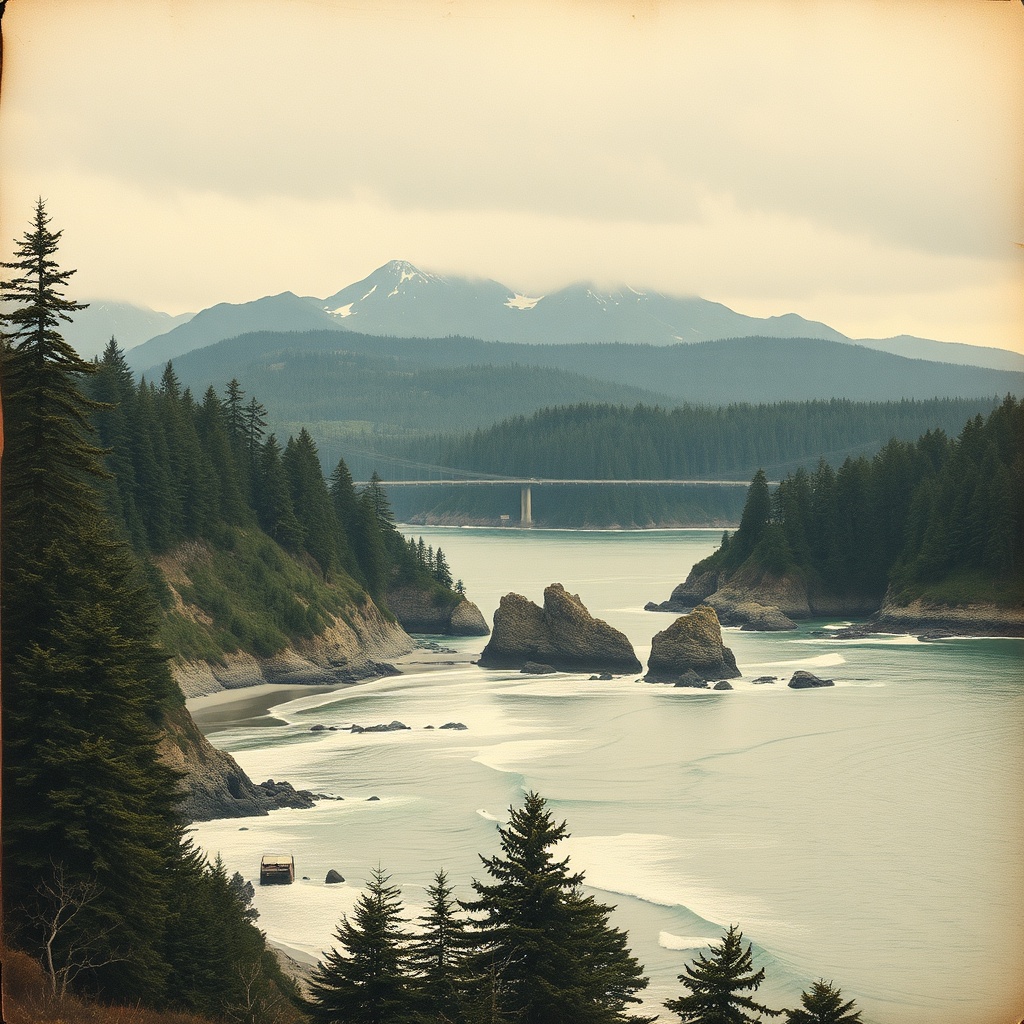
– Coastal adventures: Drive portions of the scenic coastal highway to explore tidepools, panoramic viewpoints and coastal towns. Hike short trails to sea stacks, lighthouse overlooks and sandy beaches for wildlife viewing and photography.
– Columbia River Gorge: Easily accessible from major metro areas, the gorge offers waterfalls, windsurfing and scenic overlooks. Visit early or late in the day to avoid crowds and preserve trail conditions.
– Willamette Valley wine country: Tasting rooms and vineyard tours pair well with farm dinners. Seek smaller, family-run producers for unique varietals and more intimate tastings.
– Cascade hikes and volcanic landscapes: High-country trails around volcanic peaks give alpine lake views and wildflower meadows in season. Check trailhead conditions and carry appropriate gear for changing mountain weather.
– Urban culture and food: Portland remains a hub for innovative cuisine, specialty coffee and a dynamic arts scene. Neighborhood-focused exploring—farmers markets, independent bookstores, and local breweries—often reveals the best finds.
Safety and preparedness
– Wildfire awareness is important across the West; check current fire alerts and travel restrictions before heading into wildland areas.
Be prepared to change plans if conditions shift.
– Mountain weather changes quickly—pack layers, extra water, navigation tools and a basic first-aid kit for day hikes.
– Respect marine environments: tides and sneaker waves can be hazardous on beaches. Observe posted warnings and never turn your back on the ocean.
Make it meaningful
Travel that leaves a positive footprint—through conservation-minded choices, community support and a respectful outdoor ethic—helps preserve Oregon’s landscapes for future visitors and locals alike. Whether you’re chasing sunsets along the coast, sampling wines in a valley, or hiking to a secluded waterfall, a thoughtful approach turns a trip into stewardship. Plan ahead, be flexible, and embrace slow travel to get the most from every Oregon outing.
Leave a Reply