Portland, Oregon, balances big-city amenities with a compact, walkable feel and a fiercely local culture. Whether you’re planning a long weekend or scouting neighborhoods for a move, knowing where to go and how to get around makes the city feel instantly familiar.
Neighborhoods to explore
– Pearl District: Former warehouses converted into galleries, boutiques, and high-end restaurants define this chic area.
It’s a great base for riverfront walks and offers easy public-transit connections.
– Alberta Arts District: Eclectic street art, independent shops, and casual eateries create a lively, creative vibe. First Friday art walks and neighborhood markets are common draws.
– Southeast Division & Hawthorne: Trendy dining, vintage stores, and a relaxed nightlife scene make these adjacent neighborhoods ideal for food-focused outings and people-watching.
– Sellwood-Moreland: Quaint streets, antique shops, and riverside parks give a small-town feel while staying close to the city core.
Food carts, coffee, and craft culture
Portland’s food cart pods are a culinary institution—diverse, affordable, and perfect for groups with different tastes. Look for consolidated pods in central neighborhoods to sample tacos, Thai, wood-fired pizza, and inventive fusion dishes.
Coffee is serious here; independent roasters and neighborhood cafes serve meticulously brewed espresso and pour-overs.
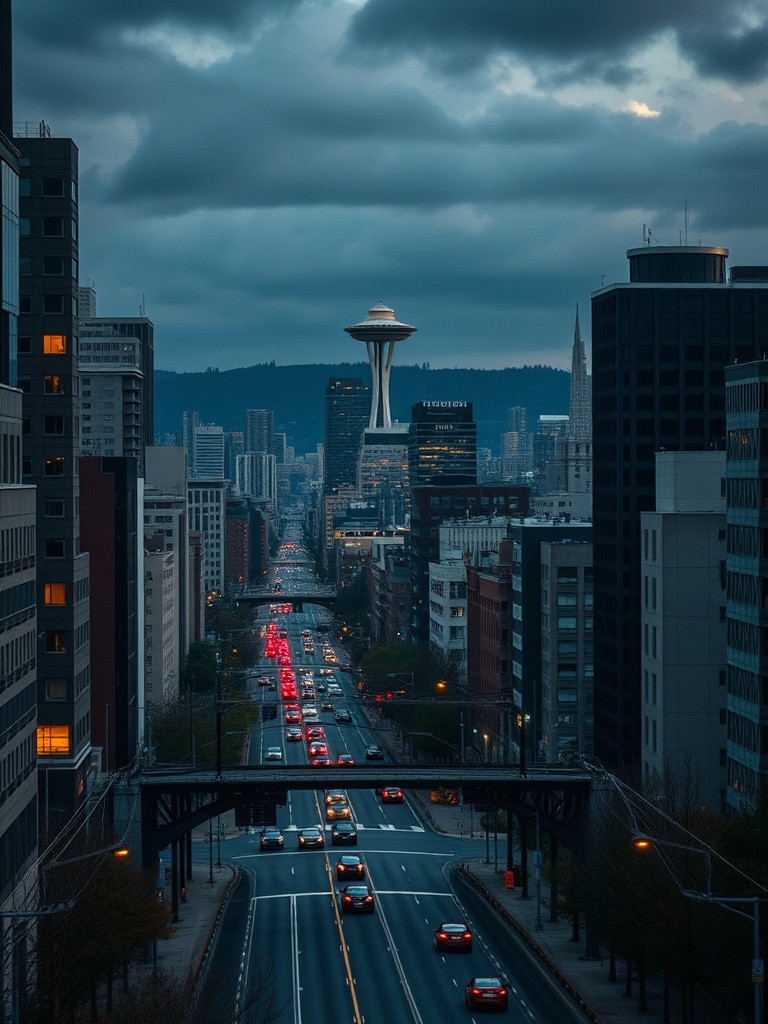
For a tasting tour, pair a coffee shop stop with a walk through a nearby park or market.
Parks, trails, and outdoor time
Outdoor options are abundant. Riverfront esplanades make for relaxed strolls and river views, while large urban green spaces offer trails, botanical gardens, and viewpoints. For a quick nature fix without leaving the city, forested trails and neighborhood parks provide easy access to greenery.
Bike-friendly routes and multiuse paths connect many of these outdoor areas, encouraging active exploration.
Breweries, nightlife, and events
Portland’s brewery scene spans cozy taprooms to experimental brewpubs; many offer rotating taps and food-truck partnerships. Live music venues range from intimate listening rooms to larger halls, and neighborhood bars often host trivia nights and craft-focused tasting events.
Seasonal farmers markets and pop-up markets highlight local producers and makers—great for finding artisan goods and fresh produce.
Getting around efficiently
Public transit is reliable for most central destinations—use light rail and bus lines for river crossings and neighborhood access.
Streetcar routes and downtown shuttles are convenient for short hops. The city is highly bikeable, with dedicated lanes on many streets and bike-share options for short trips. Rideshare and e-scooters fill in last-mile needs, but expect downtown parking to be limited and sometimes costly; park-and-ride or transit access is often easier for popular destinations.
Practical tips
Pack layers—Portland’s weather favors flexible clothing, with cool mornings and mild afternoons common. Casual, comfortable shoes are essential for walking cobbled streets and exploring parks.
Tipping follows standard practices at sit-down restaurants, and many small businesses prefer card or contactless payments, though some food carts still accept cash.
Why Portland feels different
The city’s strength lies in neighborhood identity, local entrepreneurship, and a commitment to green spaces. From craft cuisine and specialty coffee to bike corridors and community markets, Portland rewards slow exploration—take time to linger at a café, chat with a local vendor, and follow a side street to discover a mural or a hidden garden.
Whether you’re visiting for a weekend or scouting neighborhoods for a longer stay, keep an open itinerary, prioritize walking and transit, and let local recommendations shape your plans—Portland’s best discoveries often happen off the main thoroughfares.
Leave a Reply