Pacific Northwest travel: how to enjoy the region responsibly and make the most of every visit
The Pacific Northwest draws people for good reason: lush temperate rainforests, dramatic coastlines, rugged volcanoes, and vibrant cities with thriving food and arts scenes. To get the best experience—whether you’re a local or visiting—focus on sustainable choices, smart planning, and respect for the natural and cultural landscape.
Plan with flexibility and respect the weather
Weather in the Pacific Northwest can shift quickly. Pack lightweight layers, a waterproof shell, and sturdy footwear.
If you’re heading for high country, alpine areas, or coastal cliffs, plan for cooler temperatures and sudden storms even on seemingly clear days. Check current trail and road conditions before you go and have a backup plan if access is temporarily limited.
Wildfire smoke and air quality
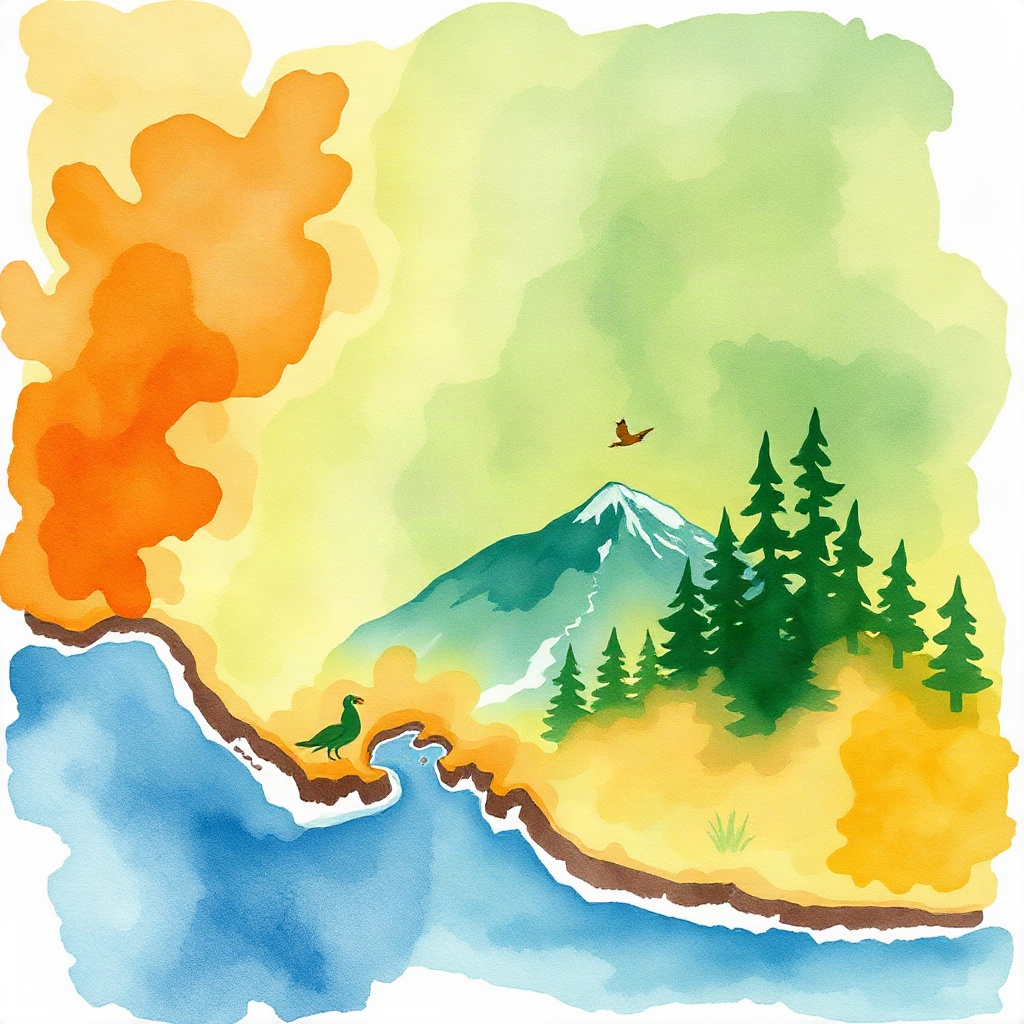
Wildfire smoke can affect visibility and air quality during peak fire periods. Monitor local air quality indexes before extended outdoor activities. When air quality is poor, choose lower-exertion activities, stay in urban areas with filtration, or move plans to coastal or marine locations where air can be clearer. Filtering masks and portable air purifiers are practical additions for frequent visitors.
Respect trails, tides, and habitats
Leave No Trace principles are essential.
Stay on designated trails to protect fragile vegetation and prevent erosion. On the coast, respect tide pool boundaries—many intertidal species are delicate and protected—and follow signage about breeding or restoration areas. If you spot restoration projects or closed areas, treat them as off-limits.
Support local and Indigenous communities
Many destinations are on or adjacent to tribal lands with deep cultural significance. Seek out Indigenous-led tours, museums, and cultural centers to learn local history and support stewardship efforts.
Choosing local accommodations, retailers, and guides keeps tourism dollars within communities and helps sustain local businesses.
Travel sustainably
Public transit, ferries, and active travel options reduce your footprint and offer unique perspectives. Ferries provide scenic routes between urban centers and islands; trains and buses connect major corridors with less hassle than driving in congested areas. For road trips, combine multiple stops to minimize mileage and favor hybrid or electric rentals when possible.
Enjoy local food wisely
Seafood is a highlight of the region, from wild salmon and Dungeness crab to oysters and spot prawns. Choose fisheries and restaurants that follow sustainable harvest practices—look for certifications and menu notes about local sourcing. Visiting farmers’ markets and small roasters gives an authentic taste of the region while supporting artisans and producers.
Be prepared for permitting and crowding
Popular parks and trails may use permit systems or require reservations, especially for parking, backcountry permits, or day-use entry.
Check official park and forest websites for permit rules and trail advisories. Arrive early at popular trailheads to avoid congestion and reduce pressure on parking areas.
Leave the landscape better than you found it
Pack out waste, avoid introducing non-native species on gear and footwear, and consider volunteering with trail crews or habitat restoration projects when you can. Small actions like staying on durable surfaces and carrying reusable gear add up.
The Pacific Northwest is both abundant and fragile. With thoughtful planning, responsible behaviors, and a curiosity about local culture and ecology, visitors can enjoy dramatic landscapes while helping preserve them for others who follow.
Leave a Reply