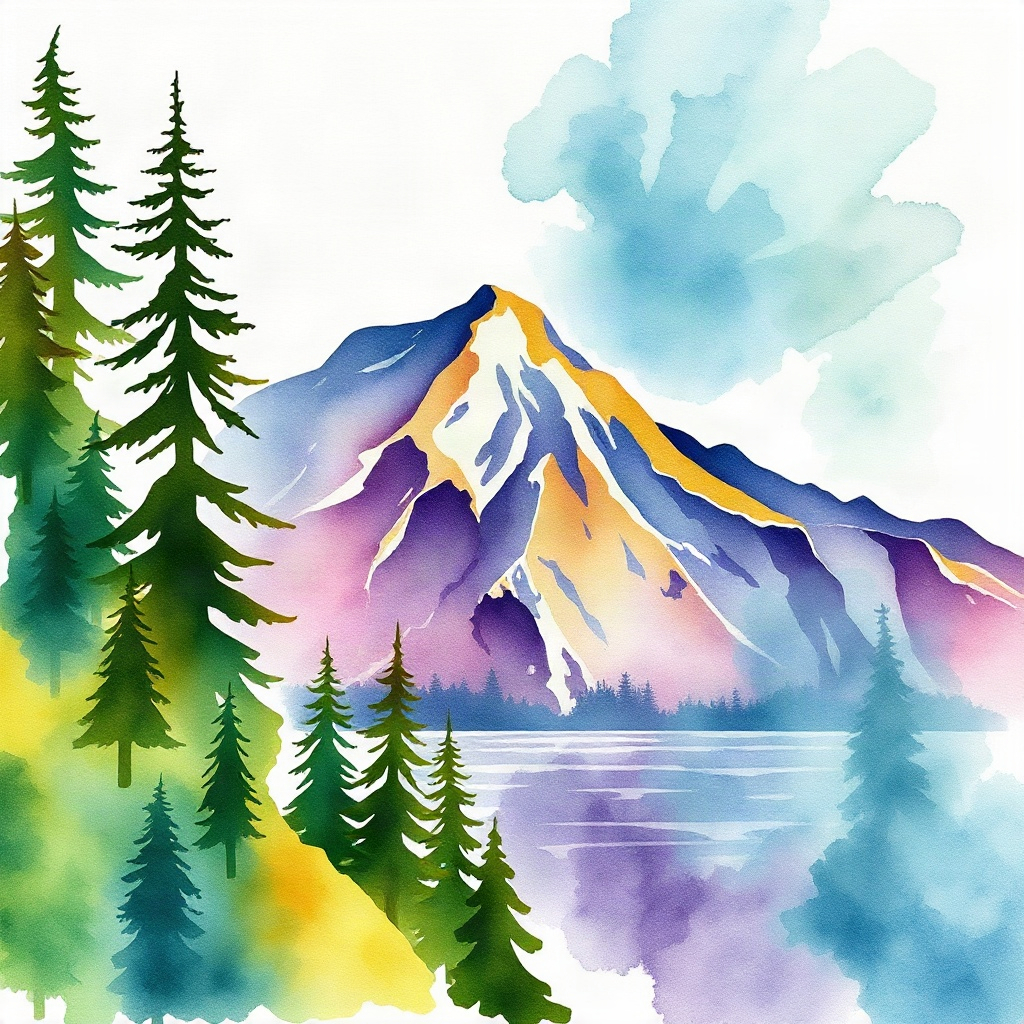
The Pacific Northwest remains one of the most compelling regions for nature lovers, foodies, and outdoor adventurers. Defined by dramatic coastlines, temperate rainforests, towering volcanoes, and vibrant urban hubs, this region blends wild landscapes with a strong culture of sustainability and innovation.
Why visitors keep coming
The Pacific Northwest offers microclimates that let you experience lush temperate rainforests, snowy alpine ridges, and arid inland valleys within a few hours’ drive. Coastal tidepools and beaches contrast with the evergreen slopes of the Cascade Range.
Urban centers are walkable, pedestrian- and bike-friendly, and famous for their coffee, craft beer, and farm-to-table dining scenes.
Top outdoor experiences
– Hiking and backpacking: Trails range from easy coastal strolls to challenging alpine routes. Expect dense moss, old-growth stands, and waterfalls on many hikes; bring layers for changing weather.
– Water activities: Kayaking through fjords, paddling around islands, and cold-water surfing attract water enthusiasts.
Ferry rides between islands and across sounds are scenic and practical.
– Winter sports: Mountain resorts offer skiing, snowboarding, and snowshoeing; avalanche awareness and proper gear are essential for backcountry outings.
– Tidepooling and wildlife viewing: Shoreline explorations reveal starfish, anemones, and coastal birds. Orca and whale watching opportunities are strong in many areas—book reputable, low-impact tours.
– Mushroom and berry foraging: Fungal diversity is remarkable, but foragers should follow local regulations and learn safe identification from experienced guides.
Conservation and stewardship
Conservation is woven into regional identity. Community-led restoration projects focus on salmon habitat recovery, riparian restoration, and reforestation.
Indigenous stewardship plays a central role: many tribes collaborate on habitat protection, fishery management, and cultural education. Supporting Indigenous-led initiatives and local conservation groups helps ensure landscapes remain healthy for future generations.
Urban culture and cuisine
City neighborhoods emphasize local sourcing, seasonal menus, and sustainable seafood. Farmers markets are abundant, showcasing regional produce such as berries, shellfish, and unique heirloom vegetables. The craft beverage scene—coffee roasters, microbreweries, and cideries—adds to the region’s culinary appeal. Small-batch producers and chefs often highlight traditional Indigenous ingredients and methods, offering a richer sense of place.
Practical tips for visiting
– Pack for layers: Weather can shift quickly even within short distances. A breathable shell, warm mid-layer, and sturdy footwear are essentials.
– Check local advisories: Wildfire smoke, avalanche conditions, and strong currents can affect outdoor plans—local park services and visitor centers provide current alerts.
– Respect tide schedules and intertidal ecosystems: When exploring beaches, be mindful of tides and avoid disturbing wildlife.
– Travel responsibly: Use public transit, ferries, or carpool when possible.
Support local businesses and follow Leave No Trace principles.
– Learn before picking: If foraging or harvesting shellfish, verify local regulations and health advisories.
Cultural sensitivity and connection
Acknowledging the deep, ongoing presence of Indigenous peoples is important.
Many areas are on ancestral lands, and cultural tourism—such as museum exhibits, cultural centers, and guided experiences—offers respectful ways to learn about regional histories and traditions.
Whether you seek rugged solitude, urban creativity, or meaningful cultural encounters, the Pacific Northwest offers landscapes and communities that reward curiosity and responsible stewardship. Plan ahead, tread lightly, and look beyond the well-known spots to discover quieter corners and local stories that define the region’s character.
Leave a Reply