Seattle’s Waterfront: A Fresh Way to Experience the City
Seattle’s waterfront has been reshaped into a more walkable, greener edge, making it one of the best ways to experience the city’s mix of maritime history, modern design, and outdoor life.
Whether you’re a visitor or rediscovering your own backyard, this stretch of Elliott Bay delivers easy access to parks, public art, seafood, and transit — all within a short walk of downtown.
What to see and do
– Stroll the promenade: A wide, accessible promenade lines the water, offering uninterrupted views of shipping lanes, ferries, and, on clear days, the Olympic Mountains and Mount Rainier. Benches, viewing platforms, and interpretive signage make the walk both relaxing and informative.
– Visit the piers and parks: Piers that once served heavy industry are now public spaces with performance lawns, seasonal events, and pop-up food vendors. Waterfront Park and refurbished piers host music, outdoor fitness classes, and waterfront festivals.
– Seafood and markets: Fresh-caught seafood is everywhere from casual chowder stands to sit-down restaurants serving regional shellfish and salmon.
Nearby markets and kiosks highlight local producers and craft goods.
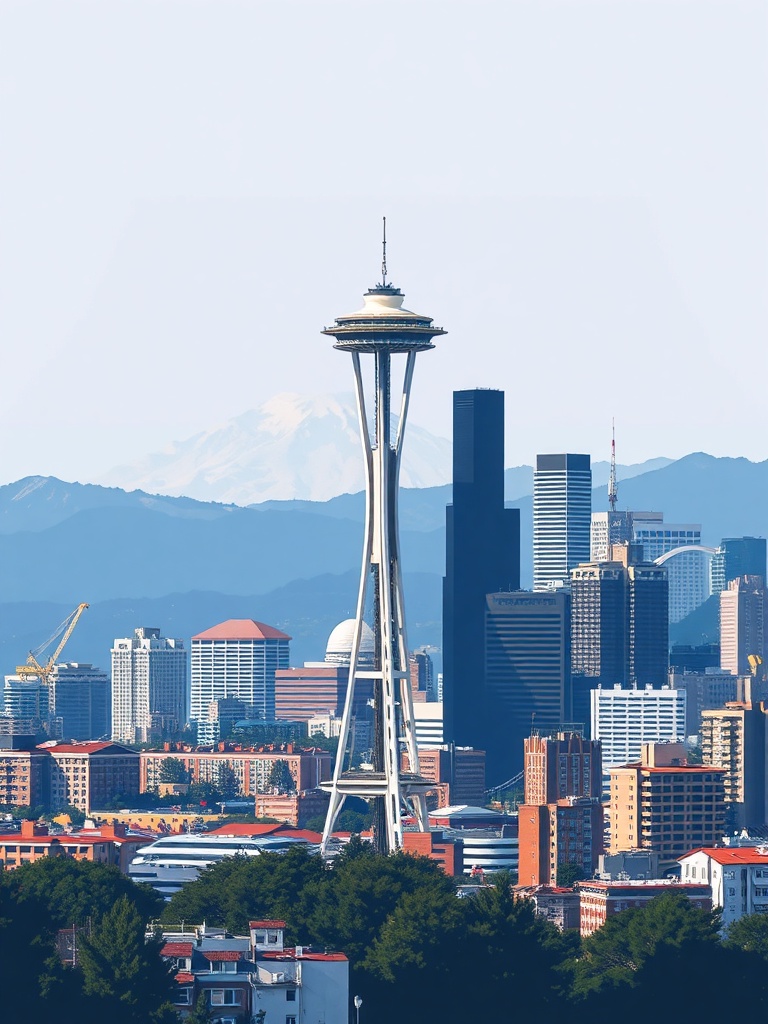
– Family attractions: Aquariums, a Ferris wheel, and interactive waterfront exhibits are popular with families and provide a chance to learn about marine life and local ecology.
– Public art and history: Sculptures, historic plaques, and art installations connect the waterfront’s maritime past with its present-day cultural life.
Getting there and getting around
Seattle’s transit options make accessing the waterfront straightforward. Light rail and frequent bus service from many neighborhoods drop you near downtown cores that are a short walk from the water. Ferries and water taxis link the waterfront to nearby islands and cross-bay neighborhoods, turning a commute into a scenic ride.
Bike lanes and dedicated multiuse trails run along much of the shoreline, and bike share plus e-scooters offer quick, flexible trips for short distances.
Tips for a great visit
– Dress in layers and bring a lightweight waterproof layer; the city’s maritime climate can shift quickly.
– Plan for variable visibility: mountain views are spectacular when skies are clear, but fog and marine layer days are common and have their own mood.
– Time visits for off-peak hours if you want quieter promenades; evenings and weekend afternoons draw bigger crowds for dining and events.
– Check event listings: food festivals, open-air concerts, and cultural celebrations frequently use the waterfront’s public spaces.
– Use transit or bike parking to avoid downtown traffic and limited hourly parking near popular piers.
Sustainability and public space
The waterfront’s redesign emphasizes green infrastructure, shoreline restoration, and improved stormwater management.
Native plantings, sea-level resilience measures, and reinforced public access points reflect a city-wide push to balance urban life with coastal stewardship.
For locals and visitors alike, the waterfront has become a place to linger rather than a corridor to pass through.
With easy connections to markets, museums, parks, and transit, it’s a compact way to experience the natural and cultural flavors that define the city.
Pack comfortable shoes, follow the shoreline, and let the changing light over Elliott Bay guide your day.
Leave a Reply