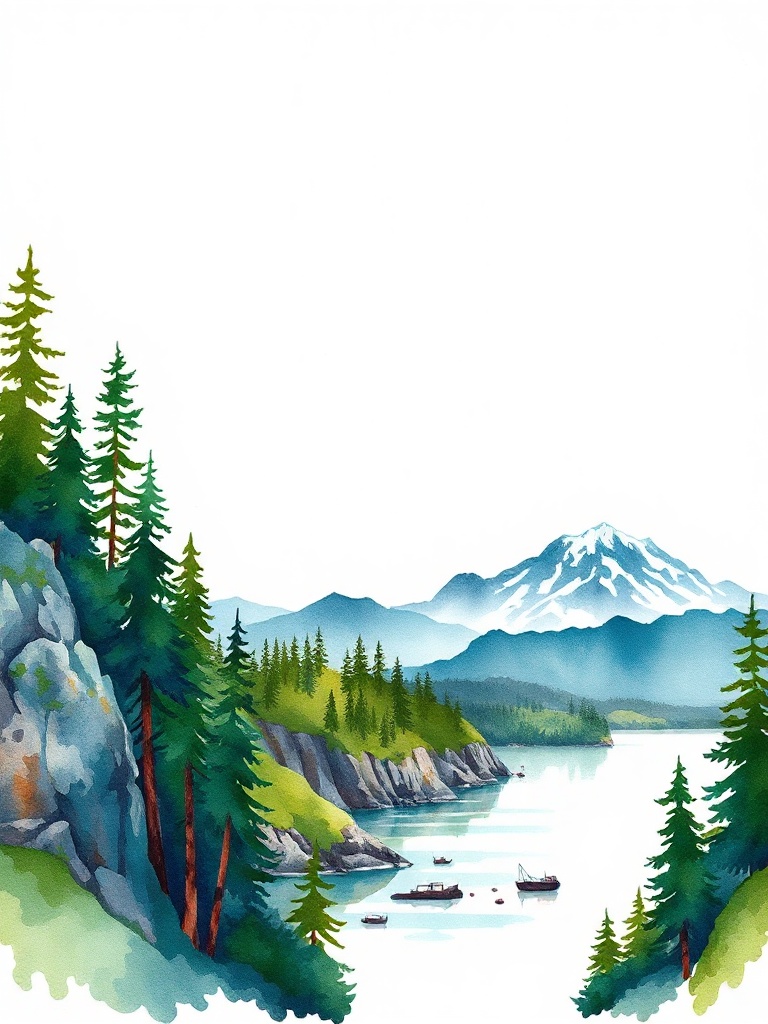
The Pacific Northwest blends dramatic landscapes, vibrant cities, and a culture of outdoor stewardship that attracts residents and visitors alike. From moss-draped temperate rainforests to rugged coastline and volcanic peaks, the region’s character is shaped by water, forests, and a strong commitment to conservation and sustainable living.
Why the Pacific Northwest stands out
Temperate rainforests, abundant rivers, and a long coastline create ecosystems that are globally rare. Urban centers like Seattle, Portland, and Vancouver sit alongside wilderness, making access to trails, waterways, and parks a daily reality for many. That proximity nurtures a civic focus on green infrastructure, public transit, and active transportation—elements that help make city life feel connected to nature.
Outdoor recreation with a conscience
Hiking, kayaking, skiing, and cycling are central to regional identity, but recreation here is increasingly linked to stewardship.
Popular practices include:
– Checking air quality and trail conditions before heading out, especially during wildfire season
– Packing layers and rain gear—weather can shift rapidly from sunshine to drizzle
– Following Leave No Trace principles and sticking to durable surfaces to protect fragile flora
Respect for Indigenous lands and culture is essential. Many trails and sites are on ancestral territories of Coast Salish, Chinook, Nuu-chah-nulth, and other nations. Look for opportunities to support tribal-led guiding services, cultural centers, and restoration projects.
Conservation priorities that matter
Salmon recovery, habitat restoration, and urban forestry are major focuses. Healthy salmon runs depend on cool, clean rivers and intact estuaries. Citizens and organizations are working on dam removal, riparian planting, and pollution reduction to help fish return to historical spawning grounds. In cities, expanding tree canopy and restoring wetlands reduce heat islands, improve air quality, and increase stormwater resilience.
Climate resilience and living smarter
The region’s climate trends are shaping how communities plan infrastructure and daily life.
Stormwater management, shoreline reinforcement, and wildfire-preparedness are now woven into municipal planning. For homeowners and renters, simple steps increase resilience:
– Plant native species to support pollinators and require less irrigation
– Choose drought-tolerant landscaping near the coast and lower-water varieties inland
– Install rain barrels or permeable paving to reduce runoff
Sustainable food and local economies
Farmers’ markets, community-supported agriculture (CSA), and small-scale fisheries emphasize local sourcing.
Coastal shellfish and inland berries are regional staples, and many restaurants prioritize seasonal, traceable ingredients. Supporting local producers helps keep supply chains resilient and reduces food miles.
Getting around without a car
Public transit systems, ferries, and expanding bike networks make it easier to explore without driving. Many communities offer bike-share programs and improved cycling infrastructure that connect neighborhoods to waterfronts and parks. When driving is necessary, consider carpooling, electric vehicles, or public transit alternatives.
How to be a constructive visitor or resident
– Learn a little about local Indigenous history and support authentic Indigenous businesses and cultural initiatives
– Volunteer with local restoration groups or watershed councils
– Choose sustainably certified seafood and buy from local markets
– Be smoke-aware: wildfire smoke can affect air quality quickly—adjust outdoor plans accordingly
The Pacific Northwest remains a place where natural beauty and civic-minded living intersect.
Whether you’re exploring a trail, supporting habitat restoration, or choosing a drought-tolerant garden, small actions add up to a healthier, more resilient region for everyone.
Leave a Reply