Pacific Northwest pulse: balancing growth, climate resilience, and outdoor culture
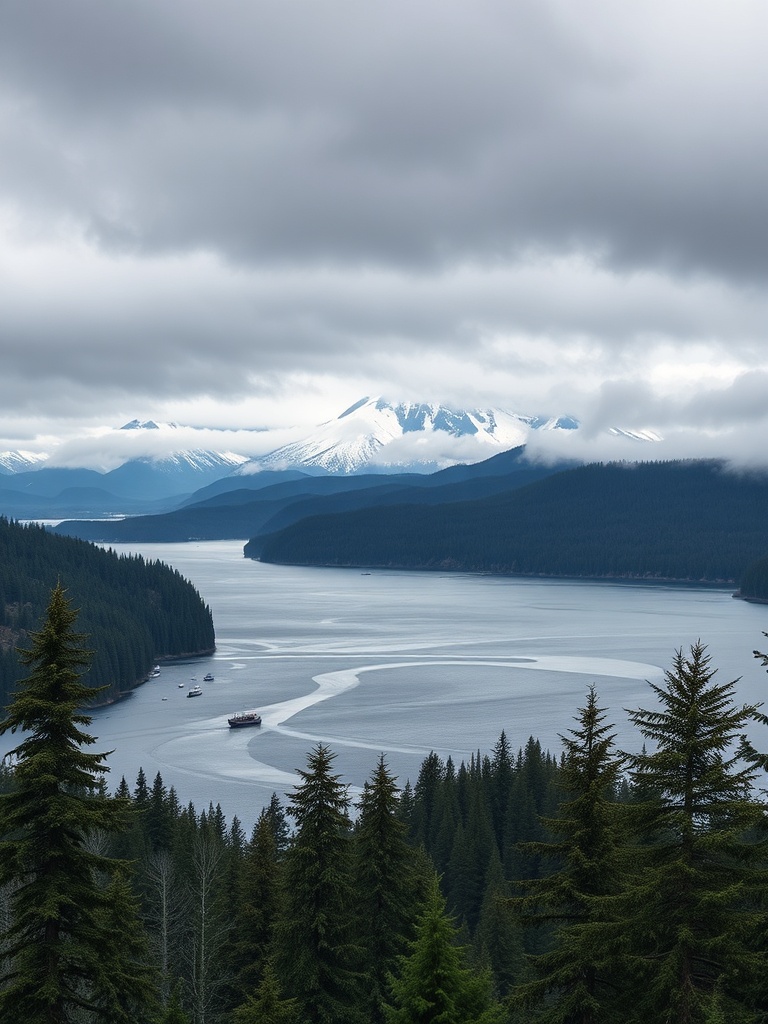
The Pacific Northwest remains a magnet for people who value mountains, coastline, and an outdoor-focused lifestyle. That mix of natural beauty and growing urban centers creates unique opportunities and challenges. Residents and visitors alike are navigating housing demand, ecosystem recovery, and sustainable tourism while maintaining the region’s signature culture of conservation and innovation.
Urban growth and livability
Major metro areas continue to attract tech, creative, and green-energy jobs, fueling population growth and a tight housing market. That pressure pushes planning departments to prioritize higher-density housing, transit-oriented development, and preservation of urban green space. Cities are increasingly investing in multimodal transportation — expanding light rail, improving bike networks, and supporting frequent bus corridors — to reduce congestion and make neighborhoods more walkable. Community-driven solutions such as accessory dwelling units and co-housing are gaining traction as ways to increase supply while preserving neighborhood character.
Climate impacts and ecosystem recovery
Shifting climate patterns are affecting snowpack, streamflow, and seasonal weather, creating ripple effects for agriculture, fisheries, and wildfire risk. Warmer, drier summers and heavier winter storms have prompted new approaches to water management, flood mitigation, and forest stewardship.
Salmon populations remain a central concern across river basins. Collaborative restoration projects led by tribal nations, municipalities, and non-profits focus on habitat reconnection, culvert removal, and estuary recovery to support resilient fish runs and thriving river ecosystems.
Marine conservation is also a priority. The Salish Sea and coastal waters face challenges from vessel traffic, prey shortages for orcas, and the need for sustainable fisheries management. Policy shifts and community programs aim to reduce noise pollution, improve water quality, and protect foraging habitats for marine mammals.
Outdoor culture and responsible recreation
Outdoor recreation fuels the region’s identity and economy. Trailheads, national parks, coastal beaches, and backcountry zones see strong demand. Popular destinations face crowding, erosion, and parking strain, which has prompted land managers to adopt reservation systems, permit programs, and better trail infrastructure. Leave-no-trace practices and education campaigns are helping keep sensitive areas healthy.
Sustainable tourism is increasingly important: choosing lower-impact options, supporting local outfitters, and traveling during shoulder seasons reduces pressure on hotspots. For anglers, hikers, and paddlers, staying informed about seasonal closures, stream conditions, and local regulations keeps both people and ecosystems safe.
Community resilience and equity
Resilience planning blends infrastructure upgrades with social programs to protect vulnerable communities from heat, flooding, and economic displacement.
Equity-focused policies are expanding access to affordable housing, transit, and green jobs so that long-term residents can stay in place as neighborhoods evolve. Indigenous leadership plays a growing role in land management and cultural preservation, shaping restoration priorities and visitor education.
Practical steps for residents and visitors
– Use public transit, carpool, or bike where possible to reduce congestion and emissions.
– Support local businesses, markets, and sustainable outfitters to keep dollars in the community.
– Practice Leave No Trace and follow trail or beach advisories to protect fragile habitats.
– Volunteer with river cleanup or habitat restoration groups to contribute directly to recovery efforts.
– Stay informed about local planning initiatives and participate in public meetings to help shape resilient, equitable communities.
The Pacific Northwest’s future is being written through local action, cross-jurisdictional collaboration, and a culture that prizes the outdoors. Balancing growth with stewardship keeps the region vibrant and livable for generations of residents and visitors.
Leave a Reply