Portland travel guide: what to see, eat, and how to get around
Portland has earned a reputation as a small-city big-on-culture destination where craft coffee, food carts, bike lanes, and lush urban parks intersect. Whether you’re planning a weekend getaway or scouting neighborhoods for a longer stay, Portland delivers an approachable mix of outdoor adventure, culinary creativity, and neighborhood charm.
Neighborhoods to explore
– Pearl District: Former warehouses turned galleries, boutiques, and high-end restaurants. Great for walking, gallery hopping, and boutique shopping.
– Nob Hill / Northwest: Tree-lined streets, independent shops, and a mix of classic and modern dining spots.
– Alberta Arts District: A colorful stretch known for street murals, indie galleries, and lively nightlife.
– Mississippi Avenue: Intimate bars, modern Southern-influenced cuisine, and several popular small music venues.
– Southeast (Division and Hawthorne): Eclectic vibes, food carts, breweries, and vintage stores make this area a favorite for locals.
Top things to do
– Parks and green spaces: Washington Park and Forest Park offer miles of hiking and tranquil escapes just minutes from downtown. The Japanese Garden and International Rose Test Garden provide peaceful, photogenic moments in more cultivated settings.
– Walk the bridges: The Willamette River is spanned by many iconic bridges—each with its own character—and walking or biking these gives a fresh vantage on the skyline.
– Iconic bookstores and markets: Don’t miss browsing independent bookstores and local markets for unique finds and artisan goods.
– Food scene: Portland’s street food culture remains a highlight. Food cart pods offer a range of global flavors side-by-side, making it easy to sample diverse dishes without committing to a full restaurant meal.
– Breweries and coffee roasters: The city’s craft beer and specialty coffee scenes are both strong; look for small-batch roasters and neighborhood taprooms for the best experiences.
Getting around
Portland is compact and walkable in many districts.
A robust public transit network—light rail, streetcars, and buses—connects neighborhoods efficiently. Bike infrastructure is extensive; many residents use bicycles for daily errands. Rideshares and scooters supplement options for late-night travel or trips across town.
Practical tips
– Dress in layers: The climate can be changeable; a lightweight rain jacket and comfortable shoes are smart choices.
– Plan for crowds at popular spots: Weekends and festival times draw visitors—reserve dining or tour reservations when possible.
– Explore beyond downtown: Neighborhoods hold much of Portland’s personality. Allocate time to wander, pop into local shops, and try a neighborhood coffee shop or bakery.
– Respect local etiquette: Portlanders value small businesses, local makers, and sustainable practices—supporting independent vendors and minimizing waste goes a long way.
Sustainability and local culture
Portland’s commitment to green spaces, urban forestry, and active transportation is visible throughout the city.
Expect bike lanes, community gardens, and a strong market for locally produced goods. Community-driven events, farmers markets, and neighborhood festivals reflect the city’s creative spirit and grassroots arts scene.
Why visit
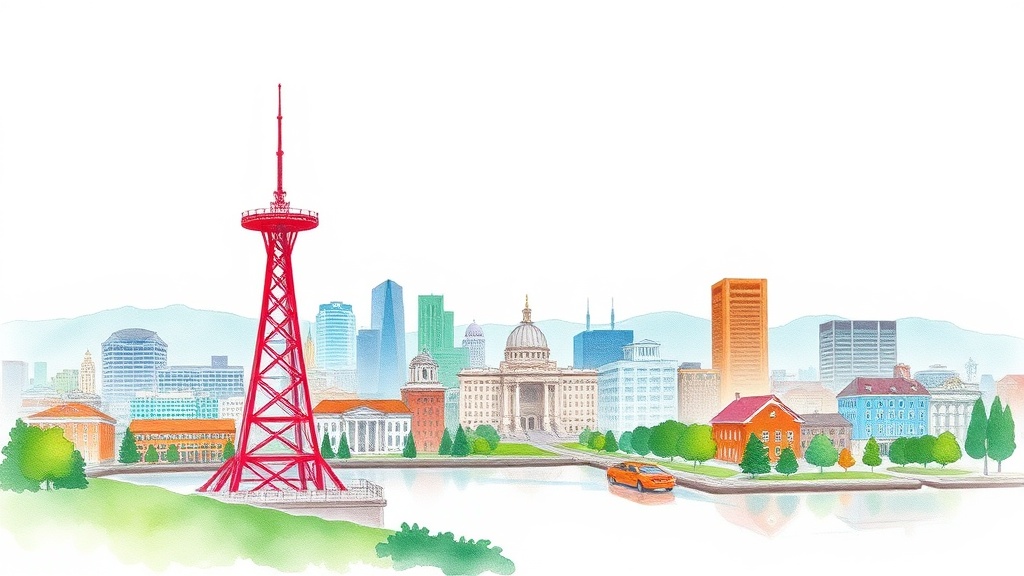
Portland offers an easy blend of urban amenities and outdoor access. It’s a place to taste new food, sip excellent coffee, walk through well-tended parks, and discover neighborhoods that reward slow exploration. For travelers seeking an authentic, locally driven experience, Portland’s mix of creativity, nature, and neighborhood-first culture makes it a compelling destination.
Leave a Reply