Enjoying and Protecting the Pacific Northwest: Practical Tips for Responsible Outdoor Life
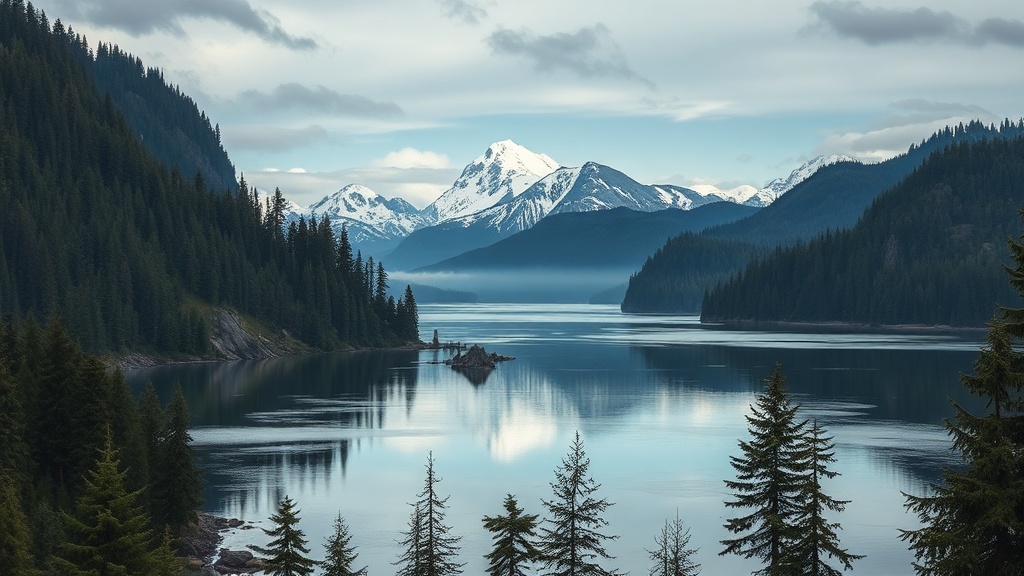
The Pacific Northwest is prized for its dramatic coastline, old-growth forests, alpine peaks, and vibrant coastal communities. Whether you’re exploring mossy trails, wandering tidepools, or sampling fresh seafood at a farmers market, thoughtful behavior preserves what makes the region special. These practical tips help you enjoy the outdoors while minimizing your footprint.
Plan ahead and travel prepared
Check trail conditions, tide tables, and local regulations before you leave. Many popular sites have limited access or permit systems to reduce crowding and protect sensitive areas, so book ahead where required. Pack appropriate layers—coastal fog and mountain storms can arrive quickly—and carry a map, headlamp, water, and basic first-aid supplies. Let someone know your route for longer outings.
Respect Indigenous lands and cultures
The Pacific Northwest is home to many Indigenous nations with deep connections to land and sea. Learn whose traditional territory you’re on, follow any site-specific guidance, and seek permission when visiting cultural sites. Support Indigenous-led businesses, guides, and conservation initiatives when possible.
Practice tidepool and shoreline etiquette
Tidepools are living classrooms. Observe wildlife without disturbing it: keep feet on rocks rather than in pools, avoid handling animals, and don’t collect shells or organisms.
On beaches, walk around fragile dunes and eelgrass beds, and carry out any trash, including small plastics that harm birds and marine life.
Protect salmon and freshwater ecosystems
Salmon run through rivers and estuaries that are especially vulnerable to disturbance. Stay on designated trails and bridges, keep dogs under control near spawning streams, and avoid wading in or altering streambeds during sensitive seasons.
If you fish, follow size and catch regulations and practice responsible catch-and-release techniques where advised.
Follow Leave No Trace principles
Leave No Trace is the baseline for responsible recreation: plan ahead, travel on durable surfaces, dispose of waste properly, leave what you find, minimize campfire impacts, respect wildlife, and be considerate of other visitors. Pack out all trash and, when safe, collect small pieces of litter you find along the way.
Be wildfire-aware
Fire seasons can be unpredictable.
Follow local fire restrictions, use camp stoves rather than open fires when possible, and fully extinguish any permitted campfire. Keep vehicles and gear clear of dry vegetation, and never discard cigarette butts on the ground.
Prevent the spread of invasive species
Clean, drain, and dry boats, boots, and gear to avoid transporting invasive plants, insects, or aquatic organisms between watersheds.
Inspect and remove mud, seeds, and plant fragments before moving between sites.
Support sustainable local economies
Sourcing seafood from certified sustainable fisheries, buying from local farmers markets, and choosing eco-conscious tour operators supports conservation-minded practices. Volunteering with beach cleanups, habitat restoration projects, or citizen-science programs amplifies local efforts.
Small actions make a big difference
The Pacific Northwest’s landscapes and communities depend on visitors and residents making informed choices. Simple habits—staying on trails, keeping a respectful distance from wildlife, packing out all waste, and supporting local stewardship—help ensure these rich ecosystems thrive for everyone to enjoy.
Leave a Reply