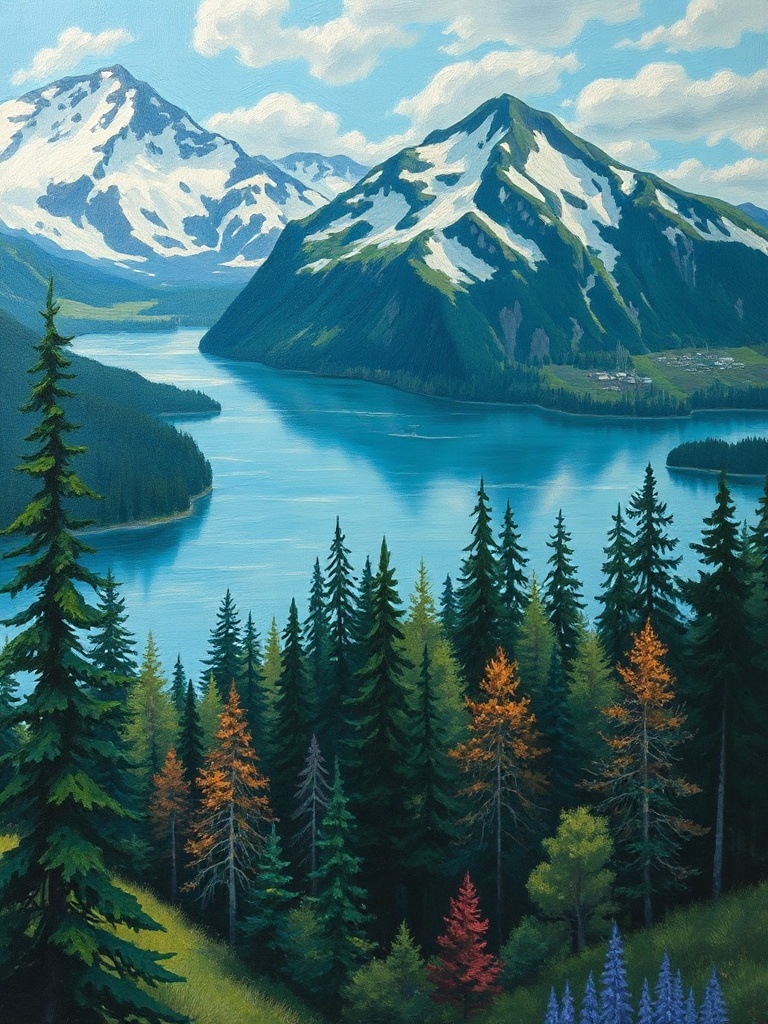
The Pacific Northwest is a region of dramatic contrasts: misty coastal cliffs, towering evergreen forests, snow-capped volcanic peaks, and vibrant urban centers that blend culture with outdoor living. Whether you’re planning a short getaway or a long road trip, this corner of the continent rewards slow travel, active exploration, and a mind toward conservation.
What to see and do
– Coastline and beaches: Rugged shorelines on the Oregon Coast and Washington’s outer coast offer tidepooling, storm-watching, and long sandy walks. Look for sea stacks, tidepools rich with anemones and starfish, and state parks with scenic viewpoints.
– Mountains and trails: The Cascades and Olympic ranges provide everything from accessible day hikes to challenging alpine climbs. Popular corridors include old-growth forest trails, waterfalls, and rim drives with dramatic vistas. Expect diverse ecosystems as elevation changes, from mossy lowlands to alpine meadows.
– Marine life: Puget Sound and the coastal waters are prime for whale watching, seal and sea lion sightings, and birding. Responsible viewing practices and guided tours help protect marine mammals and their habitats.
– Cities and culture: Seattle and Portland are hubs for coffee culture, craft brewing, independent bookstores, and farm-to-table dining. Arts scenes thrive with galleries, music venues, and neighborhood markets showcasing local makers.
– Adventure sports: Kayaking, paddleboarding, mountain biking, and skiing are all accessible without long transfers. River runs and wind-swept coastal stretches offer conditions for different skill levels.
Practical travel tips
– Layer for changeable weather: Temperatures can swing quickly between coast and mountains. Waterproof outer layers, warm mid-layers, and sturdy footwear are essentials. A compact rain jacket and quick-dry layers make outdoor plans flexible.
– Check permits and reservations: High-use trails, backcountry permits, and popular campgrounds may require reservations or permits.
Consult national park and national forest websites for the latest access rules and safety advisories.
– Use ferries and rail where possible: Ferries are a scenic and practical way to move between islands and across sound waters.
Regional rail and bus services can ease city-to-city travel while cutting down on driving.
– Be wildfire-aware: Air quality and trail access can be affected by wildfire smoke and closures during dry seasons. Look up current alerts and consider flexibility in scheduling.
Responsible travel
The region’s ecosystems are both resilient and vulnerable. Practice Leave No Trace principles, stick to designated trails, pack out what you bring, and support local stewardship initiatives. Choose environmentally responsible tour operators for whale watching or fishing, and buy from local farms, markets, and small businesses to keep economic benefits in the community.
Local flavors
Food and drink are a highlight: expect exceptional seafood, a strong farm-to-table ethos, and an emphasis on seasonal produce. Coffee shops and microbreweries offer warm places to plan the next leg of a trip, while roadside stands and farmers markets showcase regional specialties.
Trip inspiration and planning
For a balanced trip, combine a city-based stay with nearby natural excursions—an urban morning at a museum or market followed by an afternoon hike or coastal drive.
Keep itineraries flexible to accommodate weather and trail conditions, and prioritize a few meaningful experiences over trying to see everything.
The Pacific Northwest invites curiosity and slow discovery. From tidepools to summits, and from bustling neighborhoods to quiet old-growth groves, thoughtful planning and respect for the land make for a richer visit that benefits both traveler and place.
Leave a Reply