Tacoma’s revitalized waterfront, creative energy, and accessible outdoor playground make it a standout destination for visitors and people considering relocation.
Once known primarily as an industrial port, the city has shifted into a balanced mix of culture, dining, and nature—while retaining a strong regional identity and more approachable cost profile than some neighboring metros.
What to see and do
– Museum of Glass: A signature attraction showcasing contemporary glass art and live glassblowing demonstrations that captivate all ages. The dramatic center-piece pieces and rotating exhibits keep every visit fresh.
– LeMay — America’s Car Museum: A must for auto enthusiasts, this collection pairs automotive history with an event calendar that draws collectors and families alike.
– Point Defiance Park: One of the largest urban parks in the region, featuring shoreline paths, a small zoo and aquarium, dense forest trails, and dramatic vistas ideal for picnics or long runs.
– Ruston Way Waterfront: A scenic promenade lined with parks, cafes, and waterfront dining.
It’s perfect for sunset walks, paddleboarding launches, and spotting freighters moving through the harbor.
– Tacoma Art Museum and local galleries: A thriving arts scene spans museums, independent galleries, and public murals, especially in the downtown and Hilltop corridors.
Outdoor recreation and active living
Tacoma’s geography of bays, hills, and parkland supports year-round outdoor activity. Hikers will find access to forest trails and coastal routes within city limits, while cyclists benefit from connected bike lanes and emerging greenways. For golf lovers, a championship course with sweeping views draws players from across the region. Water-focused activities—kayaking, paddleboarding, and shoreline birdwatching—are popular along Commencement Bay and smaller inlets.
Food, drink, and nightlife
A flourishing food scene blends Pacific Northwest seafood tradition with innovative small-plate concepts, farm-forward restaurants, and vibrant food halls.
Craft breweries and distilleries have become local staples, with tasting rooms that highlight community-oriented events and rotating beer releases.
Nightlife centers around live music venues, cozy bars, and late-night eateries that serve as neighborhood anchors.
Neighborhoods and housing
Neighborhoods from revitalized downtown districts to quieter residential pockets offer a mix of historic homes, new multifamily developments, and townhomes. Buyers and renters often cite access to green space, cultural amenities, and shorter commutes as major draws. Those prioritizing walkability should explore central neighborhoods close to transit and mixed-use corridors.
Getting around
A compact urban footprint makes many destinations accessible by bike, ride-share, or public transit. Regional rail and bus connections provide alternatives for commuters, while a short drive opens access to major airports and neighboring cities. Parking remains manageable compared with larger urban cores, and ongoing investment in pedestrian and cycling infrastructure continues to improve connectivity.
Insider tips
– Explore early mornings or weekdays for quieter visits to popular sites and waterfront trails.
– Check local calendars for neighborhood markets, art walks, and outdoor concerts that showcase local makers and musicians.
– For the best waterfront dining spots, reserve ahead on busy weekends and look for patios facing the sound.
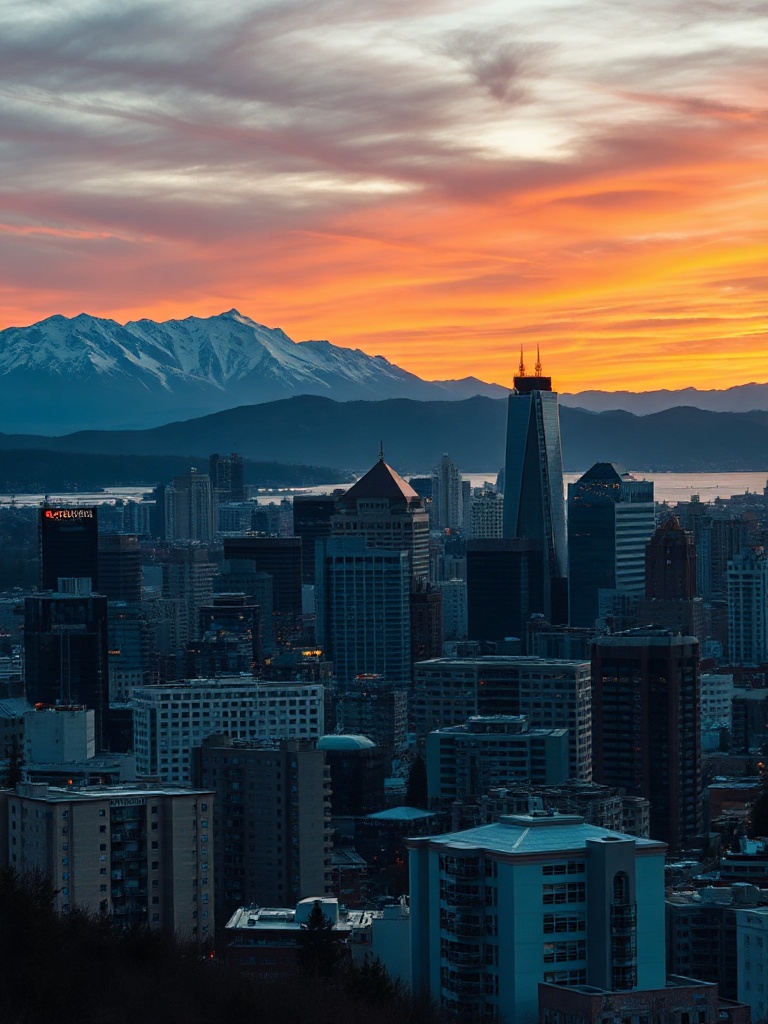
Why Tacoma stands out
Tacoma strikes a balance between urban amenities and natural access. It appeals to people who want strong cultural offerings, outdoor options, and a relaxed pace without sacrificing proximity to metropolitan job centers. Whether visiting for a weekend or scouting neighborhoods to call home, Tacoma rewards curiosity with unexpected finds around every corner.
Leave a Reply