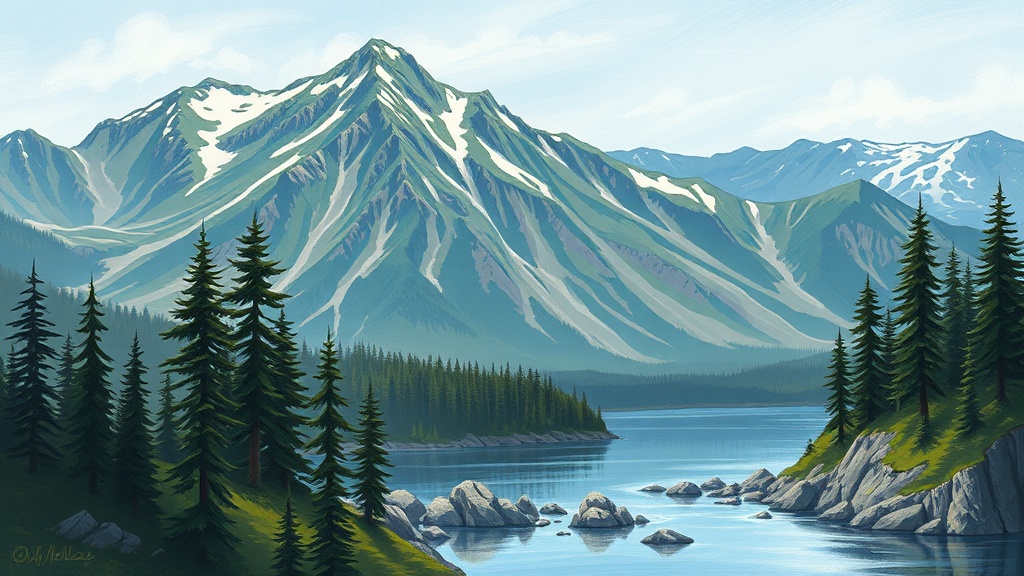
The Pacific Northwest blends rugged coastlines, temperate rainforests, volcanic peaks, and dynamic cities—making it a top destination for outdoor lovers, food fans, and anyone who appreciates dramatic landscapes. Whether you’re planning a weekend getaway or looking to deepen your local routine, here’s how to experience the region thoughtfully and safely.
Plan around the weather and seasons
The PNW is known for microclimates. Mountains can hold snow long after lowland trails dry out, while coastal areas stay cooler and foggier. Check mountain and coastal forecasts before you go, and review trail conditions with local land managers. For coastal visits, consult tide charts to avoid getting trapped on beaches or exploring tidepools at unsafe times.
Gear smart, pack light
Layering is essential—think moisture-wicking base layers, an insulating mid-layer, and a waterproof shell. Sturdy, water-resistant footwear is a must for rainy trails and slippery shorelines. Pack a small first-aid kit, headlamp, map or offline GPS, reusable water bottle, and a compact emergency blanket. For multi-day trips, bring a reliable stove, bear-resistant food storage where required, and a lightweight shelter.
Health and air-quality awareness
Wildfire smoke can quickly degrade air quality across the region.
Check local air-quality indexes before heading out, and postpone strenuous outdoor activities if air quality is unhealthy. Carry N95 or equivalent masks for periods of poor air quality and stay hydrated—smoke can be dehydrating and make exertion harder.
Leave No Trace—and respect wildlife
Protect fragile ecosystems by sticking to marked trails and established campsites.
Pack out all trash, avoid picking native plants, and refrain from feeding wildlife. When encountering animals, give them plenty of space; a telephoto lens or zoom is better than getting close for a photo.
For marine life, follow posted guidelines at tidepools and shorelines to avoid disturbing habitat.
Explore both iconic and overlooked spots
While well-known destinations like volcanic peaks and major parks draw crowds, quieter alternatives provide solitude and discovery. Consider lesser-visited trails in national forests, community-managed beaches, and urban greenways that showcase the region’s biodiversity without the crowds. Urban neighborhoods in Seattle, Portland, and Vancouver offer vibrant food scenes, independent shops, and public art—great for low-impact exploration.
Support local communities and Indigenous stewardship
The PNW’s cultural landscape is rich with Indigenous history and contemporary communities. Seek out Indigenous-run tours, markets, and cultural centers to learn and contribute directly. Buying local—from farmers’ markets to independent cafes—helps sustainable businesses thrive and reduces your environmental footprint.
Safety and preparedness
Cell coverage can be spotty in remote areas; download offline maps and tell someone your plans. Learn basic navigation and how to read trail markers.
For coastal trips, be aware of rip currents and sudden weather shifts. If traveling to alpine areas, understand avalanche risk and consider taking a safety course.
Responsible recreation helps ensure the Pacific Northwest stays wild and welcoming. By planning smartly, packing appropriately, staying informed about air quality and trail conditions, and supporting local and Indigenous businesses, you can enjoy the region’s spectacular landscapes while preserving them for other visitors and future generations. Plan your next trip with respect, curiosity, and a commitment to leave places better than you found them.
Leave a Reply