Portland blends an unmistakable Pacific Northwest vibe with an urban creativity that keeps locals and visitors coming back. Rain or shine, the city delivers a mix of outdoor access, independent culture, and a food-and-drink scene that’s both innovative and approachable.
What gives Portland its character
Portland is built around neighborhoods with strong local identities—each offers a mix of coffee shops, independent bookstores, galleries, and small businesses. The Willamette River divides east and west, with waterfront parks, pedestrian bridges, and riverfront trails that make walking and biking part of daily life. The city’s commitment to green space and an urban growth boundary helps protect surrounding farms and forests while keeping the skyline human scale.
Outdoor escapes within reach
One of Portland’s biggest advantages is proximity to nature.
Forest Park presents miles of trails right inside the city limits for hiking and trail running. A short drive brings you to the Columbia River Gorge, where waterfalls and dramatic river views make for easy day trips.
For a gentler outing, the harbor and waterfront parks are ideal for picnics, paddleboarding, or watching summer festivals.
A celebrated food and drink culture
The food scene ranges from legendary food cart pods to upscale seasonal dining. Portland chefs emphasize local produce, seafood from the nearby coast, and creative vegetarian options. Coffee is a way of life here—neighborhood roasters and independent cafés showcase the city’s third-wave approach. Craft beer and cider scenes remain strong, with breweries and taprooms across neighborhoods offering everything from hazy IPAs to barrel-aged saisons.
Getting around
Portland’s transit network, bike infrastructure, and walkable neighborhoods make it easy to explore without a car. Extensive bike lanes and several car-free crossings encourage cycling as a reliable commute option. Public transit options serve many parts of the region, and a compact downtown means lots of destinations are within walking distance. Micro-mobility options like e-bikes and scooters are common for short trips.
Community and challenges
The city balances dynamism with shared challenges. Housing affordability and homelessness are significant local concerns that community groups, city planners, and nonprofits continue to address through policy, development, and services.
Small businesses and creative industries remain central to Portland’s identity, and local support—shopping neighborhood shops, dining at independents, and attending community markets—has a meaningful impact.
Practical tips for experiencing Portland
– Start with a neighborhood: Explore a single district by walking its main streets to find cafés, galleries, and shops.
– Pack for changing weather: Layering makes outdoor plans more comfortable.
– Visit a market: Farmers markets and artisan fairs are great ways to sample local food and crafts.
– Use a bike or transit for short trips: It’s often faster and more pleasant than driving downtown.
– Reserve popular restaurants: Many small spots fill up quickly, especially on weekends.
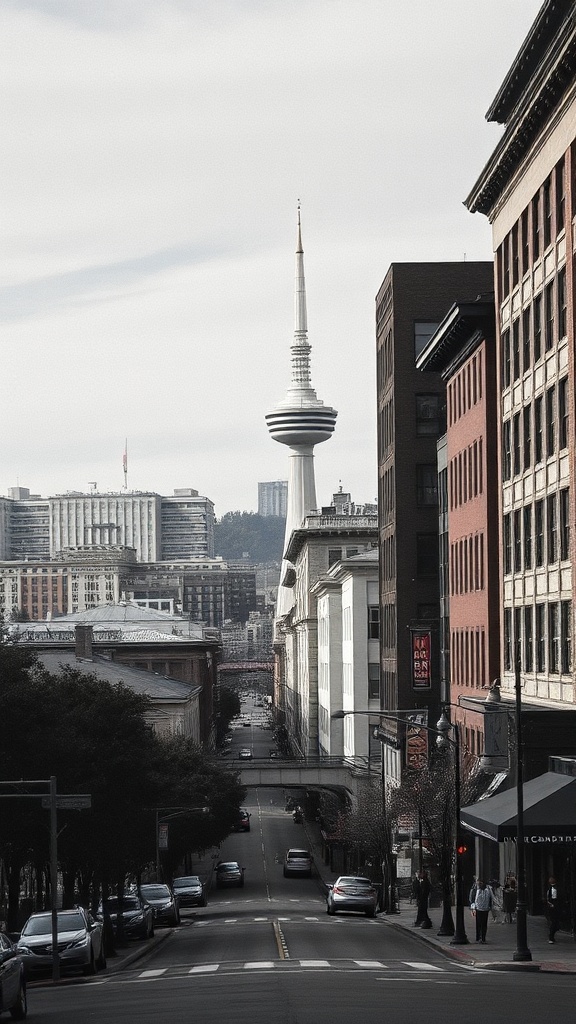
Portland’s mix of accessible nature, creative food culture, and neighborhood-driven commerce keeps it fresh while staying grounded. Whether you’re seeking an easy outdoor escape, a memorable meal at a tiny restaurant, or time spent exploring independent shops and parks, the city offers a layered experience that rewards slow discovery.
Leave a Reply