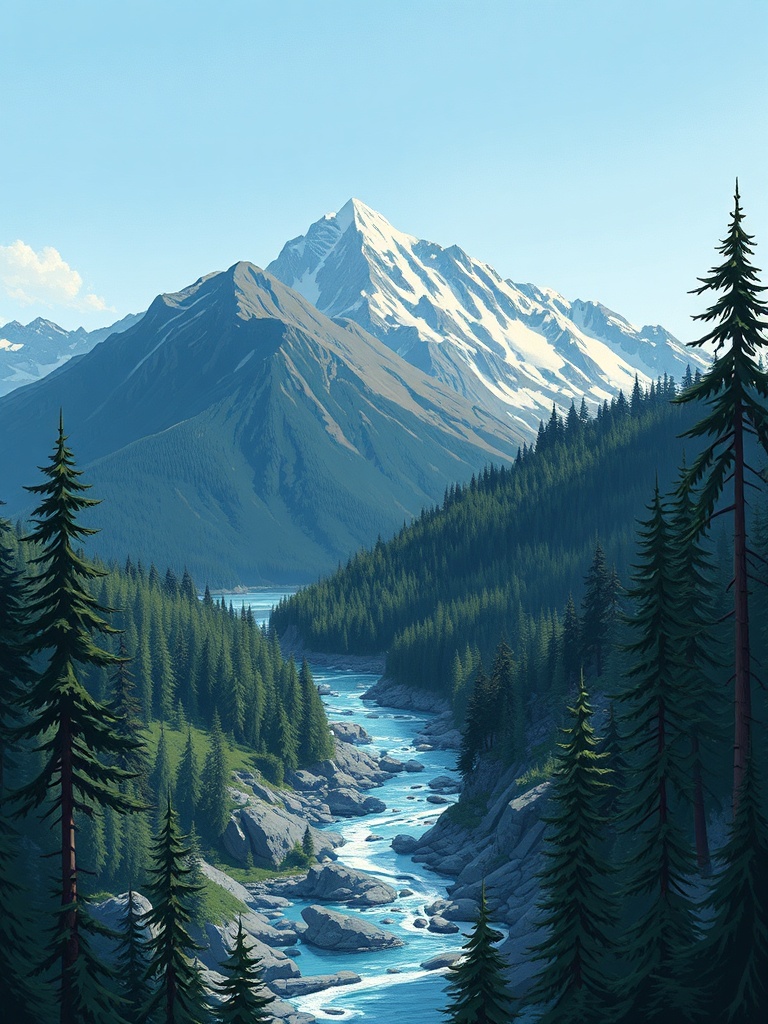
The Pacific Northwest is a region defined by dramatic landscapes and a deep connection between people and nature. From coastal estuaries and rainforests to urban corridors and volcanic peaks, communities across the region are adapting to environmental change while protecting the ecosystems that make this place unique.
Key challenges shaping regional priorities
– Wildfire and forest health: Warmer, drier seasons and decades of fire suppression have changed how forests burn. Land managers are increasingly using prescribed fire, thinning, and targeted restoration to reduce catastrophic wildfire risk while improving habitat diversity.
– Salmon and aquatic ecosystems: Salmon runs face habitat loss, warming streams, and blocked migration routes. Restoration of riparian zones, removal or modification of obstructive culverts and dams, and improved water management are central strategies to support recovery.
– Coastal resilience: Sea-level rise, stronger storms, and shoreline erosion pressure coastal communities and infrastructure. Nature-based solutions—like restoring salt marshes and estuaries—are favored for providing protection while supporting fisheries and biodiversity.
– Urban adaptation: Cities are investing in green infrastructure (rain gardens, permeable pavements, urban forests) to manage stormwater, cool neighborhoods, and enhance quality of life. Transit-oriented development and renewable energy uptake aim to reduce emissions while supporting growth.
Indigenous stewardship at the center
Across the region, Indigenous nations are asserting leadership in land and water stewardship. Traditional ecological knowledge informs practices such as seasonal burning, selective harvesting, and habitat stewardship that maintain biodiversity and resilience. Supporting Indigenous-led initiatives and honoring treaty rights are essential to long-term ecological and social outcomes.
Practical actions for residents
– Reduce wildfire risk: Create defensible space around homes by managing fuels and using fire-resistant landscaping. Follow local guidance for evacuation plans and air quality preparedness.
– Restore native habitat: Replace lawns with native plants, restore streamside buffers where possible, and support local habitat restoration projects that improve water quality and wildlife habitat.
– Prepare for coastal impacts: Shoreline property owners can use softer-engineering approaches—like planting marsh grasses—to reduce erosion and maintain habitat. Stay informed about local planning and buyouts if living in high-risk zones.
– Support salmon recovery: Volunteer for stream cleanups, participate in community science fish counts, and advocate for barrier removal and improved water flows.
– Reduce urban heat and floods: Plant trees, install rain gardens, and support municipal green stormwater projects to cool streets and reduce pressure on drainage systems.
– Plan for geologic hazards: The Cascadia Subduction Zone and regional faults mean earthquake readiness is important—secure heavy furniture, prepare emergency kits, and know evacuation routes.
Community and policy levers
Local governments, utilities, and regional coalitions are key to scaling solutions. Policies that incentivize green infrastructure, fund habitat restoration, and integrate climate risk into planning can unlock broader benefits.
Public-private partnerships and philanthropic support often help pilot innovative approaches that later expand.
A resilient outlook
The Pacific Northwest’s future depends on blending science, traditional knowledge, and community action. By prioritizing ecosystem-based approaches, strengthening local preparedness, and investing in equitable solutions, communities can protect the places and species that define the region while creating healthier, more resilient neighborhoods for everyone.
Leave a Reply