Portland’s urban forest is more than an aesthetic asset — it’s a living infrastructure that cools neighborhoods, manages stormwater, improves air quality, and supports wildlife.
Awareness of tree canopy value has grown among residents and city planners, sparking community-driven planting campaigns and policy shifts that prioritize equitable canopy cover across neighborhoods.
Why trees matter in the city
Street trees and backyard canopy reduce summer heat through shade and evapotranspiration, lowering energy bills and improving comfort for pedestrians. Tree roots slow and filter stormwater, easing pressure on combined sewer systems and helping to keep the Willamette River cleaner.
Trees also capture airborne particles, reduce noise, and contribute to mental well-being by softening urban landscapes and creating calmer public spaces.
Property values and business districts benefit when mature, healthy trees line sidewalks and boulevards.
Community action and city programs
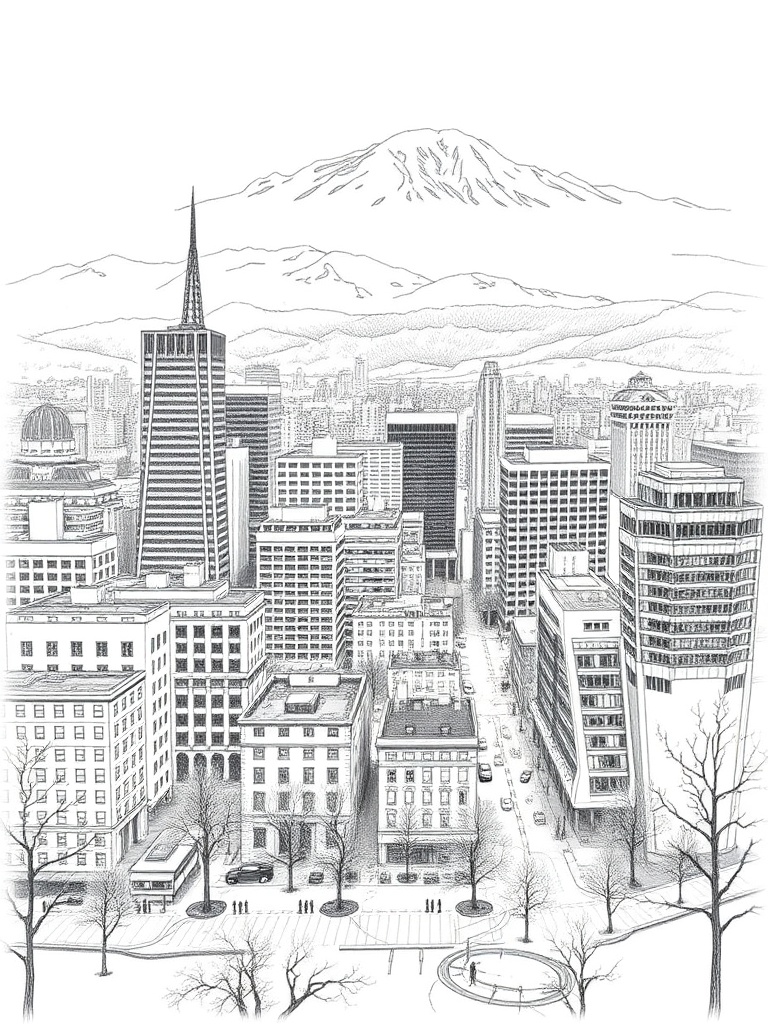
Local nonprofits partner with the city to expand canopy where it’s needed most. Volunteer-driven planting events, neighborhood outreach, and subsidized tree programs have made it easier for households to add trees to their yards and street strips. Portland Parks & Recreation’s Urban Forestry and regional conservation groups provide technical guidance on species selection, planting locations, and long-term tree care, while civic initiatives are focusing efforts on neighborhoods that historically have had less canopy cover.
Choosing the right tree and placement
Selecting species that suit urban conditions and that are appropriate for specific planting sites is essential.
Native species such as Oregon white oak, bigleaf maple, and Pacific madrone can offer ecological benefits, but street-tree lists also include non-native species selected for resilience in paved environments. Consider mature height and root patterns when planting near sidewalks, septic systems, or utilities. For narrow planting strips, smaller ornamental trees or columnar varieties help avoid conflicts with sidewalks and overhead wires.
Planting and care basics
Successful tree establishment requires more than digging a hole and setting a sapling in the ground. Key practices include:
– Proper planting depth: the root flare should be visible at the soil surface.
– Mulching: a few inches of mulch, kept away from the trunk, helps retain moisture and suppress weeds.
– Watering: consistent deep watering during the first few years supports root development, especially during dry summers.
– Pruning: annual inspection and formative pruning prevent structural problems and reduce future maintenance costs.
– Protection: stakes, guards, or cages may be needed against lawn equipment or pets, but should be removed once the tree can stand on its own.
How to get involved
Neighborhood tree plantings, volunteer maintenance days, and stewardship programs are a regular part of Portland life. Joining a local nonprofit planting event is an easy way to contribute hands-on; many organizations also offer discounts on trees or plant-and-care services for residents. For property owners, consulting Urban Forestry experts or local nurseries before purchasing reduces the risk of planting mistakes.
Equity and long-term resilience
Efforts to expand canopy now emphasize equity — targeting historically underserved areas for planting and maintenance — and resilience, by selecting species that tolerate heat, drought, and urban stressors. A coordinated approach involving residents, businesses, nonprofits, and city agencies will help ensure the urban forest continues to deliver environmental, social, and economic benefits across all Portland neighborhoods.
Whether planting a single yard tree or joining a blockwide effort, every new tree contributes to a cooler, healthier, and more livable city.
Leave a Reply